

-
Working, Labor, Economy
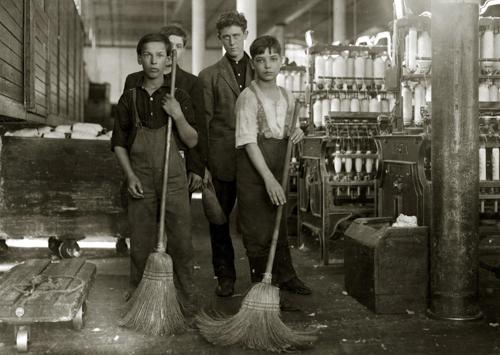
Today, most Americans have a pretty narrow definition of the labor movement and what it means to be working class. If you ask, they might mention steelworkers, miners, and construction workers, which implicitly presumes that only white men (generally assumed to be conservative) were and are the only ones to be found in the country’s blue-collar jobs and trade unions. Studs certainly talked to his share of steelworkers and miners. He even interviewed truckers, like Paul Dietsch, who had no interest in joining unions, disdained government regulations, and loved open roads as much as free enterprise.
-
Poetry
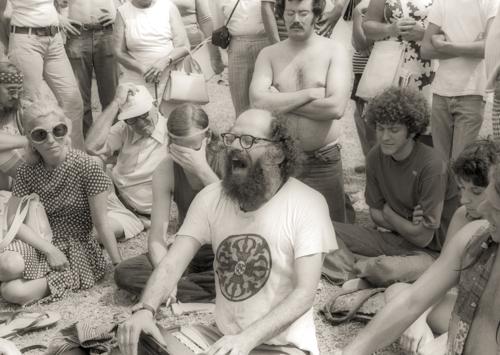
Listening to Studs Terkel interview a poet is to realize that the power and music of poetry occupy a special place in the range of Terkel’s intellectual and emotional interests. He listens with great relish as poets read their poems, occasionally joining in the recitation, and reacts to the work with a rare combination of wonder and insight.
-

Community Activism & Social Reform
One of the remarkable distinctions of Studs’ interviews with activists struggling for social justice is his deep curiosity and empathic sensitivity to the personal dimensions of their experiences. This sensibility is memorably evident in his long roundtable discussion with the young African American freedom fighters of the Student Non-violent Coordinating Committee (SNCC).
-
Theater
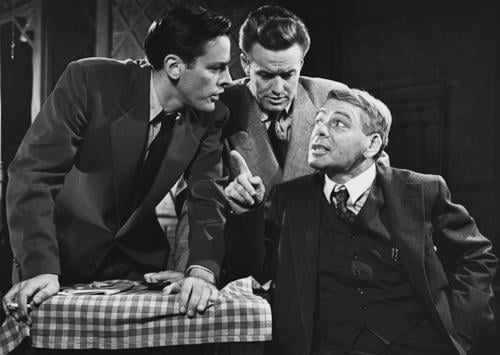
Terkel was a much a person of the theater as he was a journalist, having started his career performing in radio drama including with the great Richard Durham’s Destination Freedom series in the 1940s so it is little surprise that he adored talking with actors, directors, and playwrights.
-
Vietnam War
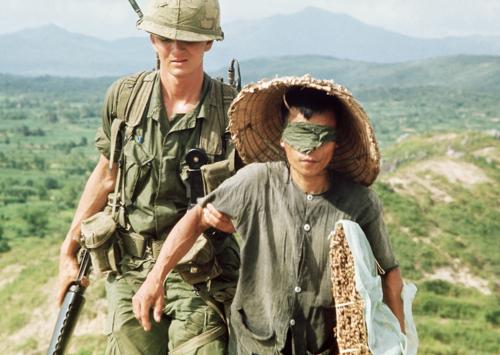
The war in Vietnam loomed large in Terkel's radio program in the 1960s and 70s and he devoted dozens of programs to insightful conversations with many of the key figures who shaped the debate about the war.
-
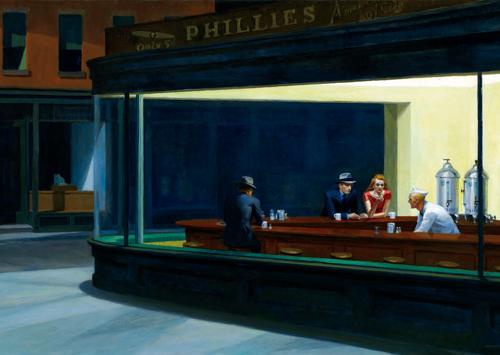
Visual Arts
Studs Terkel’s interest in the visual arts is best embodied in a famous program he created in 1967 to mark the occasion of a new public sculpture by Picasso in the heart of Chicago.
-
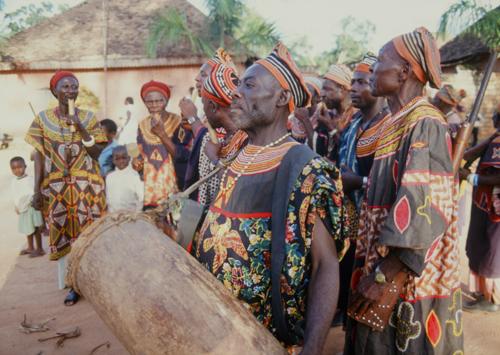
Music - World Music
Long before “world music” was even a recognized category Studs Terkel had an immense appetite for music from all continents.
-

World War II
Terkel's Pulitzer Prize-winning oral history book The Good War (1984) is a cornerstone of his extensive exploration of the Second World War.
-
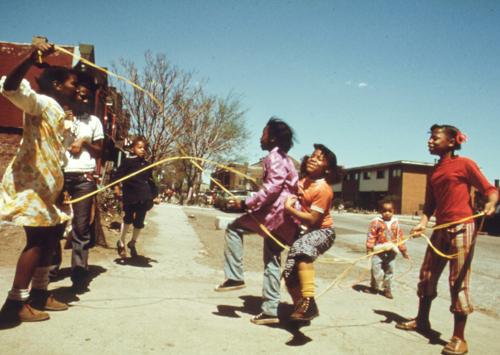
Childhood & Youth
Terkel had an abiding curiosity to hear the ideas of younger generations, not only about their own lives and tastes but also about the biggest social and philosophical issues.
-
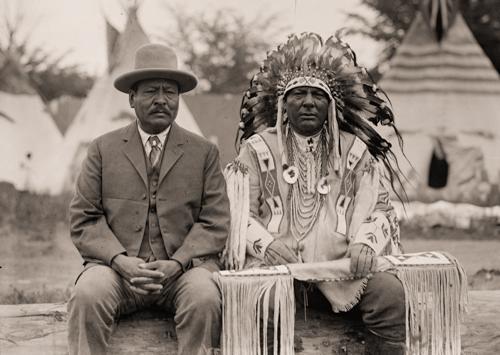
Anthropology & Sociology
The spirit of critical inquiry and curiosity about how human society is organized pervades Terkel’s radio archive and many of the conversations take an anthropological and sociological approach to understand our world.