

-

Education
The education topic is full of deep discussions with teachers and students as well as school administrators and people who studied the history of education or advocated for policy changes.
-
Environment, Ecology
David Attenborough, Jacques Cousteau, Jane Goodall, Barry Lopez are just a handful of the great communicators about the environment who appeared on Studs Terkel's show and articulated visions for a more delicate balance between human society and the planet as a whole.
-
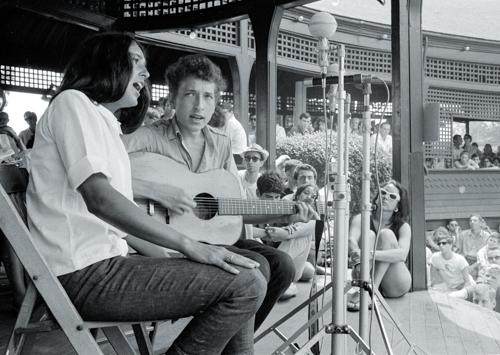
Music - Folk Music
Terkel had a deep love of folk music (his tributes to Woody Guthrie are especially inspired) and interviews in this topic include Joan Baez, Judy Collins, Bob Dylan, Steve Goodman, Janis Joplin, Odetta, John Prine, Buffy St. Marie, John Jacob Niles, Jean Redpath, Pete Seeger, Doc Watson and many dozens more.
-
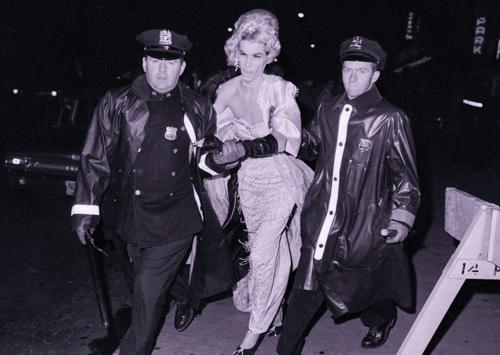
LGBTQ Culture & Rights
Among the eminent broadcast journalists of his generation, Studs Terkel may well stand alone in his consistent compassion for lesbian and gay people and curiosity about their lives. During the forty-six years that his program ran on WFMT radio, there was no Ellen Degeneres, no Anderson Cooper, and no Laverne Cox. Yet Terkel interviewed numerous gay activists, artists, and writers—and the arc of those these broadcasts, between the early 1960s and the early 1980s, offers a powerfully compelling portrait in sound of the emergence of gay visibility in America.
-
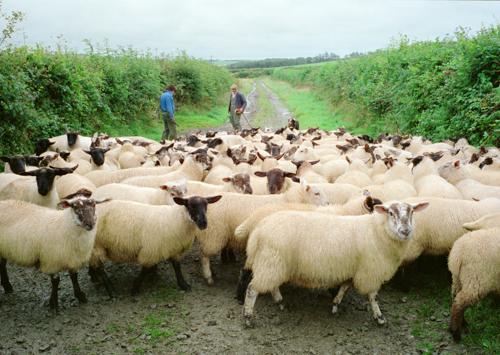
Travel & Culture - United Kingdom
The many ways that British and American societies have inspired and influenced one another in the 20th century was a topic that Studs Terkel explored with great gusto and curiosity.
-
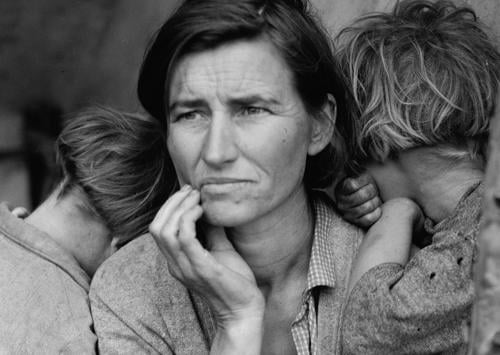
Great Depression
Terkel's celebrated 1970 book 'Hard Times: An Oral History of the Great Depression' represents a pinnacle of documentation of what it meant to live through the most severe economic disaster of the 20th century in America.
-
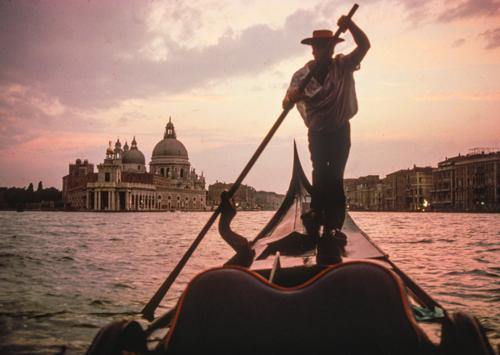
Travel & Culture - Italy
Terkel understood Italy as few foreigners have and when he first traveled there in 1962 to collect his Prix Italia prize for the celebrated radio documentary Born To Live.
-

Literature
One of the most profound categories of the Terkel archive is the collection of conversations with novelists and short story writers.
-
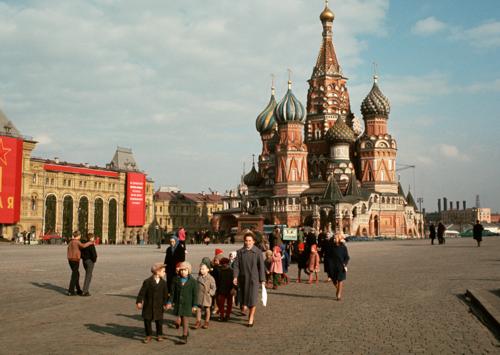
Travel & Culture - Russia
It is all too easy now to dismiss what a profound enigma and anxiety the Soviet Union was for ordinary Americans from the 1950s to the 1990s.
-

Science & Science Writers
"The scientist just like the artist is filled with leaps of the imagination, it is not a pedestrian kind of discovery the scientist makes... speak of the unity of hidden likenesses..." so begins Terkel's interview (paraphrasing Coleridge) with science historian Jacob Bronowski in 1962.