-
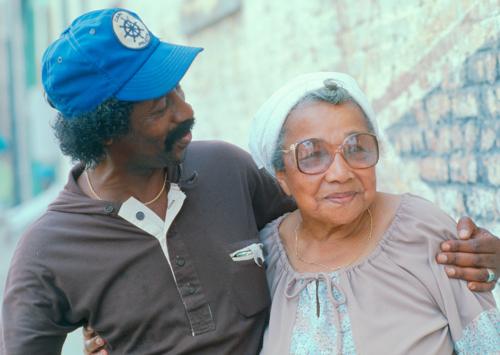
Elderly & Elderly Care
How our society treats people as they age is a topic that concerned Studs throughout his career, in particular, the passing along of experience and knowledge from prior generations.
-

Journalism & Broadcasting
“I wanted to write.” This comment, from a 1966 interview with Chicago theater critic Claudia Cassidy, sums up the life motivations of so many of the women journalists and broadcasters who spoke with Studs Terkel about their life and work, and sometimes about the challenges of being a woman in what was still very much a man’s world.
-

Law, Crime, Prison
The legal systems of the United States and other countries were zestfully interrogated on Studs Terkel’s radio show.
-
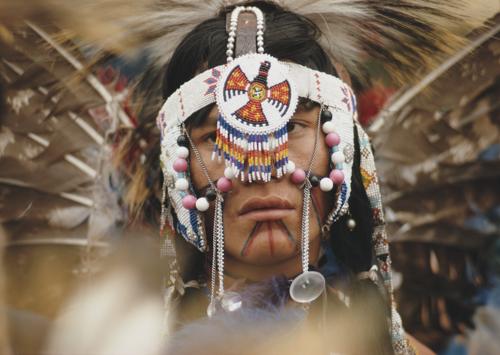
Native American History & Culture
Many of the great figures in Native American culture and activism appeared on Studs Terkel’s radio show, from writers such as Louise Erdrich, N. Scott Momaday, and Simon Ortiz, to musicians such as Buffy Sainte-Marie, to activists and scholars like Roger Buffalohead and Vine Deloria.
-
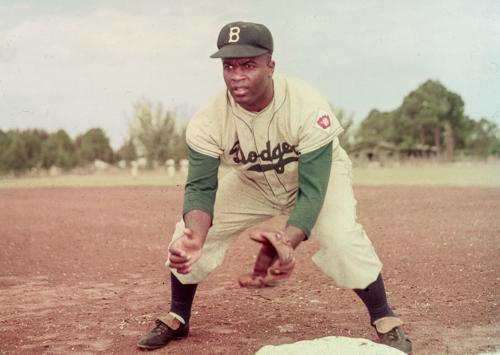
Sports and Sports Writers
Terkel’s interest in sports was skewed heavily in favor of one sport: baseball.
-
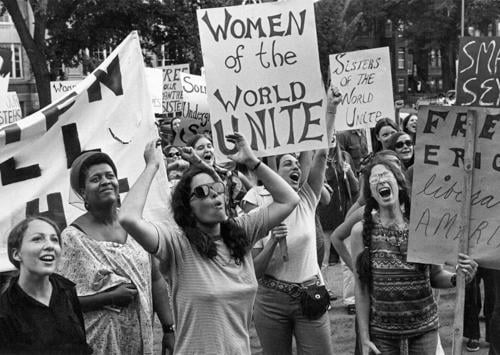
Feminism, Women, Women's Studies
The struggle for women to achieve social equality was one of the great revolutions of the 20th century (a struggle that continues well into the 21st century) and Studs Terkel’s daily radio show featured many of the leading advocates of feminism and women’s rights.
-
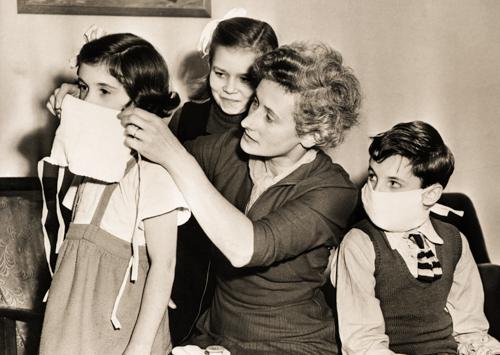
Healthcare, Medicine, Mental Health
Studs Terkel’s daily radio show was, among other things, a kind of public service through which new and evolving ideas about mental and physical health issues were discussed with candor and a lack of sensationalism.
-

Latino Culture & History
Living in Chicago, a city that underwent a tremendous transformation over the second half of the 20th century to become a major center of Latin American culture, Terkel engaged with many of the leading figures of Latino artistic and social movements.
-

Multidisciplinary Arts
Always defying simple categories and genres, Studs Terkel interviewed many artists who didn't fit into society's patterns.
-