

-

Studs Terkel continues his interview with Erich Luth in Hamburg discussing the aftermath of the war on Germany's youth ; part 3
1967 There is a silence in the tape from 3:48 to 3:58 due to Studs changing the tape. It should be noted that the word "clever" in this discussion means intelligent. The interview concludes at 35:36 where Studs offers his reflections on his stay. Luth is the retired Press Chief of Hamburg and has also helped with remunerations for the Jewish people in the aftermath of World War II. He has also facilitated detente between Israel and West Germany.
-

Studs Terkel talks with Erich Lüth on his first hand experiences living in Hamburg through the rise and fall of Hitler ; part 1
1968 Erich Lüth discusses his experiences, observations, and accounts of life in Hamburg, Germany during the rise and fall of Hitler. He recounts how as a member of Parliament he brought in Hitler's, "Mein Kampf" and read portions aloud and was laughed at by his colleagues. He states they were blind to what Hitler declared in his book he would do and some are still blind by wanting to rub out their past, their history.
-

Erich Lüth talks with Studs Terkel on life under Hitler and its aftermath ; part 2
1968 Studs continues his interview with Erich Luth in Hamburg, Germany. The audio breaks at 25:23 and continues on a Sat at 25:28 till its conclusion at 35:43. Erich Luth conveys stories of humanity by both German prisoners towards Russian prisoners whose treatment was dictated by the Nazi party to not offer any winter clothing or shoes to provide comfort. The German laborers provided a human solidarity that brought them food, clothes, and soap.
-

Interview with Erich Lüth ; part 3
1968 Interviewing Erich Lüth while Studs was in Germany.
-

Studs Terkel concludes his interview with Erich Lüth going more in depth on the aftermath of the war on Germany's youth ; part 4
1968 Erich Lüth's discussion with Studs Terkel is similar to part 3 but Luth offers a more in-depth conversation on the role of teachers in schools and how the time of Hitler is taught. There were those teachers that joined the party to continue their love of teaching and those teachers that were brought into the Nazi Party to follow their convictions. This lack of courage to resist influences pupils today because teachers are not saying they were cowards. The relationship is altered out of shame, and embarrassment.
-
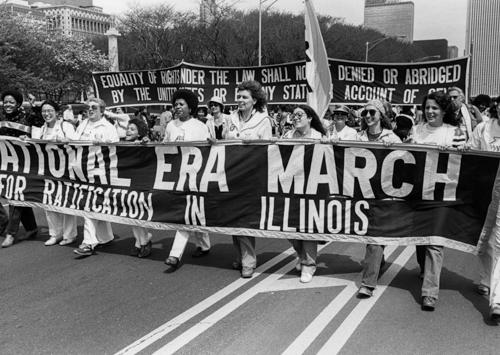
Marianne Bell, Shirley Wallace and Illinois Rep. Susan Catania discuss the Equal Rights Amendment
Jun. 2, 1982 Interviewing Equal Rights Amendment activists, Marianne Bell and Shirley Wallace, who were fasting as a political statement, and Illinois state representative and outspoken advocate of ERA, Susan Cantania.
-
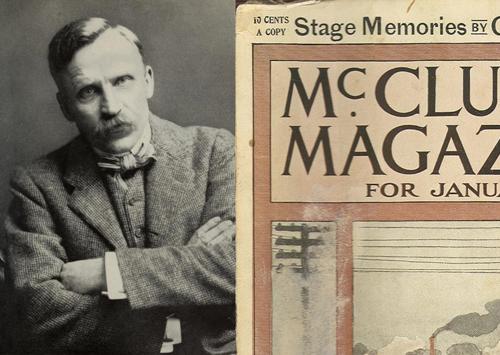
Peter Lyon discusses the book "Success Story: The Life and Times of S. S. McClure"
Aug. 1, 1967 Peter Lyon discusses the book "Success Story: The Life and Times of S. S. McClure." Includes recitation of "Immortality" by William Jennings Bryan.
-
Excerpts from the Division Street recordings Oral Histories, regarding race, religion and humanity
1970 Studs presents excerpts from the Division Street recordings, regarding race, religion and humanity.
-
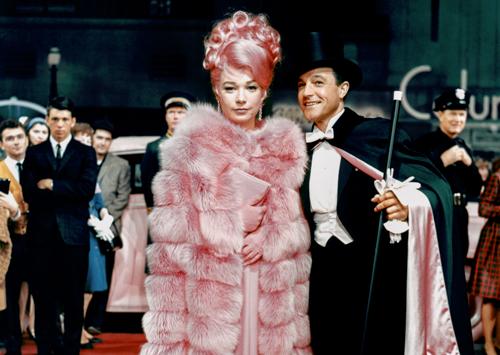
Shirley MacLaine discusses her travels to China
Mar. 28, 1975 Shirley MacLaine discusses her travels to China. Includes passages from her book "You Can Get There From Here." Includes Chinese children chanting. Includes a clip from an interview with Dr. Joshua Horn.
-
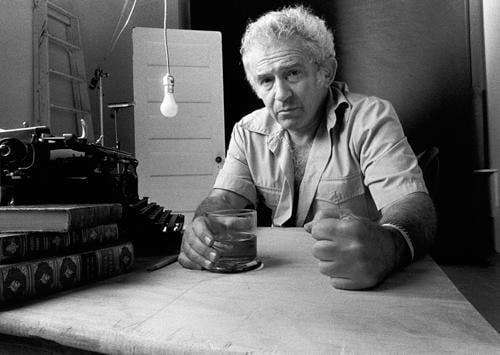
Norman Mailer discusses his writing, literature, and American life
Mar. 17, 1960 Norman Mailer discusses his writing, literary criticism, and American life. Other topics of conversation include Mailer’s thoughts on “affirmative” literary works, apathy and a lack of passion in modern life, beat writers and their reception in the United States, and many of his contemporary writers.