Listen to New Voices on Studs Terkel our partnership with 826CHI-here! Read the Story


Showing 1 - 10 of 73 results
-

Carl Sagan and Ann Druyan discuss their book "Shadows of Forgotten Ancestors"
Oct. 5, 1992 Evolution and the future of the human race are among topics in Carl Sagan's and Ann Druyan's book, "Shadows of Forgotten Ancestors: A Search for Who We Are." Included is an excerpt of the astronomer Harlow Shapley speaking at the beginning. Carl Sagan also reads an excerpt from the book at the end.
-

David Scherman discusses “The Best of Life,” a book he edited
Oct. 12, 1973 Photographer David Scherman talks with Studs Terkel about the stories that photos can tell, famous photographers, and the book “The Best of Life,” which Scherman edited. A recording of the song “Brother, Can You Spare a Dime?” by the Weavers is played.
-
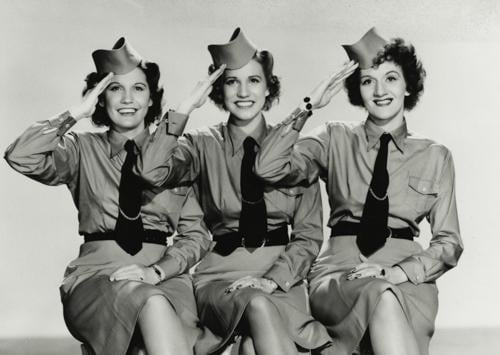
Terkel interviews Maxene Andrews of The Andrews Sisters
Aug. 23, 1982 Maxene Andrews reminisces over Andrews Sisters songs with Studs Terkel. She acknowledges the heavy influence the Boswell Sisters played in the creation of their image. She relays musical stories surrounding songs in Abbott and Costello such as "Bugle Boy" from their movie "Buck Privates". How they found the song "Mir Bist Du Schon" and Sammy Cahn and Saul Chaplin helped with the lyrics. How song pluggers brought The Andrews Sisters "Tip-Pi-Tin". How "Apple Blossom Time" helped an injured soldier at Oak Knoll Hospital upon his return to the states.
-
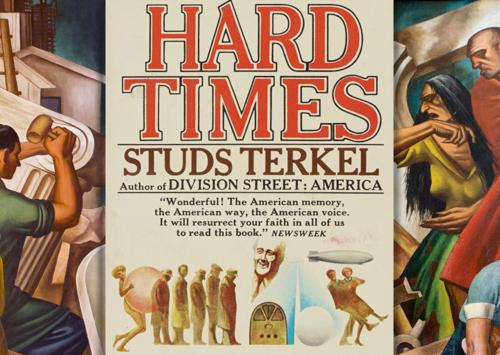
Inteviewees discuss a variety of topics from the Hard Times: an Oral History of the Great Depression program; excerpts part 3
Excerpts from different episodes of "Hard Times: an Oral History of the Great Depression". Concerning The New Deal: Ed Paulsen talks about conflicting feelings regarding the New Deal and how the government seemed more present in daily life. Gardner C. Means explains how the New Deal was created to help save the country. Joe Marcus remembers feeling like his ideas were valued and were making a difference in his government job. John Beecher talks about working in the transient camps.
-
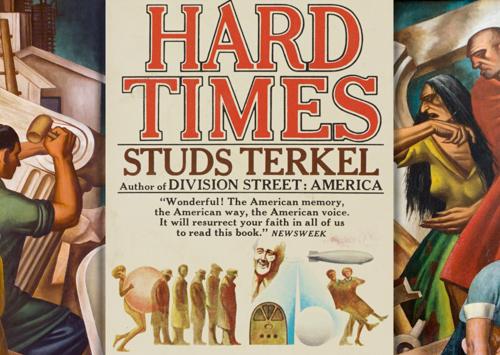
Inteviewees discuss a variety of topics from the Hard Times: an Oral History of the Great Depression program; excerpts part 1
Excerpts from different episodes of "Hard Times: an Oral History of the Great Depression". A Fairy Tale: Montage of young voices that talk about their parents' stories of surviving the Depression. The March: Jimmy Sheridan talks about what life was like on the rails as part of the Bonus March. Born Losers: Ed Paulsen discusses trying to find work in San Francisco and upon failing, marching to City Hall, which then led to rioting with the police. Hard Travelin': Pauline Kael remembers her mother feeding beggars that came to the back door.
-
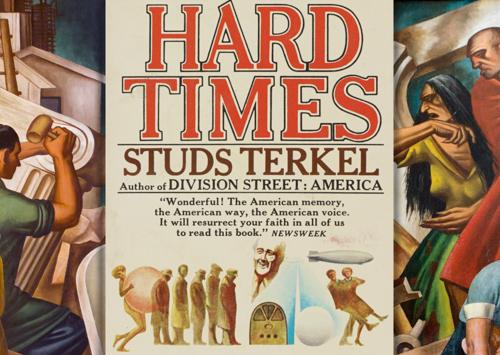
Inteviewees discuss a variety of topics from the Hard Times: an Oral History of the Great Depression program; excerpts part 2
Excerpts from different episodes of "Hard Times: an Oral History of the Great Depression". Bonnie Laboring Boy: Joe Morrison talks about generational differences in laborers. Evelyn Finn talks about trying to unionize at clothing factories. Two Strikes: Jose Yglesias talks about strikes in cigar factories and the lifelong stigmas of strikebreakers. Bob Stinson discusses working at General Motors and the sit-down strike. The Farmer is the Man: Oscar Heline explains farmer's actions in response to farm foreclosures.
-
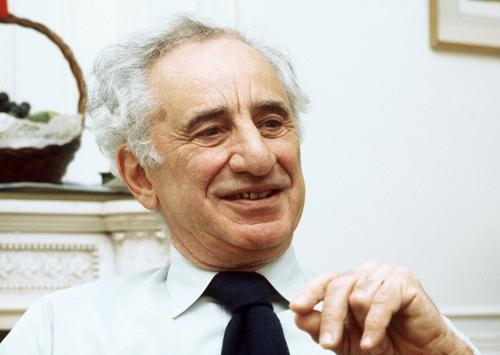
Discussing "The Understudy" and interviewing Elia Kazan
Jan. 3, 1975 Discussing "The Understudy : a Novel" and interviewing Elia Kazan.
-

Discussing Cole Porter's work and the book "Cole" and interviewing its author Robert Kimball
1970 Cole Porter biographer Robert Kimball talks with Studs about his book "Cole" and his subject's life and work as they listen to classic performances of some of his most beloved songs. They marvel at how Porter perfectly captured the zeitgeist of the times in his lyrics, his lyrical influences, his unique method of outside-in composing lyrics and music simultaneously, Bobby Short's masterful interpretations, controversies over some of his works, and how well his material holds up.
-
Interview with Arthur Miller
1970 Interviewing Arthur Miller.
-
Interview with Will Paynter
Sep. 17, 1970 Discussing British depression with Will Paynter at Speakers Corner, Hyde Park (part 1) while Studs was in England.