Listen to New Voices on Studs Terkel our partnership with 826CHI-here! Read the Story


Showing 21 - 29 of 29 results
-
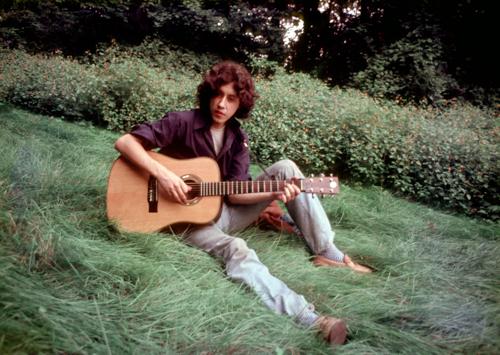
Arlo Guthrie discusses his music and influences
Jan. 23, 1971 In this interview with Terkel, folk singer-songwriter Arlo Guthrie talks about what influences his songwriting and the new definition of folk music. They touch on the shared experience of humanity, the role of the entertainer in society, and the older generation’s contributions to society. Guthrie expresses a desire to create a music “carnival” where performers and audience members both participate together. Guthrie also discusses how he began playing the banjo, and Studs comments on how Arlo has grown as a musician since his father's, Woody Guthrie, death.
-

Discussing jazz music with cabaret performer and jazz vocalist Spider Saloff
May. 14, 1997 Discussing jazz music with jazz vocalist and cabaret performer Spider Saloff. Spider Saloff discusses George and Ira Gershwin. Songs removed due to copyright.
-
-
-
Presenting a musical performance of Utah Phillips
May. 7, 1986 Terkel comments and presents a musical performance of Utah Phillips
-
-
-
Studs Terkel reflects on trip to People's Republic of China to describe Inner Mongolian music
Jun. 11, 1981 Studs Terkel travels to a Yurt shepherd's farm commune to hear the old song ballad of a Mongolian hero. It concerns a slave uprising from 200 years ago and shows the unity of the Mongolian people. Terkel compares this music to the Hungarian legacy before moving to the School of Story Telling and School of Music and Story Telling in the capital of Inner Mongolia, Hohhot. We are introduced to the four string hu that played Homeric ballads of drinking songs that could last four days.
-
Fleming Brown plays the banjo and discusses his career with Studs Terkel
Jan. 12, 1982 Fleming Brown, banjo player, discusses the influences Uncle Dave Macon, Pete Seeger, The Almanac Singers, and his teacher, Doc Hopkins had on him. He and Terkel also discuss the influence of WLS's Barn Dance radio show in Chicago and the Grand Ole Opry's WSM had on folk music. Fleming plays "Uncle Buddy" by Arthur Smith, to open and close the show. He also discusses the themes of Appalachian music such as lost love, mystery and murder, and plays examples for the audience.