Listen to New Voices on Studs Terkel our partnership with 826CHI-here! Read the Story


Showing 151 - 165 of 553 results
-

Lois Wheeler Snow discusses her book "China on Stage"
Dec. 19, 1972 The Peking Opera and "Taking Tiger Mountain by Strategy" are among topics discussed in Lois Wheeler Snow's book, "China on Stage: An American Actress in the People's Republic". While visiting China, Snow learned the Chinese plays were both of the traditionally old ways and of the new revolutionary ways. Snow also adds that performances of Chinese acrobatics is like nothing in the United States.
-
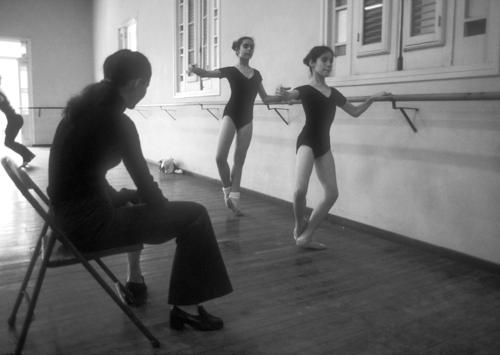
Linda Winer discusses Cuban dance, culture, and politics
Dec. 13, 1974 Art critic Linda Winer discusses her Chicago Tribune series on Cuba social culture and political conditions, especially in regards to dance companies. Studs plays a live version of "Guantanamera" - Pete Seeger (1963), "Canto Para Elegua" - Grupo Folklorico de Cuba, and “Canto a Wamba” - El Conjunto Experimental Santero.
-
Lillian Hellman in conversation with Studs Terkel
Jul. 2, 1984 Tribute to Lillian Hellman
-
Lillian Hellman discusses her book "Pentimento"
Dec. 29, 1973 American playwright, dramatist, and author Lillian Hellman discusses her book "Pentimento" and the individuals profiled within it.
-
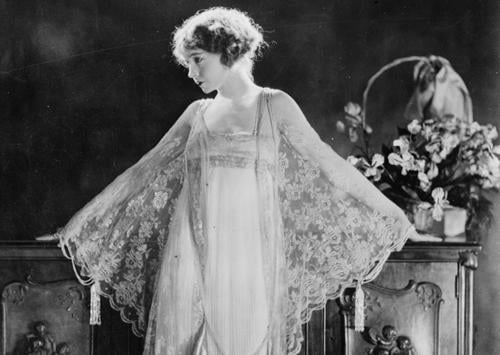
Lillian Gish discusses the play "Passage to India" and her career
Jan. 16, 1963 Actress Lillian Gish joins Studs Terkel to talk about her role in the play “Passage to India.” Gish connects the play based on a book by E. M. Forster to “Uncle Tom’s Cabin,” and discusses the relevance and importance of historical works like those mentioned. Studs asks Gish about working with D. W. Griffith, and the two praise Griffith’s impact on the world of film; Gish comments on her experience with working with Charles Laughton too.
-
Lila Kedrova discusses her background
Apr. 1, 1965 Although she came from a family with a musical background, Lila Kedrova went into acting. A friend of her father, Feodor Chaliapin, played a part in influencing Kedrova into performing. Kedrova said she's been acting since she was eight. After her role as Madame Hortense, Kedrova said she wanted to explore other types of roles.*Please note: some sections have been edited out from the original recording due to copyright considerations
-
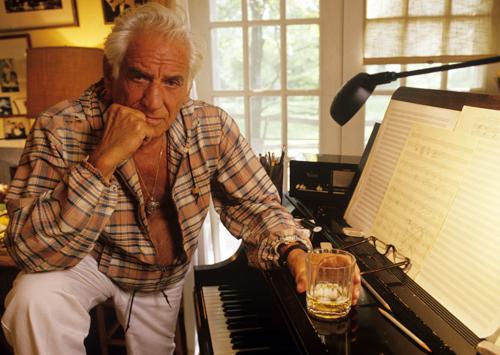
Leonard Bernstein discusses his career, music, and education
Feb. 1, 1985 Leonard Bernstein discusses his career as a composer along with his thoughts on American culture, musical theater, Black music, classical music, and education; music is played throughout the program including songs from Marc Blitzstein's play "The Cradle Will Rock."
-
Larry Arrick, Tom Earhart and James Patterson discuss their upcoming performance at the Playwrights Theater ; part 2
Dec. 14, 1961 Theater director Larry Arrick and actors Tom Earhart and James Patterson discuss the one-act play Zoo Story written by Tony award-winning playwright Edward Albee.
-
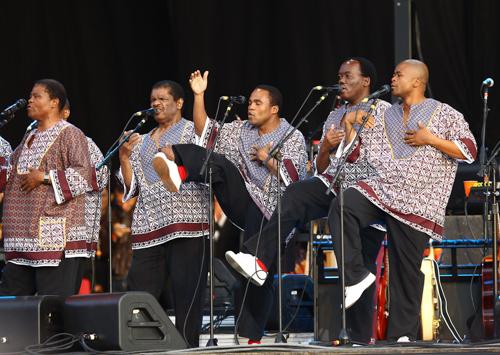
Ladysmith Black Mambazo discusses South African music and South Africa
May. 12, 1992 Ladysmith Black Mambazo discuss South African music and South Africa. Songs that have been removed include those from the play "The Son of Jacob Zulu." that was playing at Steppenwolf Theater. Includes a clip of an interview with the Chief of Durban.
-
Kaye Ballard talks with Studs Terkel
Aug. 3, 1960 Musical theater and television actress/comedienne Kaye Ballard discusses her role as Helen in the 1954 American opera The Golden Apple, musician and writer John La Touche, her family, her accompanist Arthur Siegel and their mutual love for the Peanuts comic strip, the parakeet sketch she wrote with Mel Brooks, her background in burlesque and vaudeville, and her comic and musical inspirations.
-
Julie Harris discusses the poetry of Emily Dickinson
Mar. 11, 1976 In preparation to play Emily Dickinson in, "The Belle of Amherst" Julie Harris read both the letters and the poems written by Dickinson. Harris said she had become fascinated by Dickinson's persona. This interview includes two excerpts: "Because I could not stop for Death," and "Before I got my eye put out."
-
Jules Feiffer discusses his cartoonist history and his play "Elliot Loves"
Apr. 12, 1990 Jules Feiffer and Studs read several of Feiffer's previous cartoons as they discuss his history as a cartoonist and his retrospective on display at the Walton Street Gallery in Chicago. Feiffer discusses his attempt to move away from political cartoons and instead shift focus to social commentary. Feiffer also discusses his play "Elliot Loves", a love story that captures the complications of love and the “gap” between the sexes.
-
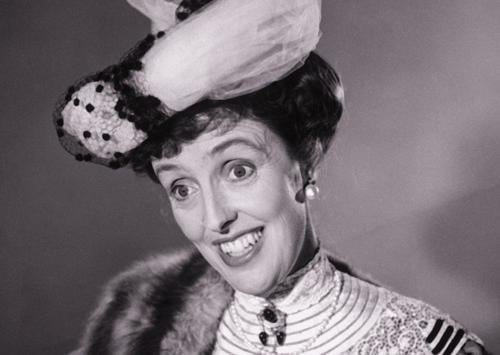
Joyce Grenfell discusses her career
1962 Joyce Grenfell discusses her career (and includes portion of interview with Clancy Sigal, which starts around 39:08).
-
Jonathan Miller discusses theater
1969 Terkel interviews Jonathan Miller about Shakespeare theater with some comparisons between American and English theater. They also talk a great deal about American drama, actors, and theater.
-
Jonathan Miller discusses Shakespeare
Jan. 12, 1970 Jonathan Miller discusses Shakespeare. Includes Feste's song "Hey, ho, the Wind and Rain" sung by Alfred Deller. Includes a clip from Jonathan Miller as Bertrand Russell.