Listen to New Voices on Studs Terkel our partnership with 826CHI-here! Read the Story


Showing 106 - 120 of 182 results
-

Interview with Bertrand Russell and Phyllis Evans Part 2
1962 Interviewing Bertrand Russell and Phyllis Evans while Studs was in England.
-
Ina May Gaskin, Norma Swenson in conversation with Studs Terkel
Jun. 18, 1992 Discussing the Chicago community of midwives and the book "The New Our Bodies, Ourselves: a Book By and For Women" (published by Simon & Schuster) with one of the book's authors Norma Swenson and midwife and author Ina May Gaskin.
-
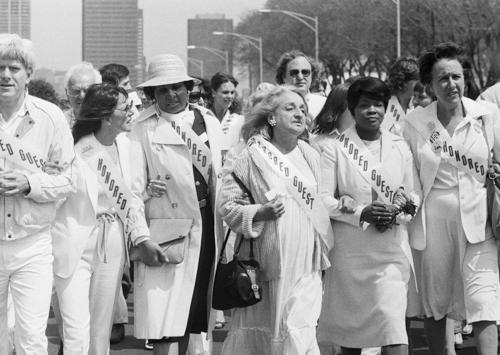
Illinois state representative Susan Catania, Clara Day and Marguerite Klimkowski discuss the Equal Rights Amendment (ERA)
Nov. 1, 1978 Discussing the Equal Rights Amendment with Illinois Representative Susan Catania and political activists Clara Day and Margaret Klimkowski.
-
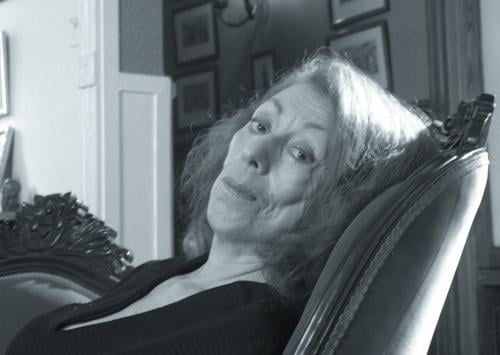
Hortense Calisher discusses her book "Queenie: A Novel"
May. 13, 1971 Hortense Calisher discusses and reads excerpts from “Queenie: A Novel,” a coming-of-age story about Queenie, a teenage girl raised an unorthodox household. Terkel and Calisher discuss reoccurring themes like the relationship between sex and property and the preservation of beauty as one ages. Calisher comments on her unique writing style, and Terkel praises her writing, calling it elegant and euphemistic. The two dance around certain topics and language deemed inappropriate for public broadcast, bringing up the issue of censorship.
-
Holly Near discusses her book "Fire in the Rain--Singer in the Storm: An Autobiography"
Aug. 20, 1990 Singer-songwriter and activist Holly Near discusses her work for fighting for social justice through outlets such as her music. Near a prominent proponent for the LGBTQ community has streamlined her work using folk and protest-inspired songs. Near has been awarded multiple honors from organizations such as the ACLU and the National Organization for Women for her work for social change.
-
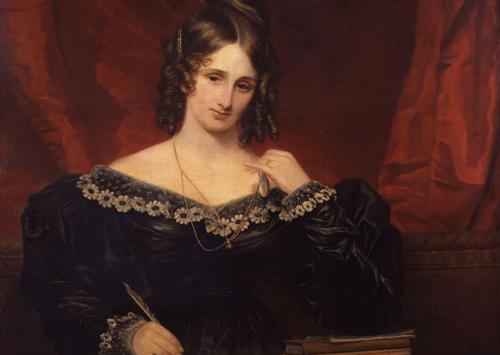
Henry Knepler discusses the role of women in American society
1969 According to Henry Kneplers book, " The Gilded Stage," back in the 1600's, highly regarded women were either actresses on the stage or they were aristocrats or nobility. Knepler said the role of primary grade school teachers were women. Currently, there's some discrimination going on, as Knepler pointed out that one never sees a male airline stewardess.
-
Helen Vlachos discusses her career and her book "House Arrest"
1970 In 1967, because Helen Vlachos spoke freely and called someone in the junta a clown, she was placed under house arrest. Artists took part in a type of silent resistance, as there was no new music, no new paintings, no new poems or writings that were created. Freedom isn't allowed, explained Vlachos, as people aren't allowed to use their own minds.
-
Grace Halsell discusses her books "Soul Sister" and "Bessie Yellowhair"
Dec. 21, 1973 With both books "Soul Sister" and "Bessie Yellowhair" , Grace Halsell shares her experiences when she posed as both a Black woman and a Navajo Indian. According to Halsell, the only differences between white and Black people, were the color of people's skin. Halsell also explained that it was psychologically harder to be play the part of a Navajo Indian being a servant to a white family.
-
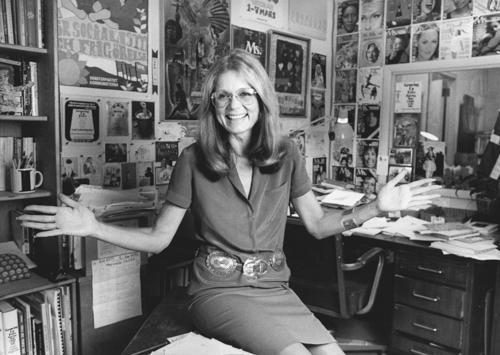
Gloria Steinem discusses the 10th anniversary of "Ms." magazine
Jun. 17, 1982 According to Gloria Steinem, "Ms." magazine is not only a national feminist magazine, but it's also a portable friend. A regular feature of the magazine is to celebrate found women, women who are not celebrities but who should be celebrated for what they do. This interview also includes an excerpt of Aunt Molly Jackson.
-
-
Gerda Lerner discusses her book "The Creation of Patriarchy"
Jun. 27, 1986 Austrian-born American historian, woman's history author and feminist Gerda Lerner focuses on the origins of misogyny in society in her latest book
-
-
Francine du Plessix Gray discusses her book “Soviet Women: Walking the Tightrope”
Mar. 8, 1990 Author Francine du Plessix Gray discusses and reads from her book “Soviet Women: Walking the Tightrope.” The discussion is heavily focused on the feminist movement in Russia as it compares to the 1960s feminist movement in the United Sates; as Gray states the Russian movement being much more radical in terms of free love, eroticism, and artistic expression. Studs plays "Chastushki" - Zinaida Kozakova (1961).
-
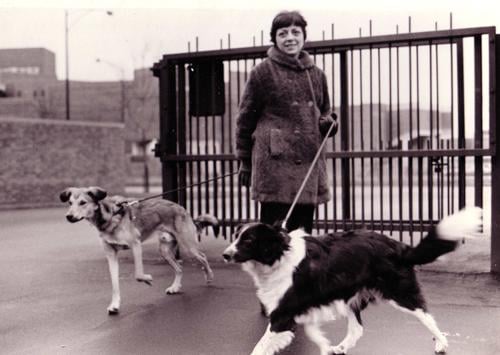
Florence Scala discusses her friendship with Jessie Binford of Hull House
Jul. 18, 1966 Even after Jessie Binford left Hull House due to its demolition, she corresponded with Florence Scala through hand-written letters. Scala learned that Binford was a country girl who lived in the big city of Chicago. Scala reads some of her letters from Binford. There is also an excerpt of Jessie Binford.
-
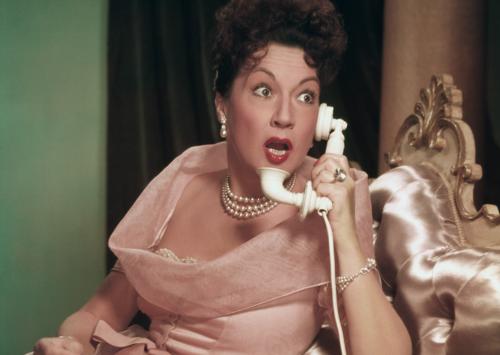
Ethel Merman discusses her experiences as a performer
Jun. 8, 1961 Ethel Merman, American musical theater performer, discusses her experiences as an actor and singer.