

-
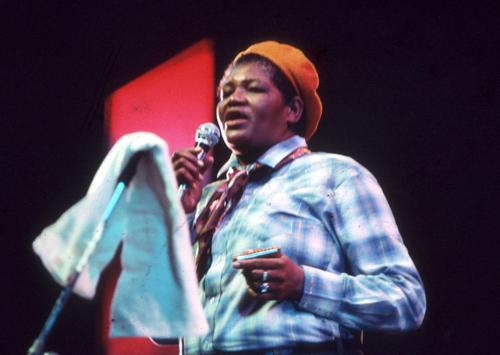
Willie Dixon, Sunnyland Slim and Big Mama Thornton discuss their careers in the blues and describe some of their songs
1970 Studs interviews blues singers Willie Dixon, Sunnyland Slim, and Willie Mae Big Mama Thornton about the blues. They discuss the blues festival in Chicago for which they are all in town for and name other musicians who will be performing. Sunnyland Slim talks about being on the road and the hard times. Thornton describes the blues as music made from life experiences.
-

-
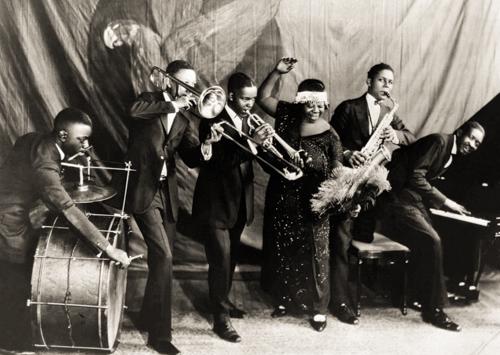
Sandra Lieb discusses the book "Mother of the Blues: A Study of Ma Rainey"
Jan. 12, 1982 Sandra Lieb discusses the book "Mother of the Blues: A Study of Ma Rainey." Includes songs sung by Ma Rainey such as "Runaway Blues," "See See Rider," "Moonshine Blues," and "Oh, Papa Blues." Includes poem "Ma Rainey" by Sterling Brown. Includes "Oh, Daddy," by Ethel Waters. Includes "Young Woman's Blues" by Bessie Smith.
-
Ralph Gleason discusses jazz, jazz artists, and jazz festivals ; part 2
Jul. 31, 1971 In Berkeley, Calif., Ralph Gleason, jazz and pop critic, and founding editor of Rolling Stone, talks with Studs about the history of jazz and jazz artists. They talk in depth about Billie Holiday, white performers who imitated the style of black jazz singers, and jazz festivals. Songs include Holiday's "Them There Eyes" and "God Bless the Child."
-
Phyl Garland discusses themes from her book "Sound of Soul" and the black influence on music ; part 1
Nov. 25, 1968 Studs interviews Phyl Garland about her book "Sound of Soul." They discuss the history of music and how black music influenced white music. Studs reads a quote from her book where she quoted Lerone Bennett. Garland also reads from her book a few times. They discuss how music changed over time for blacks from spirituals to slave songs to the blues because it was a reflection of their lives. Garland explains how blacks used music to help them through their trials and frustrations.
-
Phyl Garland discusses her book "Sound of Soul" and the history of black music in America ; part 2
Nov. 25, 1968 Studs interviews Phyl Garland about her book "Sound of Soul." They discuss various musicians that she mentions in her book and their influence on black music. Garland explains the music of young black artists and how commercialization of music gave blacks an opportunity that they would not have had otherwise. Garland talks about how Fannie Lou Hamer used music to express her message in the Civil Rights Movement and as a women's rights activist. Studs and Garland discuss various black female artists and their music.
-
John Hammond and John McDonough discuss music and their careers
Sep. 11, 1975 Presenting music with music producer (impresario) John Hammond. The following topics were discussed: various recordings; his encounters with famous jazz musicians; the first time he met Billie Holiday; the song "Strange Fruit"; improvisation; racial reform; Bessie Smith's death; and uniting rural and urban artists. The following musical excerpts were played and have been removed for copyright reasons: "7 Come 11"; "This Years Kisses"; "Lady Be Good"; "Young Woman's Blues"; "What More Can Jesus Do"; and "Piney Brown Blues".
-
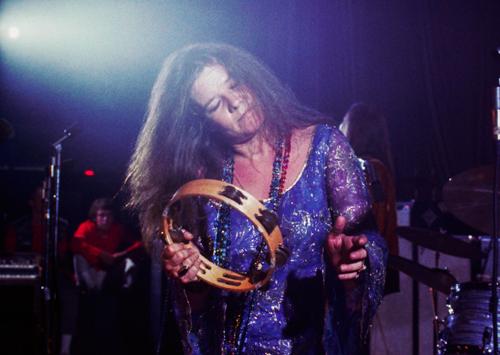
Janis Joplin discusses the blues and her career
1970 Studs Terkel interviews blues singer song-writer Janis Joplin. This program discusses the following: Joplin's song "Turtle Blues"; Joplin's idols Bessie Smith and Lead Belly; Joplin's style of singing; Joplin's song writing; the blues; Joplin's interpretation of "Summertime"; and various renditions of the jazz song "Summertime". The following musical excerpts were presented: "Turtle Blues"; "Summertime" (interpreted by Janis Joplin); "Summertime" (interpreted by Mahalia Jackson); "Summertime" (interpreted by Billie Holiday); "Ball and Chain"; "Piece of My Heart"; and "Billie's Blues".
-
Horace Cayton discusses his book "Long Old Road" ; part 1
Sep. 7, 1966 Content Warning: This conversation includes racially and/or culturally derogatory language and/or negative depictions of Black and Indigenous people of color, women, and LGBTQI+ individuals. Rather than remove this content, we present it in the context of twentieth-century social history to acknowledge and learn from its impact and to inspire awareness and discussion. In "Long Old Road: An Autobiography," Horace Cayton talks about growing up in Seattle in a well to do, mostly white neighborhood. Cayton's grandfather was the first Black man elected to the U.S.