Listen to New Voices on Studs Terkel our partnership with 826CHI-here! Read the Story


-
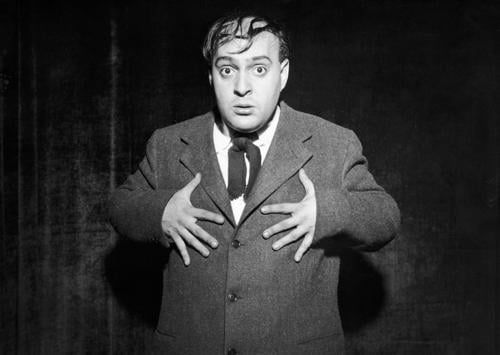
Zero Mostel discusses the play "Rhinoceros" and acting theory ; part 2
Aug. 14, 1961 Zero Mostel talks about acting theory, French and American theater differences, and the reflection of art in society.
-
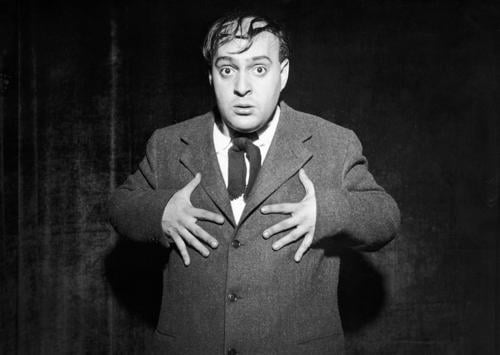
Zero Mostel discusses the play "Rhinoceros" and acting theory ; part 1
Aug. 14, 1961 Zero Mostel talks about acting theory, French and American theater differences, and the reflection of art in society.
-
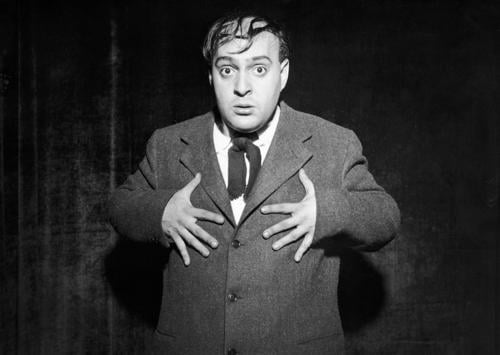
Zero Mostel discusses acting and improvisation
Oct. 1, 1976 Contrary to what some people believe, Zero Mostel says that being an actor is not that easy of a job. Everything one knows, Mostel explains, becomes apart of who you are. The more one knows, the better his/her work will be.
-

Ying Ruocheng discusses the Chinese production of “Death of a Salesman"
Nov. 26, 1984 Ying Ruocheng, actor and director, starring in the Chinese production of Arthur Miller's "Death of a Salesman," discusses his acting career, Chinese culture, and theater adaptations. Includes an interview with Arthur Miller.
-
Wole Soyinka discusses the play "Death and the King's Horseman"
Oct. 11, 1979 Wole Soyinka discusses the play "Death and the King's Horseman." Includes passages from the play and Nigerian funeral music.
-
Warren Leming discusses and performs songs from the play "The Eight Hours"
Apr. 8, 1987 Terkel comments and presents songs and stories from "The Eight Hours"
-
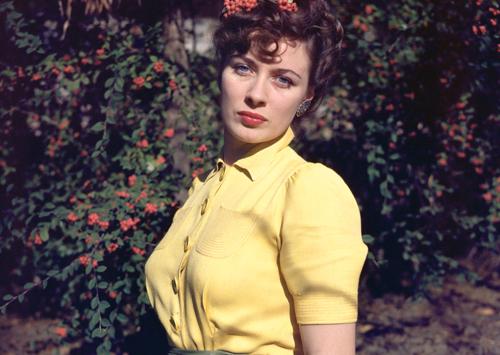
Viveca Lindfors discusses her roles and the roles of women in society
Feb. 2, 1974 Viveca Lindfors discusses her roles and the roles of women in society. Includes Viveca Lindfors reciting lines written by Lillian Hellman.
-
Vincent Dowling discusses his career in theater
Mar. 1, 1990 Actor, director, and author Vincent Dowling performs scenes and roles from his repertoire. He discusses his previous plays and touches on what influenced his career in acting and directing.
-
Vic Greco and Fred Willard discuss their original comedy skits
Oct. 4, 1962 While performing some of their original material, comedians Vic Greco and Fred Willard talk about how they come up with their ideas for their shows. Always the entertainers, and while talking over one another, Greco and Willard explain that most of what they do on stage is improvisation.
-
Tommy Titmus and residents of West Ham Old People's home discuss the British Depression
Sep. 30, 1970 Police officer Tommy Titmus recalls what it was like when people marched and protested at Clerkenwell Green. Titmus said the people marching resembled a rejected lot. Their marching had a purpose, explained Titmus, to demonstrate their plight to the queen. Residents of West Ham Old People's Home all agreed when people speak of the "Good Old Days," that there is no such thing. Jim Field, 79, Ted Blurton, 77, Mrs. MacClaine, 82, and Mrs. Mansfield, 69, said there were no jobs and there was no food. Mr. Field had to sell his pet canary to obtain money to get food.
-
Thom Bishop discusses the musical revue "Suburbs of Heaven"
Feb. 7, 1979 Interviewing the cast of the musical revue "Suburbs of Heaven," songwriter Thom Bishop, singers Marty Peifer and Megon McDonough. Songs include "Mr. Arthur's Place," "Why Not Talk to Me?" "The Telephone Song," "Just Because You Didn't See Me," "Suburbs of Heaven," "Times I Tried to Love You," "Amateur Night/New Year's Eve," and "Somebody Feels the Water."
-
The very "U" girl talks with Studs Terkel ; part 2
1962 Interviewing with the very "u" girl at the establishment (Part 2) while Studs was in England.
-
The cast of "In White America" discuss the play
Feb. 24, 1965 Moses Gunn, Elizabeth Franz, and Novella Nelson, cast members of Martin Duberman's "In White America," discuss the play and its reception. Content Warning: This conversation has the presence of outdated, biased, or offensive language. Rather than remove this content, we present it in the context of twentieth-century social history to acknowledge and learn from its impact and to inspire awareness and discussion.*Please note: some sections have been edited out from the original recording due to copyright considerations
-
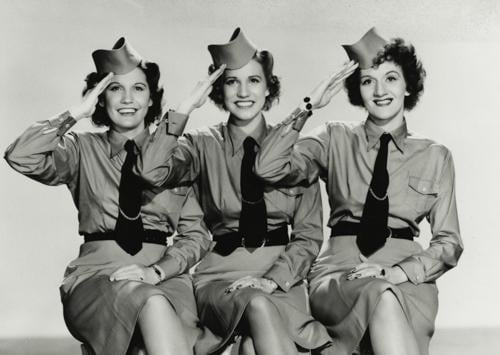
Terkel interviews Maxene Andrews of The Andrews Sisters
Aug. 23, 1982 Maxene Andrews reminisces over Andrews Sisters songs with Studs Terkel. She acknowledges the heavy influence the Boswell Sisters played in the creation of their image. She relays musical stories surrounding songs in Abbott and Costello such as "Bugle Boy" from their movie "Buck Privates". How they found the song "Mir Bist Du Schon" and Sammy Cahn and Saul Chaplin helped with the lyrics. How song pluggers brought The Andrews Sisters "Tip-Pi-Tin". How "Apple Blossom Time" helped an injured soldier at Oak Knoll Hospital upon his return to the states.
-
Terkel discusses the opera and theater.
Sep. 28, 1989 Promoting a production of "The Zoo: A Musical Folly," with the Gilbert and Sullivan Society of Chicago's Executive Producer Gretchen Potts and Artistic Director Carl Forsberg.