Listen to New Voices on Studs Terkel our partnership with 826CHI-here! Read the Story


Showing 976 - 990 of 3671 results
-

Martin Lee discussing his book "Unreliable Sources: A Guide to Detecting Bias in News Media"
Dec. 6, 1990 Discussing the book "Unreliable Sources: A Guide to Detecting Bias in News Media" (published by Lyle Stuart) with author and investigative journalist Martin Lee.
-
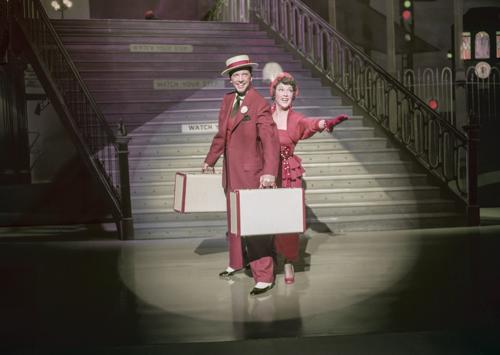
Martin Gottfried discusses his book "Broadway Musicals"
Nov. 15, 1979 Martin Gottfried discusses his book "Broadway Musicals" and the history of the musicals by evaluating the different big name composers, lyricists, and directors of Broadway.
-
Martin Duberman discusses his book "Paul Robeson"
Feb. 28, 1989 Martin Duberman, historian and biographer, discusses his latest work which focuses on the singer, actor, and political activist Paul Robeson. Robeson was known for his performance in Showboat and Emperor Jones.
-
Martin Broszat discusses Germany
1967 Interviewing historian Martin Broszat while visiting Munich, Germany at the Institute of Contemporary History(Institut für Zeitgeschichte). They discuss National Socialism(Nazism) in German & European History between World War I and World War II. As well as a brief discussion of the Neo-Nazi Movement in the 1960's in Germany.
-
Martin Bernal discusses Chinese politics and history
Interviewing Martin Bernal, British scholar of Chinese political history. He discusses various aspects of Chinese history, including the Cultural Revolution, communism, and Chairman Mao.
-
Martha Weinman Lear discusses her book "Heart Sounds"
Apr. 8, 1980 Lear's husband is a doctor who has heart failure, and together, the couple deals with the medical professionals who make errors and who get angry when a second opinion is requested. Nothing prepared Lear for the utter helplessness and rage that she experienced.
-
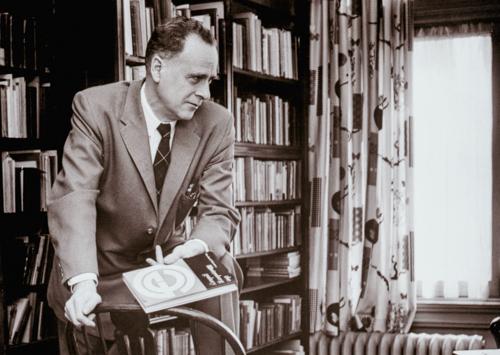
Marshall McLuhan discusses a wide range of philosophical topics
Jul. 1, 1966 Marshall McLuhan discusses a wide range of topics including conformity, changes in entertainment media, cultural change, art and artists, originality in dance, reading and language, human interaction with nature, and technology. Recorded in front of a live audience at Kendall College, McLuhan takes several questions from the audience throughout the program.
-
Marshall Frady, Win Stracke in conversation with Studs Terkel
Jun. 14, 1979 Discussing Billy Graham and revivalism with author and journalist Marshall Frady and singer and musician Win Stracke.
-
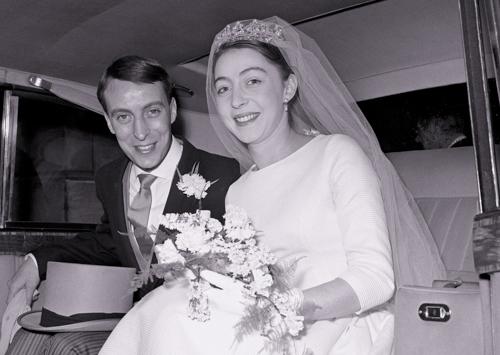
Maroussia Frank discusses "King Lear" and life in the theater
1960 Maroussia Frank analyzes Paul Scofield's performance as King Lear in the theater production as well as life in a theater company and her experiences as a member and a wife of a member.
-
Marlon Brando discusses his views on mankind ; part 3
Apr. 19, 1963 Content Warning: This conversation includes racially and/or culturally derogatory language and/or negative depictions of Black and Indigenous people of color, women, and LGBTQI+ individuals. Rather than remove this content, we present it in the context of twentieth-century social history to acknowledge and learn from its impact and to inspire awareness and discussion. In conclusion, Marlon Brando added that his being a famous actor posed an ugly and difficult burden to his son.
-
Marlon Brando discusses his views on mankind ; part 2
Apr. 19, 1963 Content Warning: This conversation includes racially and/or culturally derogatory language and/or negative depictions of Black and Indigenous people of color, women, and LGBTQI+ individuals. Rather than remove this content, we present it in the context of twentieth-century social history to acknowledge and learn from its impact and to inspire awareness and discussion. In a surprising twist, Marlon Brando asks Studs Terkel why he is so obsessed with asking people so many questions and Terkel’s reply was curiosity.
-
Marlon Brando discusses his views on mankind ; part 1
Apr. 19, 1963 Content Warning: This conversation includes racially and/or culturally derogatory language and/or negative depictions of Black and Indigenous people of color, women, and LGBTQI+ individuals. Rather than remove this content, we present it in the context of twentieth-century social history to acknowledge and learn from its impact and to inspire awareness and discussion. Self-righteousness and values are topics covered by Marlon Brando. Here in the states, Brando said, we are living a dream. We do not want strife in our lives, and yet he says it seems as though we seek it.
-
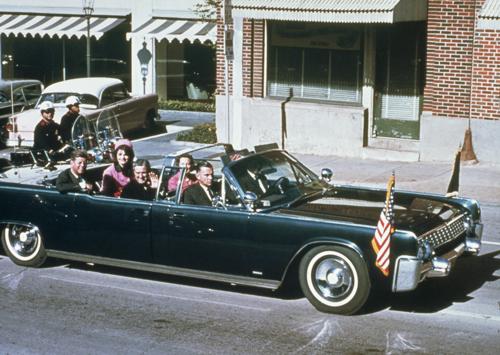
Mark Lane discusses his book "Rush to Judgement"
1968 Studs Terkel and American lawyer Mark Lane dive into Lane’s best-selling book, “Rush to Judgement,” which is a critique of the Warren Commission’s methods and findings, based on Lane’s own investigations and research. He discusses his struggle to publish the book, after several cancelled contracts with publishers, and critical reviews the book received, which he believes are weakly based. This interview includes interviews with three witnesses of JFK’s assassination, collected by Lane during his investigations.
-
-
Marjorie Kellogg writer and social worker discusses her second novel "Like The Lions Tooth"
1975 Marjorie Kellogg writer and social worker discusses her second novel "Like The Lions Tooth". The discussion begins with a reading of the first stanza of a poem by W.B. Yeats "Crazy Jane Grown Old Looks at the Dancers". Studs and Marjorie Kellogg both read excerpts from her novel "Like the Lions Tooth", as they discuss the book.