Listen to New Voices on Studs Terkel our partnership with 826CHI-here! Read the Story


Showing 61 - 75 of 210 results
-
-
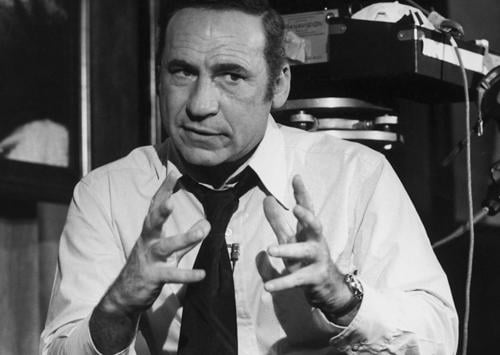
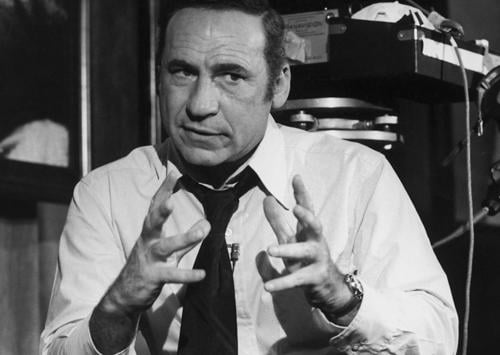
Mel Brooks discusses his new movie "The Producers"
Jul. 2, 1968 In this interview Mel Brooks discusses his new movie "The Producers". The following is discussed: the plot; the other actors in the film; the satirical and campy nature of the film; . Brooks performs several different impersonations throughout the interview.
-

Martin Scorsese and screenwriter Paul Schrader discuss their movie “Taxi Driver"
Feb. 12, 1976 Film director Martin Scorsese and screenwriter Paul Schrader discuss their movie “Taxi Driver,” including interview from 9:04 - 9:49 of Scorsese discussing the character, Johnny Boy, from his film "Mean Streets."
-

Martin Duberman discusses his book "Paul Robeson"
Feb. 28, 1989 Martin Duberman, historian and biographer, discusses his latest work which focuses on the singer, actor, and political activist Paul Robeson. Robeson was known for his performance in Showboat and Emperor Jones.
-
Marlon Brando discusses his views on mankind ; part 3
Apr. 19, 1963 Content Warning: This conversation includes racially and/or culturally derogatory language and/or negative depictions of Black and Indigenous people of color, women, and LGBTQI+ individuals. Rather than remove this content, we present it in the context of twentieth-century social history to acknowledge and learn from its impact and to inspire awareness and discussion. In conclusion, Marlon Brando added that his being a famous actor posed an ugly and difficult burden to his son.
-
Marlon Brando discusses his views on mankind ; part 2
Apr. 19, 1963 Content Warning: This conversation includes racially and/or culturally derogatory language and/or negative depictions of Black and Indigenous people of color, women, and LGBTQI+ individuals. Rather than remove this content, we present it in the context of twentieth-century social history to acknowledge and learn from its impact and to inspire awareness and discussion. In a surprising twist, Marlon Brando asks Studs Terkel why he is so obsessed with asking people so many questions and Terkel’s reply was curiosity.
-
Marlon Brando discusses his views on mankind ; part 1
Apr. 19, 1963 Content Warning: This conversation includes racially and/or culturally derogatory language and/or negative depictions of Black and Indigenous people of color, women, and LGBTQI+ individuals. Rather than remove this content, we present it in the context of twentieth-century social history to acknowledge and learn from its impact and to inspire awareness and discussion. Self-righteousness and values are topics covered by Marlon Brando. Here in the states, Brando said, we are living a dream. We do not want strife in our lives, and yet he says it seems as though we seek it.
-
Marcel Ophuls discusses his documentary films
Apr. 30, 1984 Discussing the showing of his films with film maker Marcel Ophuls.
-
Marcel Marceau talks about adapting his work to film
Oct. 17, 1974 The famed French mime and actor discusses illusion and reality, as depicted in the surrealist horror film, Shanks.*Please note: some sections have been edited out from the original recording due to copyright considerations
-
Maggie Renzi and John Sayles discuss the movie "Return of the Seacaucus Seven"
Feb. 1, 1981 Discussing the movie "Return of the Secaucus seven" with Maggie Renzi and John Sayles.
-
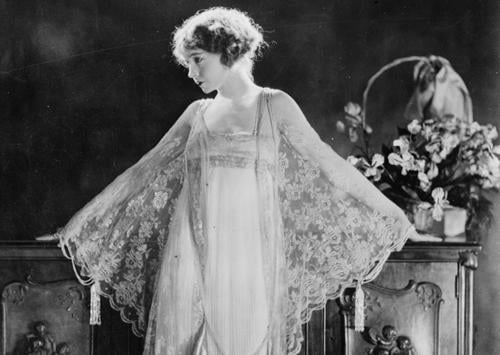
Lillian Gish discusses the play "Passage to India" and her career
Jan. 16, 1963 Actress Lillian Gish joins Studs Terkel to talk about her role in the play “Passage to India.” Gish connects the play based on a book by E. M. Forster to “Uncle Tom’s Cabin,” and discusses the relevance and importance of historical works like those mentioned. Studs asks Gish about working with D. W. Griffith, and the two praise Griffith’s impact on the world of film; Gish comments on her experience with working with Charles Laughton too.
-
Lilli Palmer discusses her book "The Red Raven"
Nov. 13, 1978 Lilli Palmer, actress and writer, discusses her life and her book, "The Red Raven." She talks about growing up in Germany, some of her film and play work, and her personal life.
-
Lila Kedrova discusses her background
Apr. 1, 1965 Although she came from a family with a musical background, Lila Kedrova went into acting. A friend of her father, Feodor Chaliapin, played a part in influencing Kedrova into performing. Kedrova said she's been acting since she was eight. After her role as Madame Hortense, Kedrova said she wanted to explore other types of roles.*Please note: some sections have been edited out from the original recording due to copyright considerations
-
Larry Gelman in conversation with Studs Terkel
Sep. 22, 1988 Interviewing actor Larry Gelman.
-
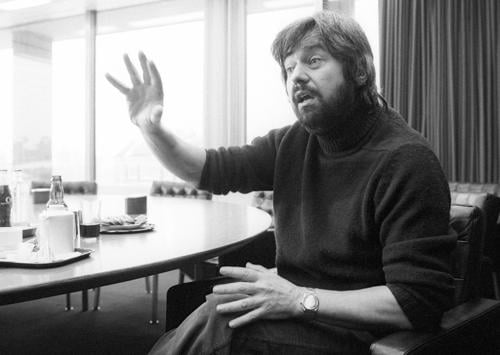
Jurek Becker discusses his background
1986 While in his home in Berlin, Jurek Becker covers various topics. He first talks about being arrested back in 1978 in New Orleans. Becker also talks about his lack of memories from being in the concentration camp. When he was 3, 4, or 5, Becker said that when he was there, there was nothing, and therefore, there's nothing to remember.