Listen to New Voices on Studs Terkel our partnership with 826CHI-here! Read the Story


Showing 106 - 120 of 336 results
-

Marcel Marceau discusses the art of mime ; part 1
1970 Marcel Marceau, world renown mine, discusses the art and history of pantomime. Marceau talks about mime throughout history from Ancient Rome to the 20th century. He discusses some well-known mimes such as Pierrot and Charlie Chaplin. From aging, to humor and tragedy, and different cultures, Marceau explores about how the art of mime affects and reflects society. They also discuss how Marceau created and plays Bip and how the audience interacts with his character.
-
Maggie Renzi and John Sayles discuss the movie "Return of the Seacaucus Seven"
Feb. 1, 1981 Discussing the movie "Return of the Secaucus seven" with Maggie Renzi and John Sayles.
-
Lois Wheeler Snow discusses her book “China on Stage”
Actor and author Lois Wheeler Snow discusses her book “China on Stage,” and shares her experiences in China, primarily involving ballet, opera, and plays.
-
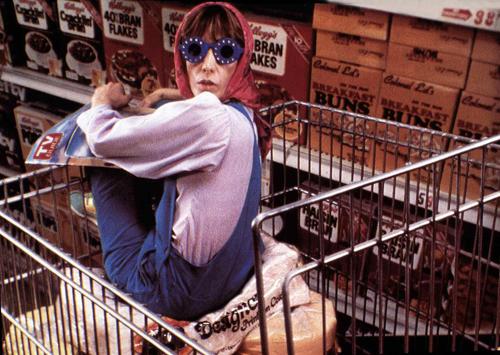
Lily Tomlin discusses the "The Search for Signs of Intelligent Life in the Universe"
Sep. 27, 1988 Tomlin talks in depth about the characters she has created and played (Trudy the Bag Lady, Kate, Agnus Angst, Chrissy, Lynn, Marie, ) in the play "The Search for Signs of Intelligent Life in the Universe" by Jane Wagner. Tomlin talks in detail about each character and inspirations and influences behind each, especially Trudy.
-
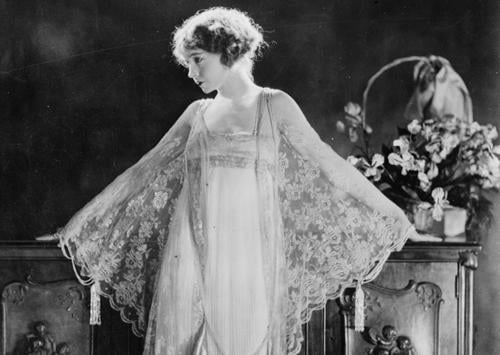
Lillian Gish discusses the play "Passage to India" and her career
Jan. 16, 1963 Actress Lillian Gish joins Studs Terkel to talk about her role in the play “Passage to India.” Gish connects the play based on a book by E. M. Forster to “Uncle Tom’s Cabin,” and discusses the relevance and importance of historical works like those mentioned. Studs asks Gish about working with D. W. Griffith, and the two praise Griffith’s impact on the world of film; Gish comments on her experience with working with Charles Laughton too.
-
Lilli Palmer discusses her book "The Red Raven"
Nov. 13, 1978 Lilli Palmer, actress and writer, discusses her life and her book, "The Red Raven." She talks about growing up in Germany, some of her film and play work, and her personal life.
-
Lila Kedrova discusses her background
Apr. 1, 1965 Although she came from a family with a musical background, Lila Kedrova went into acting. A friend of her father, Feodor Chaliapin, played a part in influencing Kedrova into performing. Kedrova said she's been acting since she was eight. After her role as Madame Hortense, Kedrova said she wanted to explore other types of roles.*Please note: some sections have been edited out from the original recording due to copyright considerations
-
Larry Gelman in conversation with Studs Terkel
Sep. 22, 1988 Interviewing actor Larry Gelman.
-
Larry Arrick, Tom Earhart and James Patterson discuss their upcoming performance at the Playwrights Theater ; part 2
Dec. 14, 1961 Theater director Larry Arrick and actors Tom Earhart and James Patterson discuss the one-act play Zoo Story written by Tony award-winning playwright Edward Albee.
-
Kaye Ballard talks with Studs Terkel
Aug. 3, 1960 Musical theater and television actress/comedienne Kaye Ballard discusses her role as Helen in the 1954 American opera The Golden Apple, musician and writer John La Touche, her family, her accompanist Arthur Siegel and their mutual love for the Peanuts comic strip, the parakeet sketch she wrote with Mel Brooks, her background in burlesque and vaudeville, and her comic and musical inspirations.
-
Julie Harris discusses the poetry of Emily Dickinson
Mar. 11, 1976 In preparation to play Emily Dickinson in, "The Belle of Amherst" Julie Harris read both the letters and the poems written by Dickinson. Harris said she had become fascinated by Dickinson's persona. This interview includes two excerpts: "Because I could not stop for Death," and "Before I got my eye put out."
-
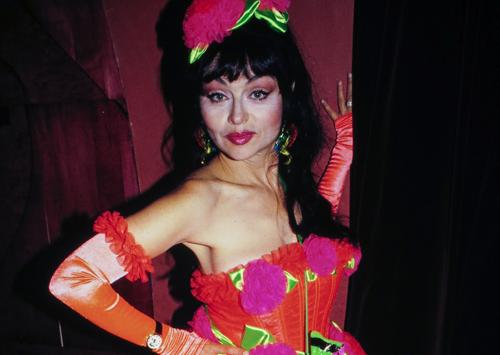
Judy Tenuta discusses being a Love Goddess
Self-proclaimed Love Goddess, Judy Tenuta, was also known as the Aphrodite of the Accordion, to her fans. Tenuta talks about how she saw Elvis in her Cheese Whiz and he told her to start her own religion, which is known as Judyism. Calling herself the Love Goddess came to be after her brothers literally kissed her hands and feet when she asked them to. This is a very short conversation that ends abruptly.
-
Joyce Grenfell, Dame Sybil Thorndike and Frances Cucka discuss acting
Dec. 1, 1962 When asked what she thought of Dame Sybil Thorndike, British actress Joyce Grenfell said Dame Sybil has a great sense of discovery. The Grand Dame of the British Theatre, Dame Sybil Thorndike said the greatest thing that ever happened to her was George Bernard Shaw's "Saint Joan". Thorndike also spoke of her politics and of being anti-war. Frances Cucka said working with Dame Sybil Thorndike was an extraordinary experience. Cucka, voted one of the most promising actresses of the west, said she also learned to sing and to dance for future roles.
-
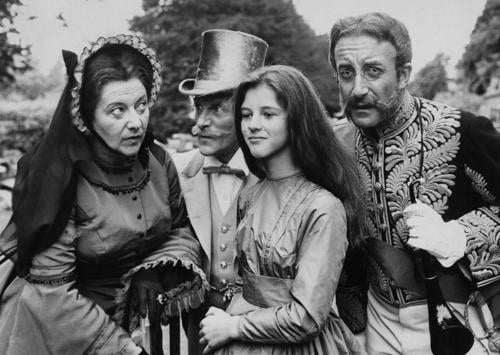
Jonathan Miller discusses English society and class and Alice in Wonderland; part 2
Feb. 5, 1968 Jonathan Miller discusses English society and class post WW2 and his TV movie Alice in Wonderland; part 2.
-
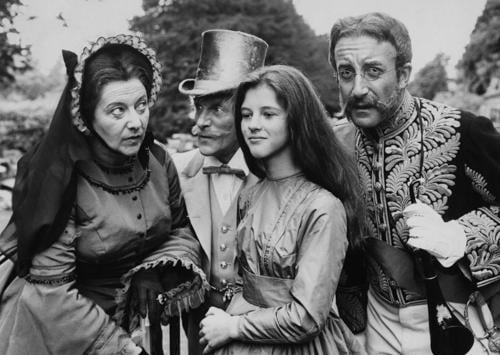
Jonathan Miller discusses English society and class and Alice in Wonderland; part 1
Feb. 5, 1968 Jonathan Miller discusses English society and class post WW2 and his TV movie Alice in Wonderland; part 1.