Listen to New Voices on Studs Terkel our partnership with 826CHI-here! Read the Story


Showing 106 - 120 of 123 results
-
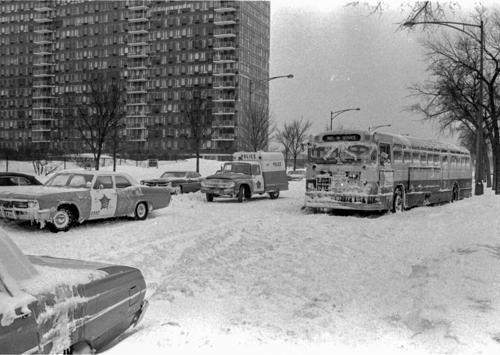
Chicago Blizzard field recordings: January 1967 snow-in ; part 1
May. 13, 1967 Studs Terkel talks to people on the street about their observations during the blizzard that caused many people to be snowed-in. A veteran news vendor said the deliveries are slower, there are no cars or taxis around and that everyone who works downtown is staying in the hotels downtown. A young police officer said he witnessed more people giving others rides. One gentleman told Terkel that to him, it was as though everyone knew each other, and there were no strangers in a blizzard.
-

Cesar Chavez discusses unionizing migrant farm workers
Jun. 4, 1973 Cesar Chavez discusses unionizing migrant farm workers, and how nonviolent tactics made the farm workers' struggle a cause with nationwide support(grape boycott). Includes excerpt from Hard Times: Voices of the Great Depression.
-
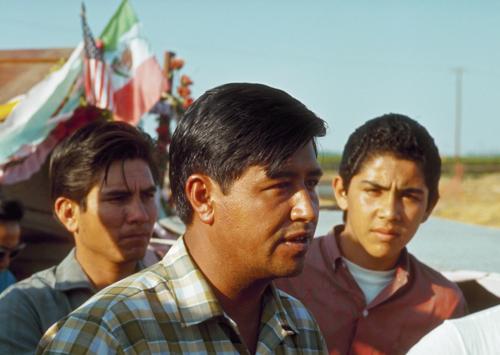
Cesar Chavez discusses farm labor rights
1967 Cesar Chavez discusses the United Farm Workers effort to gain rights for farm laborers and his childhood that led him to become a labor rights activist.
-
Carl and Hallie Foster discuss living their lives in Newburgh, Indiana
1970 Carl and Hallie Foster talk about the good and the bad of Newburgh, Indiana. Having been a welder for most of his life, Carl Foster, reflects on the time he got sick while on the job. He had gotten cancer and had to be fed intravenously for six months. While he was out sick, the company did not compensate him. When asked about his hobby of growing banana trees, a true calm and passion takes over his personality, as noticed by Studs Terkel.
-
Bill Adelman, Paul Avrich, Carolyn Ashbaugh, and Bill Neebe discuss the Haymarket Square Riot
May. 2, 1986 Commemorating the centennial of the Haymarket Square Riot, or Haymarket Affair, are authors and historians Bill Adelman, Paul Avrich, Carolyn Ashbaugh, and the grandson of Haymarket defendant Oscar Neebe, Bill Neebe. The interveiwees create a timeline of the events leading up to the Haymarket Riot including the German immigrants living situations, unions and strikes, police brutality and corruption. The group also lays out the events from May 1st to May 5th and then the following corrupt trials.
-
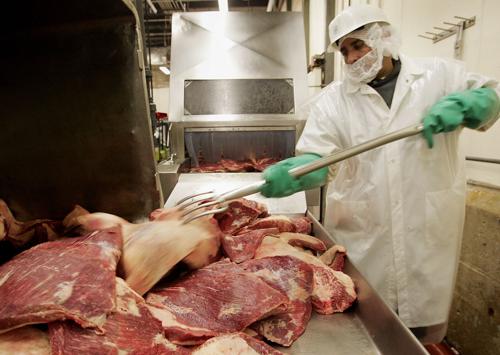
Barbara Kopple discusses her documentary "American Dream"
Mar. 20, 1992 Academy Award winning documentarian Barbara Kopple talks with Studs about her documentary "American Dream" and the battle fought and lost by union workers in Austin, Minnesota during the mid-80s. They set the backdrop in the small, tight-knit community that Hormel Foods had such a profound impact on, how the UFCW international union declined to support the local union, the gripping dynamics between family members who crossed picket lines, and the healing that occurred when the film was screened in the town several years later.
-

Arnold Wesker talks with Studs Terkel ; part 2
1962 Terkel Talks with known English Dramatist Sir Arnold Wesker (part 2) about the economy of England. The talk begins with the subject of apprentices and when students began their apprenticeship (usually at the age of 15). This is a two part interview
-
An interview with Morton Sobell
Nov. 14, 1974 Discussing the book, On Doing Time, and interviewing the author Morton Sobell. Includes clips of Studs asking various people what they know about Julius and Ethel Rosenberg.*Please note: some sections have been edited out from the original recording due to copyright considerations
-
Allen Kaplan, Robert Nelson, and George [Troynell?] of the American Federation of Government Employees
Jan. 15, 1975 Interviewing three officials of unions of government employees: Allen Kaplan, Bob Nelson, George Troynell and discussing the importance of unions for workers rights.
-
Actress Verna Bloom discusses being arrested in Chicago ; part 2. Also included are conversations with a lady behind a cigar counter and a cab driver
1968 Content Warning: This conversation includes racially and/or culturally derogatory language and/or negative depictions of Black and Indigenous people of color, women, and LGBTQI+ individuals. Rather than remove this content, we present it in the context of twentieth-century social history to acknowledge and learn from its impact and to inspire awareness and discussion. Verna Bloom continues to talk about how scared she was when being arrested. Bloom said she was hand-cuffed for an hour. One of Bloom's friends was able to smooth things over with the police and she was finally released.
-
Abram Loft discusses his career and his book "Violin and Keyboard"
Jul. 25, 1974 Abram Loft discusses his career, his book "Violin and Keyboard", art, and music education. Includes Abram Loft reading a passage from his book "Violin and Keyboard". Includes Abram Loft reading excerpts from newspapers.
-
A. V. Krebs discusses his book "The Corporate Reapers: The Book of Agribusiness"
Sep. 10, 1992 A.V. Krebs discusses his book "The Corporate Reapers: The Book of Agribusiness" (published by Essential), farming, and food manufacturing. A clip of an interview with a family farmer with the last name [Nermeyer] and her husband is included. Songs have been removed due to copyright.
-
A young white cabbie talks with Studs Terkel
Mar. 26, 1962 Interviewing a young white cabbie and farewell comments on the plane ride home when Studs traveled home from Montgomery, Alabama.
-
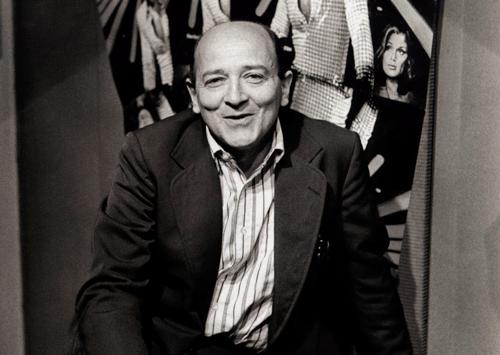
A London cab driver discusses traffic and Karel Reisz talks about making movies
1962 While riding in a cab, the driver talks about the narrow streets of London. He also talks about the traffic and why he believes traffic will only get worse in the future. Producer and director Karel Reisz explains how making films in England and America differ from how films are made Italy. Reisz also talks about the freedom of a director when making a film. With regards to viewership, according to Reisz, films are in 2nd place behind TV.
-
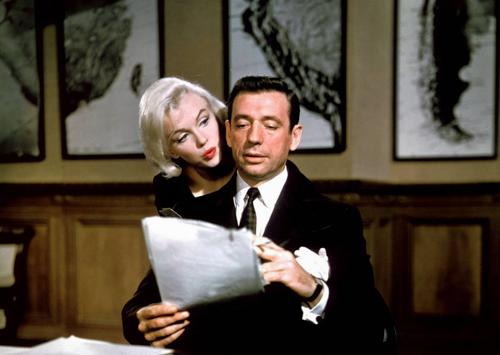
A French taxi driver and actor/singer Yves Montand
1962 While waiting to see Yves Montand, Studs speaks with a taxi driver through an interpreter, Michelle [Viande?]. Also speaks to Yves Montand.