

-

Leon Forrest in conversation with Studs Terkel
Sep. 8, 1976 Tribute to William Faulkner with Leon Forrest
-
-
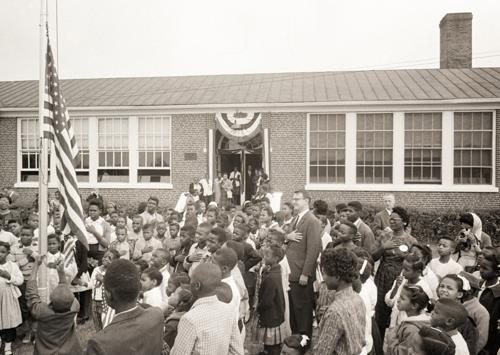
Gregory Coffin and Neil Sullivan discuss civil rights and school integration; part 2
1967 Interviewing school superintendents Gregory Coffin (Evanston) and Neil Sullivan (Berkeley) who discuss school integration and civil rights.
-
-
The Collier Family, Dr. Kawalak, and Augustine Stevens discuss Sierra Leone and the Peace Corps; part 1
Jul. 26, 1966 Discussing Sierra Leone, the Peace Corps, and interviewing the Collier Family, Dr. Kawalak, and Augustine Stevens. They also discuss the languages, culture, religion, and history of Sierra Leone. Includes clips of African music (from Sierra Leone).
-
Studs Terkel discusses the songs by Steve Goodman and songwriter John Prine
Jul. 29, 1975 Studs Terkel comments on folk music entertainers Stever Goodman and John Prine. He discusses a little about their life and names a variety of their song titles. The musical performances have been erased from this edited version of the recording. Includes an excerpt from a previous interview with John Prine who speaks about his grandfather and a song he wrote about him.
-
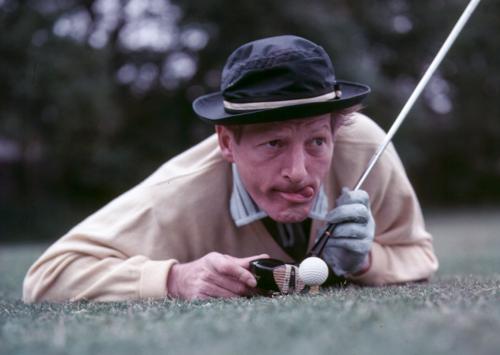
Studs talks with versatile actor, singer, performer Danny Kaye
Mar. 8, 1963 Studs talks with versatile actor, singer, performer Danny Kaye who opens up about his worldwide appeal to children and adults alike, relating to children on their terms, his father's influence, the skills and work that go into his crafts, and much more. Kaye reveals his lack of musical training yet details his comic conducting talents ala Victor Borge via his charity work. The conversation continues with talk of his variety show performances, his fondness for Señor Wences, the medium of television, and his knack for dialects.
-
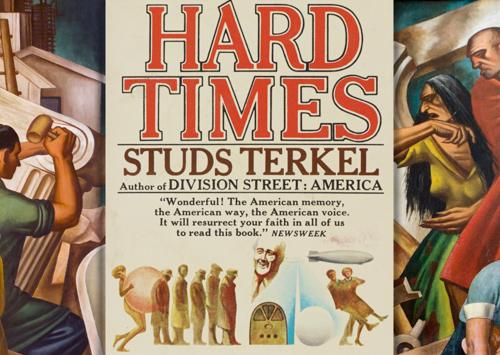
Terkel comments and presents "Hard Times: an Oral History of the Great Depression", Chapter 9
1971 Presenting "Hard Times: an Oral History of the Great Depression", Chapter 9: Concerning The New Deal. Ed Paulsen talks about conflicting feelings regarding the New Deal and how the government seemed more present in daily life. Hank Oettinger remembers how his town celebrated after the first round of relief checks were received. Gardner C. Means explains how the New Deal was created to help save the country.
-
Terkel comments and presents "Hard Times: an Oral History of the Great Depression", Chapter 9
1971 Presenting "Hard Times: an Oral History of the Great Depression", Chapter 9: Concerning The New Deal. Ed Paulsen talks about conflicting feelings regarding the New Deal and how the government seemed more present in daily life. Hank Oettinger remembers how his town celebrated after the first round of relief checks were received. Gardner C. Means explains how the New Deal was created to help save the country.
-
Jack Conroy discusses sign painter Slappy Hooper
Program is only 5 minutes 12 seconds long.