

-

Studs, teachers and students have a conversation at a high school where there is controversy over the use of the book "Working"
1982 Discussing the controversy over the use of the book "Working" by author Studs Terkel in a senior vocational class. Interviews with Kay Nichols, teacher, and two high school classes, as well as Bob Burns and Jim Richardson. The students talk of how the "bad" language in the book is heard from their peers on a daily basis and they don't find it offensive. [recorded in Girard, Pennsylvania]
-
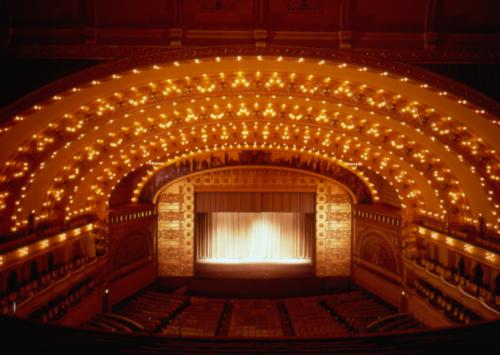
Carl Condit, Richard Nickel and Ben Weese discuss architecture ; part 1
Discussing Chicago architecture and interviewing Carl Condit, Richard Nickel and Ben Weese.
-
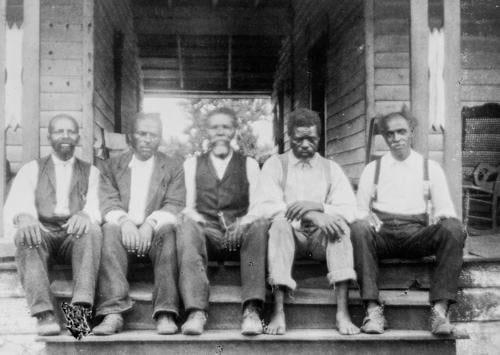
Lerone Bennett, Jr., John Hope Franklin and Hoyt Fuller discuss the book "Distortions of Negro History"
Jun. 3, 1965 Discussing "Distortions of Negro History" and interviewing Lerone Bennett, Jr., John Hope Franklin and Hoyt Fuller.
-
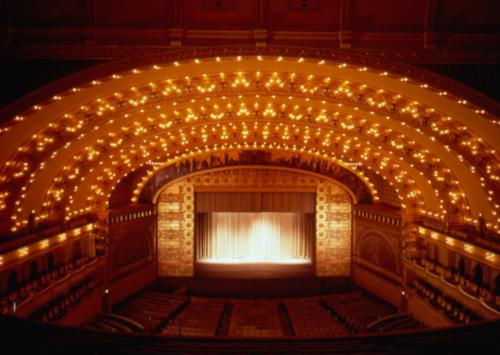
Carl Condit, Richard Nickel and Ben Weese discuss architecture ; part 2
Discussing Chicago architecture and interviewing Carl Condit, Richard Nickel and Ben Weese.
-
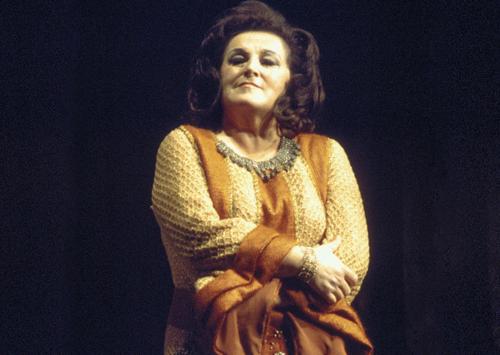
Birgit Nilsson talks about her career and her roles
Oct. 4, 1972 Birgit Nilsson talks about her career and her roles with musical interludes.
-
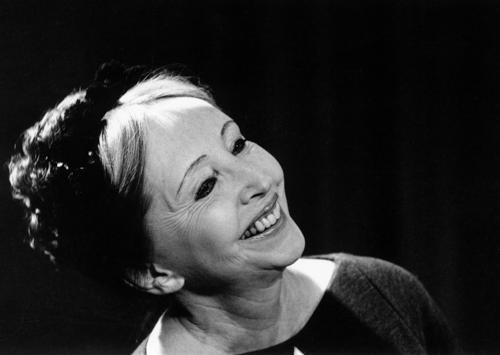
Interview with a society editor, lady in a cab, E.D. Nixon, the host
Apr. 1, 1965 Interviewing in Montgomery, Alabama, with a society editor, lady in a cab, E.D. Nixon, the host, with portions of a broadcast of Dr. Martin Luther King, Jr. from the TV (program 5).
-
-
Studs Terkel interviews author-dramatist Frank Norman at his Bloomsbury Square Hotel ; part 1
1968 Terkel delves into the life of Frank Norman, a London ex-con who turned his life around and became a novelist and playwright by writing on his experiences. He wrote "Bang to Rights" shortly after his prison release which brought him great fame. He followed that with "The Monkey Pulled it's Hair" that had a U.S. release under the name "Don't Darling Me Darling". Norman opened up to Terkel discussing his illegitimacy, his illiteracy till age 14, his institutionalization in an orphanage which he turned into the novel "Banana Boy".
-
Studs Terkel interviews author-dramatist Frank Norman in his Bloomsbury Square Hotel, London ; part 2
1968 Terkel wraps up his discussion with Frank Norman. Norman gives his opinion on present conditions in prisons and orphanages. He opens up about his relationship with his daughter and a family he has never met.
-
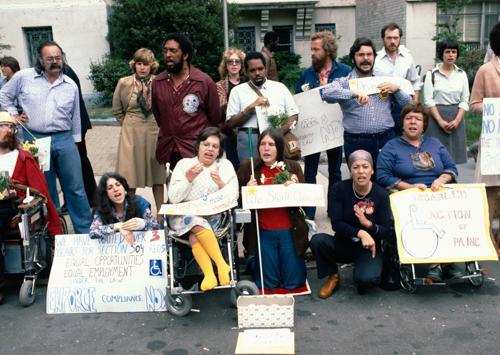
Susan Nussbaum and Michael Pachovas discuss the Disabled Americans Freedom Rally with Studs Terkel
Feb. 28, 1981 Susan Nussbaum, founder of Access Living and Michael Pachovas founder of Disabled Prisoners Program discuss the upcoming Disabled Americans Freedom Rally in the backdrop of the International Year of the Disabled Persons and President Reagan's budget cuts. Society needs to understand that expenditures are required to secure the rights of disabled people to live active, productive lives. They need to be able to get out of their apartment buildings or homes, travel on sidewalks and ride buses. That may require access ramps, working elevators, cut curbs, and hydraulic buses to lower steps.