

-

Paul Schilpp talks with Studs Terkel
May. 20, 1965 Interviewing philosopher Paul Schilpp.
-
-
About the Studs Terkel Radio Archive
The Studs Terkel Radio Archive (STRA), launched in May 2018 on Studs Terkel’s 106th birthday, is a digital platform whereon, eventually, will live the majority of the 5,600 radio programs Terkel created during his career at WFMT in Chicago between 1952 and 1997 live.
-
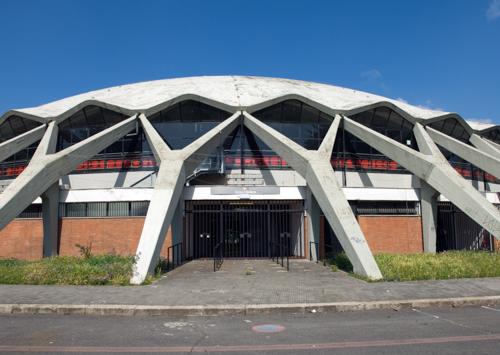
Pier Luigi Nervi and Joseph Nicolletti discuss architecture; part 1
1962 Pier Luigi Nervi and Joseph Nicolletti discuss architecture, problem solving versus aesthetics, and innovation in architecture.
-
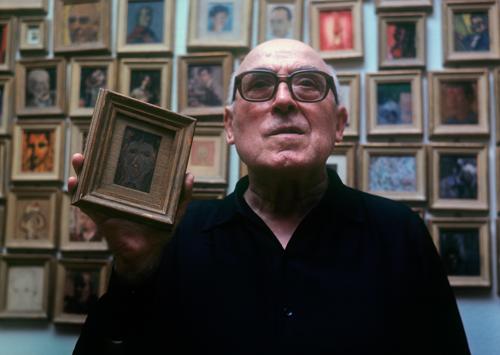
Pier Luigi Nervi and Joseph Nicoletti discuss architecture; part 2. Second interview: Caesar Zavattini discusses screenwriting and cinema
1962 End of interview with Pier Luigi Nervi and Joseph Nicoletti where they discuss innovation in architecture and learning from a master; second part is a separate interview with Cesare Zavattini about film inspirations and creating some of his most well known works.
-
-
-
Charles Newman discusses his novel "New Axis: Or, The Little Ed Stories, an Exhibition"; part 1
Jul. 19, 1966 Charles Newman discusses and reads from his book "New Axis".
-
Charles Newman discusses his novel "New Axis: Or, The Little Ed Stories, an Exhibition" with Studs Terkel ; part 2
Jul. 19, 1966 Studs interviews Charles Newman and discusses his novel, "New Axis." Both Studs and Charles Newman read excerpts from the novel.
-
Nicholas Von Hoffman discusses his novel, "Two Three Many More" with Studs Terkel
1970 Nicholas Van Hoffman discusses the characters of his novel, "Two Three Many More" about campus protests against the Vietnam War. Political viewpoints, regulations, and character analysis are discussed. Von Hoffman opens the interview with a reading from the opening of the book that mentions peace, solidarity, and disunity. Terkel and Von Hoffman read excerpts together from the book.