Listen to New Voices on Studs Terkel our partnership with 826CHI-here! Read the Story


Showing 1 - 10 of 182 results
-
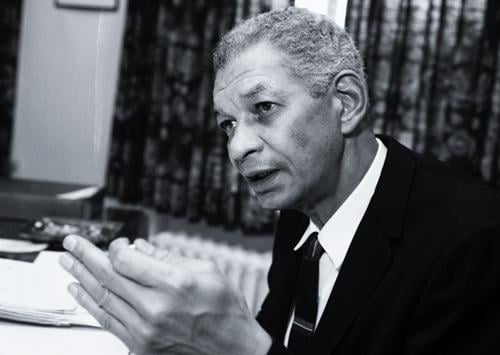
Edwin C. Berry (Bill) discusses civil rights. Part 1
1968 Interviewing civil rights activist Edwin C. "Bill" Berry. Part 1.
-
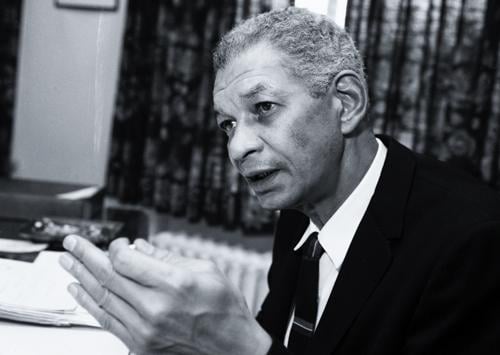
Edwin C. Berry (Bill) discusses civil rights. Part 2
1968 Interviewing civil rights activist Edwin C. "Bill" Berry. Part 2
-

Harrison Evans Salisbury discusses his book "A Time of Change"
Mar. 18, 1988 His experiences as a journalist are what's covered in Harrison Evans Salisbury's book, "A Time of Change: A Reporter's Tale of Our Time". Salisbury believed as a reporter, one truly needed to be at the event, in order to obtain the true story. Once Salisbury questioned if he was living in America because he was asked to switch rooms at a hotel in Birmingham, only to find out later that there were special, bugged rooms for reporters.
-
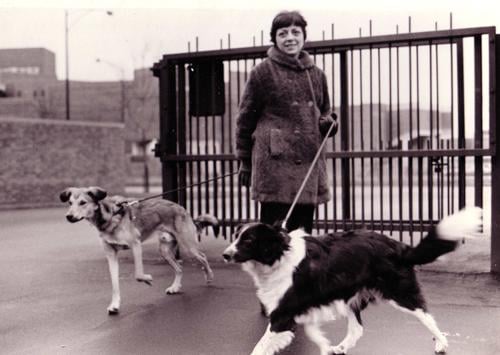
Florence Scala discusses her friendship with Jessie Binford of Hull House
Jul. 18, 1966 Even after Jessie Binford left Hull House due to its demolition, she corresponded with Florence Scala through hand-written letters. Scala learned that Binford was a country girl who lived in the big city of Chicago. Scala reads some of her letters from Binford. There is also an excerpt of Jessie Binford.
-
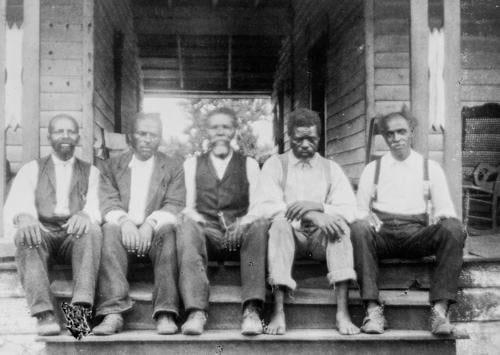
Lerone Bennett, Jr., John Hope Franklin and Hoyt Fuller discuss the book "Distortions of Negro History"
Jun. 3, 1965 Discussing "Distortions of Negro History" and interviewing Lerone Bennett, Jr., John Hope Franklin and Hoyt Fuller.
-

Interview with a society editor, lady in a cab, E.D. Nixon, the host
Apr. 1, 1965 Interviewing in Montgomery, Alabama, with a society editor, lady in a cab, E.D. Nixon, the host, with portions of a broadcast of Dr. Martin Luther King, Jr. from the TV (program 5).
-
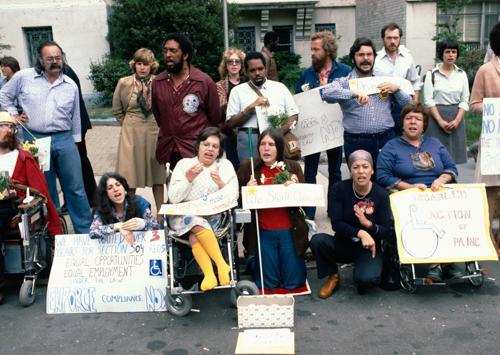
Susan Nussbaum and Michael Pachovas discuss the Disabled Americans Freedom Rally with Studs Terkel
Feb. 28, 1981 Susan Nussbaum, founder of Access Living and Michael Pachovas founder of Disabled Prisoners Program discuss the upcoming Disabled Americans Freedom Rally in the backdrop of the International Year of the Disabled Persons and President Reagan's budget cuts. Society needs to understand that expenditures are required to secure the rights of disabled people to live active, productive lives. They need to be able to get out of their apartment buildings or homes, travel on sidewalks and ride buses. That may require access ramps, working elevators, cut curbs, and hydraulic buses to lower steps.
-
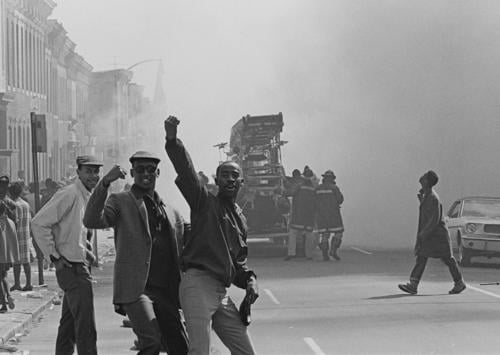
Garrett O'Connor discusses "Reflections in the rubble."
Feb. 1, 1970 Psychiatrist Dr. Garrett O'Connor discusses his article "Reflections in the rubble: some thoughts in the aftermath of civil disorder." Topics of conversation include his experiences working in community clinics with blue collar workers and African Americans; the ways that poverty, racism, and classism are maintained by the American economy; the Martin Luther King, Jr.
-
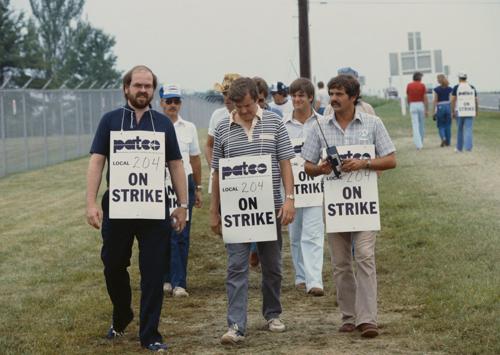
Jim Paulei of PATCO discusses the air traffic controller's strike and describes a day on the job
Oct. 5, 1981 Mr. Paulei talks with Studs about the air traffic controllers strike in 1980 and subsequent firing of over 1000 air traffic controllers. They discuss what a normal shift as an air traffic controller consists of, and the unions reasons for the strike in 1980.
-

Rev. W. Alvin Pitcher and Dr. Richard Wade discuss race relations, civil rights, and socio-economic differences
Aug. 23, 1965 Reverend W. Alvin Pitcher and Dr. Richard Wade discuss how violence and civil disobedience intertwine with civil rights, economic differences, and the importance of education.