Listen to New Voices on Studs Terkel our partnership with 826CHI-here! Read the Story


-
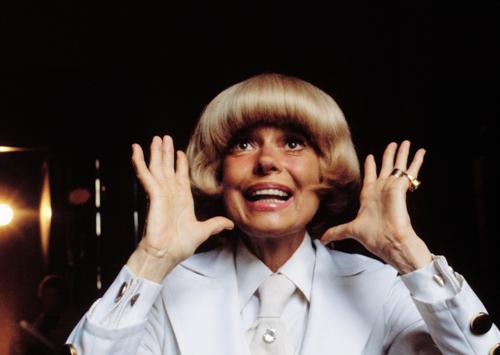
Carol Channing discusses her film and stage career
Jan. 28, 1972 This interview features singer and actress Carol Channing which discusses: the film "Shinbone Alley"; production of "Lorelei"; her grandmother; and her career. It begins with a musical excerpt from the animated movie "Shinbone Alley" featuring Channing singing as the alley cat Mehitabel. It also includes excerpts from the Broadway production called "Lorelei", examples of her character acting/comedy (as Cecilia Sisson), her reading of "Madeline and other Bemelmans", and a portion of the song "So Long Dearie" from the play "Hello, Dolly!".
-

Christopher Durang discusses his play "A History of the American Film" and "Sister Mary Ignatius Explains It All For You"
Dec. 7, 1984 Studs interviews Christopher Durang, playwright, about his plays. "A History of the American Film" is the highlight of the interview, which is playing at the Heron Theater in Chicago. Durang describes parts of the play and it's characters. He explains that it portrays the different eras and famous moments of movies and references real actors and actresses. Durang reads several times from the play, but all musical numbers are removed from this edited version of the original recording.
-
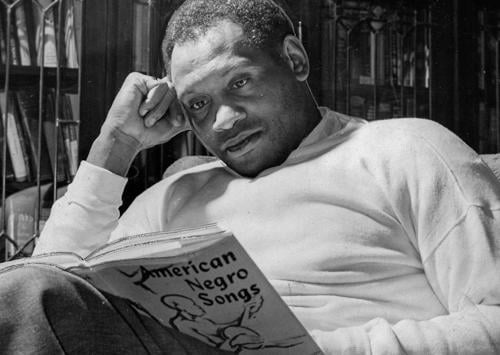
Studs presents a tribute to singer, actor, athlete, author and civil rights crusader Paul B. Robeson
Jan. 28, 1976 Studs presents a tribute to singer, actor, athlete, author and civil rights crusader Paul B. Robeson. Studs talks about his personal memories, the social impact and music of Paul Robeson. Excerpts from 1925362-4-1 Mr Robeson' friends recall memories of him: Earl Dickerson one of the 1 st black aldermen of Chicago, J. Mayo "Ink" Williams football player, Studs Terkel, Claudia Cassidy(1925655-4-1), Eddie Balchowski, Veteran, painter, poet(1934701-3-1) Includes excerpts from 1925362-4-1 and music. Similar to 1925362-3-1, but not identical. 01/23/1976 date of death.
-

E. Y. (Yip) Harburg discuss his book "At This Point in Rhyme"
Feb. 18, 1977 E.Y. (Yip) Harburg and Studs Terkel read from the book "At This Point in Rhyme". E.Y. Harburg also discusses his thoughts on humanity, how to properly write a song, and the importance of light verse and humor as a basis for everything he creates. Excerpts of "Somewhere Over the Rainbow" by Judy Garland, "Brother, Can You Spare a Dime" by the Weavers, and a Broadway recording of "How Are Things in Glocca Morra" are played in the original airing but have been removed from this version for copyright reasons.
-
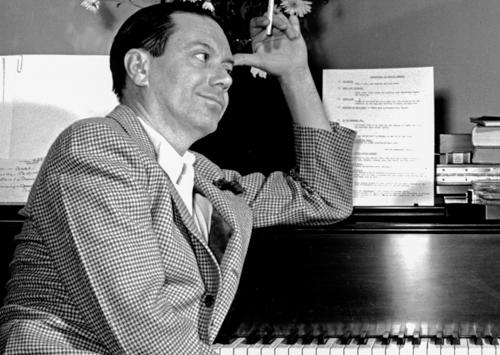
Discussing Cole Porter's work and the book "Cole" and interviewing its author Robert Kimball
1970 Cole Porter biographer Robert Kimball talks with Studs about his book "Cole" and his subject's life and work as they listen to classic performances of some of his most beloved songs. They marvel at how Porter perfectly captured the zeitgeist of the times in his lyrics, his lyrical influences, his unique method of outside-in composing lyrics and music simultaneously, Bobby Short's masterful interpretations, controversies over some of his works, and how well his material holds up.
-
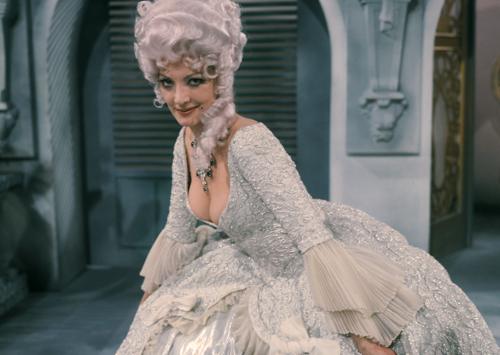
Anna Moffo discusses her career as an opera singer
May. 11, 1978 Anna Moffo discusses her career as an opera singer, opera composers, and opera music.
-
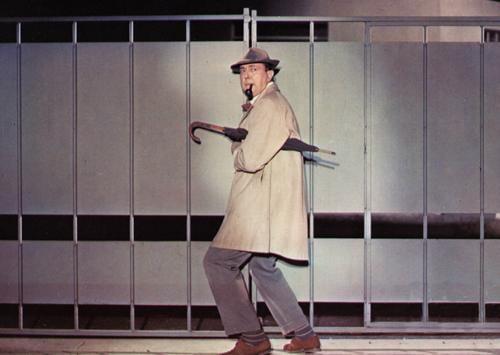
Studs Terkel discusses the film "Mon Oncle"with creator Jacques Tati
Dec. 12, 1958 Studs Terkel reintroduces this 1958 broadcast with Jacques Tati in a 1992 rebroadcast. At 39:06, Terkel includes a musical epilogue to the conversation with Jacques Tati with French children's songs such as "Cadet Rousselle". Tati discusses his films "Mr. Hulot's Holiday" and" Mon Oncle" and his emphasis as writer, director, actor, and producer to maintain a naturalness. He doesn't want lights, cameras or action to influence the actors. Naturalness will respect independence and keeping it simple and real will create pride and invite people in.
-

Aaron Copland discusses his career
Mar. 10, 1961 Aaron Copland discusses his music, his colleagues, contemporaries, musicians, and composers.
-
Interview with Sammy Cahn
Nov. 21, 1989 Interviewing songwriter Sammy Cahn.
-
Studs Terkel discusses the WPA Arts Project
Sep. 14, 1989 The influence of the WPA on the music of the 1930's. The heroic sounds heard in song, movies, and theater. He provides Bing Crosby's version of Yip Harburg's "Brother Can You Spare a Dime". As well as the Almanac Singers performing "Roll the Union On". Both Moll's Song and the final scene of Blitzstein's, "The Cradle Will Rock" are performed. Terkel provides a host of other songs which highlight the music of the 1930's. Extensive discussion on "The Cradle Will Rock" with its producer John Houseman.