Listen to New Voices on Studs Terkel our partnership with 826CHI-here! Read the Story


Showing 11 - 20 of 60 results
-
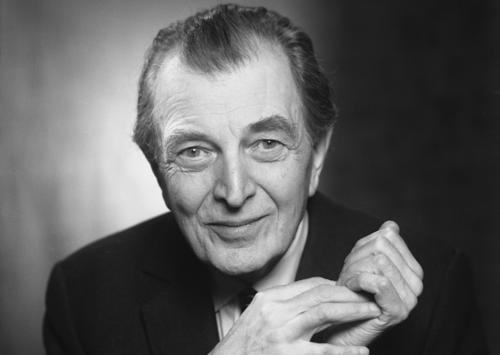
Alexander Tcherepnin discusses his career
Nov. 10, 1959 Russian composer Alexander Tcherepnin discusses his early upbringing, training, and composing bagatelles in Saint Petersburg, as well as the influence of his composer father, Benois family relatives, Russian/Asian/European cultural influence, electronic music.
-

-
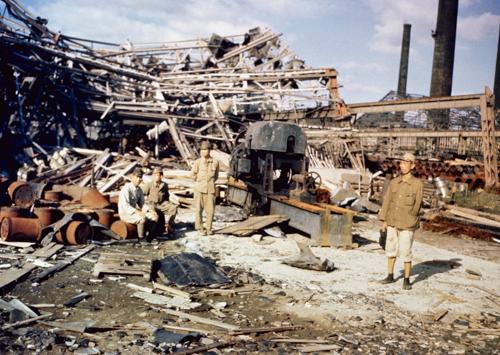
William Craig talks to Studs Terkel
William Craig discusses his book "The Fall of Japan: The Final Weeks of World War II In the Pacific." He speaks mostly on the atomic bombings of Hiroshima and Nagasaki. Includes several excerpts from the book.
-
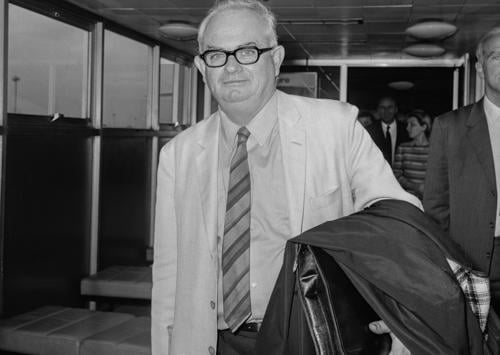
Wilfred Burchett discusses about his career on journalism
Oct. 24, 1977 Wilfred Burchett (an Australian journalist) discusses his journalism career. He was reporting conflicts in Asia (North Korea, Vietnam, China and Japan) and their Communist supporters. He speaks briefly about his experiences in Nazi Germany and concentration camps. Towards the end of the interview he talks about his interest in learning and reporting more about the new euro-communism (prominent in Italy, Spain and France).
-
Discussing the Persian Gulf War with Rev. Howard Schomer
Jan. 31, 1990 A theologian and civil rights activist, Schomer refused ministerial exemption from the draft during World War II and, instead chose to register as a conscientious objector.
-
William Shirer discusses his book “Twentieth Century Journey: 1930-1940: Volume II”
Jun. 1, 1984 Discussing the book "Twentieth century journey: 1930-1940" with the author William Shirer.
-
Interviewing Yehuda Lev
Jan. 17, 1963 Journalist and columnist Yehuda Lev reported on the trial of Holocaust perpetrator Adolph Eichmann for WFMT. Here, he joins Studs to discuss the aftermath of the trial and the importance of covering such issues.*Please note: some sections have been edited out from the original recording due to copyright considerations
-
Fred Freed discusses the atom bomb
Author Fred Freed discusses the history of the atom bomb, its impact on the world, and the scientists involved in its making. He also touches on Japan during World War II and the bombings of Hiroshima and Nagasaki.
-
John Tateishi talks about his book "And Justice for All"
Jun. 22, 1984 Tateishi discusses his collection of oral histories by Japanese-Americans who were interned in 1942. Includes excerpts from Minoru Yasui, Yoriko Hohri (featured in "The Good War"), Peter Ota and a friend of Studs' who was ordered to terrorize Japanese-Americans as part of his military duty.
-
Paul Boyer discusses his book "By the Bomb's Early Light"
Jan. 9, 1986 In the book, "By the Bomb's Early Light: American Thought and Culture at the Dawn of the Atomic Age," Paul Boyer covers people's feelings and attitudes after the bomb was dropped in Hiroshima. Boyer admits he, himself, when he was a young boy, he sent away for a free atomic ring that was being advertised. The program includes an excerpt of David Lilienthal talking.