Listen to New Voices on Studs Terkel our partnership with 826CHI-here! Read the Story


Showing 1 - 10 of 22 results
-
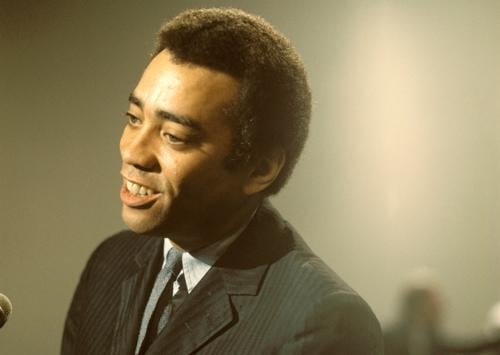
Presenting music with Oscar Brown, Jr
Jun. 6, 1977 Music performance by Oscar Brown, Jr.
-

Willie Dixon and Koko Taylor discuss the blues and how you create blues music
1982 Studs interviews Willie Dixon and Koko Taylor about the blues. They discuss their song "Insane Asylum" and their work together. Dixon uses his song "Little Red Rooster" to help explain how the blues are created from life experiences. Taylor reflects on singers like Willie Dixon, Memphis Minnie, and others who influenced her desire to sing the blues. Taylor also discusses European audiences and blues influence there. The musical numbers are removed from this edited version of the original recording.
-
Phyl Garland discusses themes from her book "Sound of Soul" and the black influence on music ; part 1
Nov. 25, 1968 Studs interviews Phyl Garland about her book "Sound of Soul." They discuss the history of music and how black music influenced white music. Studs reads a quote from her book where she quoted Lerone Bennett. Garland also reads from her book a few times. They discuss how music changed over time for blacks from spirituals to slave songs to the blues because it was a reflection of their lives. Garland explains how blacks used music to help them through their trials and frustrations.
-
Phyl Garland discusses her book "Sound of Soul" and the history of black music in America ; part 2
Nov. 25, 1968 Studs interviews Phyl Garland about her book "Sound of Soul." They discuss various musicians that she mentions in her book and their influence on black music. Garland explains the music of young black artists and how commercialization of music gave blacks an opportunity that they would not have had otherwise. Garland talks about how Fannie Lou Hamer used music to express her message in the Civil Rights Movement and as a women's rights activist. Studs and Garland discuss various black female artists and their music.
-
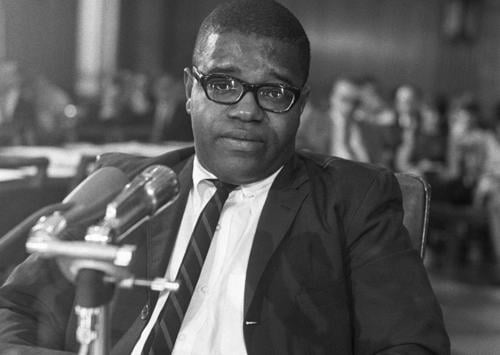
Claude Brown talks with Studs Terkel
Sep. 13, 1965 Discussing the book "Manchild in the Promised Land" with Claude Brown. Brown also discusses growing up in Harlem, New York as an African American man. Includes a clip of a man speaking from the county jail. Includes a song sung by Mahalia Jackson. Includes a clip of children singing.
-
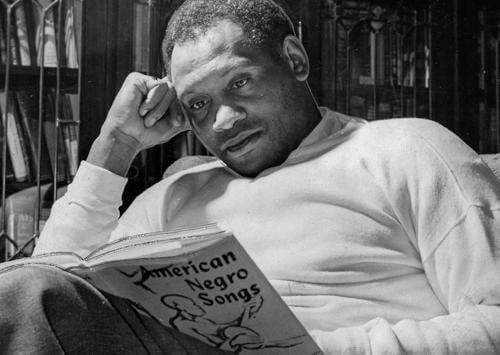
Gathering of friends discussing Paul Robeson
May. 8, 1970 Recorded live on Chicago's South Side. Robeson is ill at the time of recording. Speakers: Earl Dickerson, Etta Moten Barnett, Judge Sidney Jones, J. Mayo "Ink" Williams, Joan Brown (possibly Abena Joan Brown), Charles Hamilton, Margaret Burroughs, [John Gray's sister], [Stevens?]
-
Studs Terkel joins the Evanston Township High Schools' "The spirit of soul" with musical director Avon Gillespie
1970 Studs Terkel listens in on Evanston Township High Schools', soul choral group, "The Spirit of Soul" as they rehearse for an upcoming concert. Musical director, Avon Gillespie, describes how the vocal improvisation of "The Spirit of Soul" singers brings an on the spot sense of joy. This reflection of African Heritage through song closes the gap between Africa and American shores and teaches Black people that their heritage is real, alive, and strong!
-
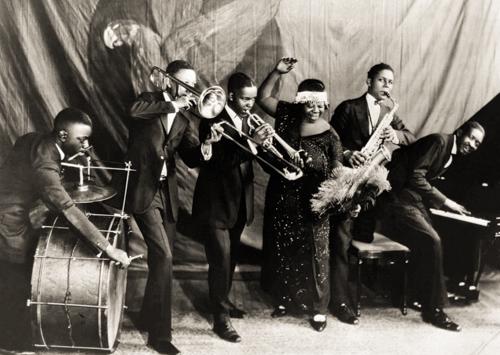
Sandra Lieb discusses the book "Mother of the Blues: A Study of Ma Rainey"
Jan. 12, 1982 Sandra Lieb discusses the book "Mother of the Blues: A Study of Ma Rainey." Includes songs sung by Ma Rainey such as "Runaway Blues," "See See Rider," "Moonshine Blues," and "Oh, Papa Blues." Includes poem "Ma Rainey" by Sterling Brown. Includes "Oh, Daddy," by Ethel Waters. Includes "Young Woman's Blues" by Bessie Smith.
-
Members of the Shanghai Quartet discuss their backgrounds
May. 17, 1989 The day before their concert performance at North Park College, the Shanghai Quartet was at the WFMT studios. Betty Bucchari explained her job was to search for great musicians that were not well-known. The Li brothers were destined to play the violins, as their parents were music teachers for 15 years.
-
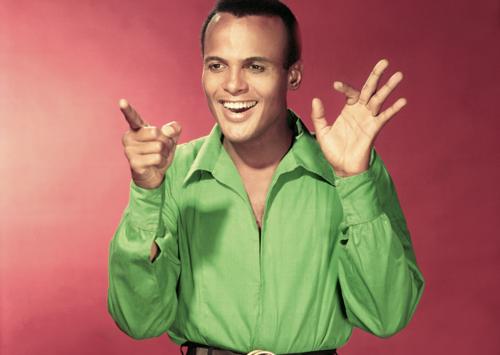
Harry Belafonte discusses jazz and folk music ; part 1
Jan. 6, 1955 Singer Harry Belafonte discusses Black music including spirituals and jazz and how it has contributed to American culture.