Listen to New Voices on Studs Terkel our partnership with 826CHI-here! Read the Story


-

Rita Streich discusses her musical performances and the composers
Jul. 19, 1967 Studs interviews Rita Streich, and they discuss the meaning of some of her operas and lieds. Streich names Erna Berger and Maria Ivogun as her best teachers, and she speaks a little about her family. Studs and Streich read part of the poem, "The Nut Tree" by Robert Schuman. Streich reads a part of "Brahms Lullaby" and "Shepherd On the Rock" by Franz Schubert. She also discusses the difference between opera in her day compared to opera at the time of the interview. The musical pieces are removed from this edited version of the original recording.
-
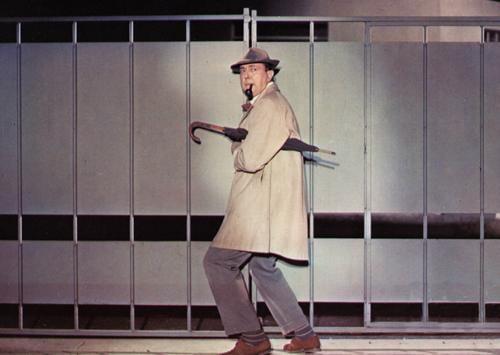
Studs Terkel discusses the film "Mon Oncle"with creator Jacques Tati
Dec. 12, 1958 Studs Terkel reintroduces this 1958 broadcast with Jacques Tati in a 1992 rebroadcast. At 39:06, Terkel includes a musical epilogue to the conversation with Jacques Tati with French children's songs such as "Cadet Rousselle". Tati discusses his films "Mr. Hulot's Holiday" and" Mon Oncle" and his emphasis as writer, director, actor, and producer to maintain a naturalness. He doesn't want lights, cameras or action to influence the actors. Naturalness will respect independence and keeping it simple and real will create pride and invite people in.
-
Birgit Nilsson during her time playing Leonore in Fidelio at the Lyric Opera of Chicago ; part 1
Nov. 15, 1961 Studs Terkel interviews Birgit Nilsson during her time playing Leonore in Fidelio.
-
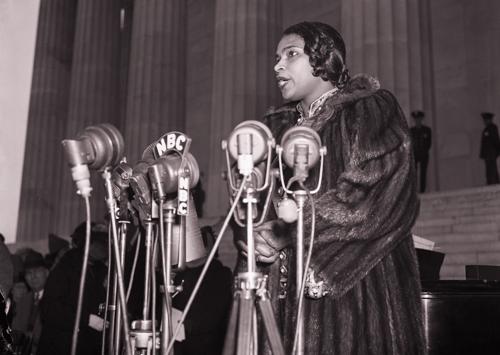
Interviewing Marian Anderson and James DePreist ; part 2
1966 Marion Anderson, soloist, and James DePreist, conductor, sit down with Studs Terkel prior to their Grand Park Weekend Concert where "Berjack Symphony No. 2 or 7" will be played with the 'Copland Preamble for Solemn Occasion" as well as a group of Negro Spirituals with "Ava Maria". Marian Anderson begins the interview by singing "Erlkonig" and concludes with "Ava Maria". She discusses the early influence of the first Negro arts singer, Roland Hayes had on her in Philadelphia and his "He Never Said a Mumberlin' Word" is played. Both Anderson and DePreist discuss how song becomes drama.
-
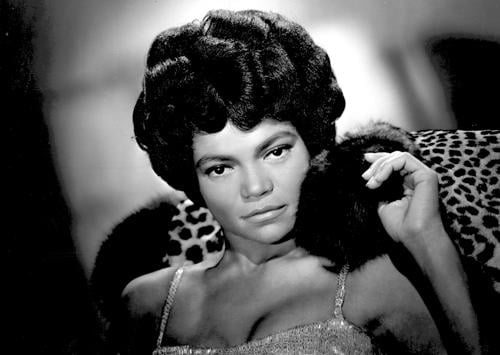
Eartha Kitt discusses her music career ; part 2
Jul. 10, 1962 Studs Terkel continues to interview actress and singer Eartha Kitt. Part 2 of the interview begins with the song "Üsküdara", and ends with "Mountain High, Valley Low", both sung by Kitt. Kitt discusses the following; her career; her desire to entertain; her autobiography, "Thursday's Child"; her mothers death; the art of interacting with the audience; the femme fatale; her time with the Katherine Dunham Dancers; and her portrayl of Helen of Troy.
-
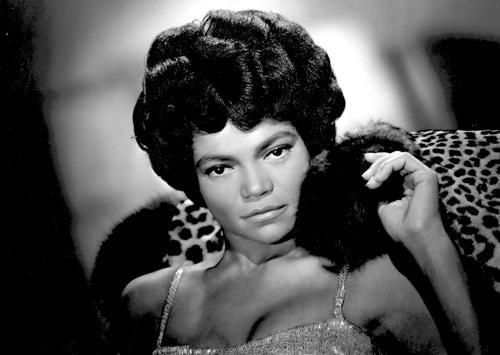
Eartha Kitt discusses her music career ; part 1
Jul. 10, 1962 Studs Terkel interviews actress and singer Eartha Kitt. The program begins with a musical selections sung by Kitt, "C'est Si Bon". Kitt discusses the following; her career; how the songs she sings are interpreted and preferred by people of different nationalities; what led her to be an international star; her childhood; her meeting with Albert Einstein;
-
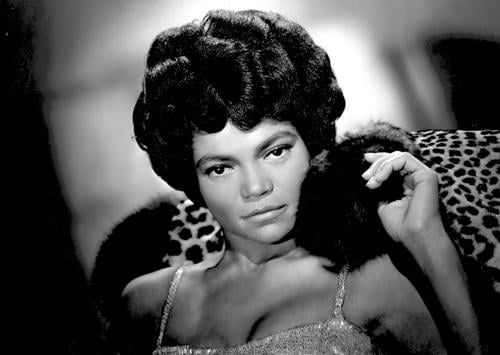
Eartha Kitt discusses her music career ; part 3
Jul. 10, 1962 Studs Terkel continues to interview actress and singer Eartha Kitt. Part 3 of the interview begins with Kitt discussing the following; her career; her international travels; and linguistic abilities.
-
Thom Bishop discusses the musical revue "Suburbs of Heaven"
Feb. 7, 1979 Interviewing the cast of the musical revue "Suburbs of Heaven," songwriter Thom Bishop, singers Marty Peifer and Megon McDonough. Songs include "Mr. Arthur's Place," "Why Not Talk to Me?" "The Telephone Song," "Just Because You Didn't See Me," "Suburbs of Heaven," "Times I Tried to Love You," "Amateur Night/New Year's Eve," and "Somebody Feels the Water."
-
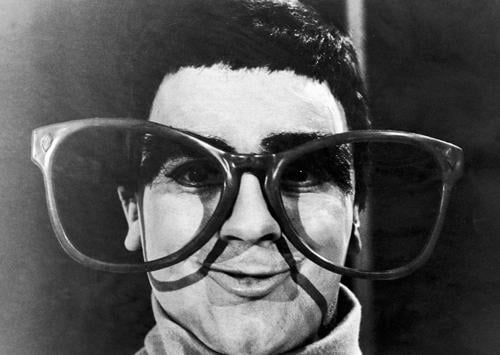
Dudley Moore discusses his background and influences
Jan. 6, 1963 When he was a child, Dudley Moore first wanted to study the violin. He's grateful to his mother for insisting that he first study the piano. Moore said his influences include Bach and Garner. Unlike other musicians, Moore's main focus has always been on the beat, both the cultivation and the presence of the beat of a song and of music.
-