Listen to New Voices on Studs Terkel our partnership with 826CHI-here! Read the Story


-
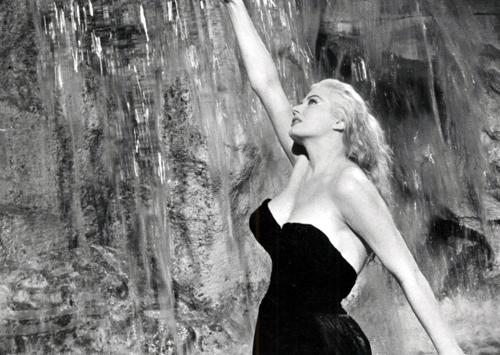
Federico Fellini and actors discuss their film "La Dolce Vita" and the character Steiner
Dec. 1, 1962 Studs Terkel plays interview clips of actors [Marcello Mastroianni and Alain Cuny] and the director Federico Fellini discussing their film "La Dolce Vita" and the character Steiner. At the beginning of the program Studs Terkel interviews Nelson Algren, a writer, and Mario Devecki (a person who made the film "La Dolce Vita" happen) about La Dolce Vita and Steiner.
-

Simone Signoret, Simone de Beauvoir, Francoise Rosay in conversation with Studs Terkel
Jul. 7, 1989 Excerpts of interviews with Simone Signoret (actress and author), Simone de Beauvoir (author), and Francoise Rosay (actress).
-
Discussing the autobiography "Laurence Olivier: A Biography" with the author Donald Spoto
Mar. 11, 1992 Program includes excerpts of speeches from "Henry V" and "Hamlet Speak the Speech".
-
John Bird and Eleanor Bron discuss television and the theatre ; part 2
1962 Eleanor Bron explained that audiences want something new from actors all the time. Bron said she was leery of all the newness because people would get bored. John Bird added that at times, it's difficult to be creative. In the end, they both spoke of their looking around for a two-person show to do together.
-
John Bird and Eleanor Bron discuss television and the theatre ; part 1
1962 Eleanor Bron said television provided its audience with too many facts. Bron also said it’s dreadful to hear about all the misery and tragedy going on in today’s world. In contrast, John Bird said the television offered its audience an opportunity to learn more about world affairs. Switching to the topic of theatre, Bron said she preferred working in the theatre because, as an actor, she has more control over what’s done at every performance. In contrast again, Bird said he did not like acting on the stage.
-
Morris Carnovsky, Phoebe Brand, and Randall Kim discuss acting and theater
May. 15, 1989 Content Warning: This conversation has the presence of outdated, biased, offensive language. Rather than remove this content, we present it in the context of twentieth-century social history to acknowledge and learn from its impact and to inspire awareness and discussion. Actors Morris Carnovsky, Phoebe Brand, and Randall Kim discuss their various roles in theater, Shakespeare’s plays, and their work at the American Players Theater in Chicago.
-
Lilli Palmer discusses her book "The Red Raven"
Nov. 13, 1978 Lilli Palmer, actress and writer, discusses her life and her book, "The Red Raven." She talks about growing up in Germany, some of her film and play work, and her personal life.
-
-
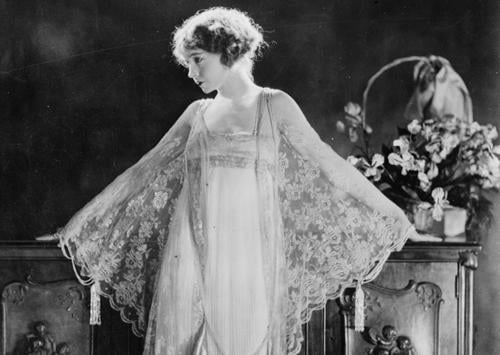
Lillian Gish discusses the play "Passage to India" and her career
Jan. 16, 1963 Actress Lillian Gish joins Studs Terkel to talk about her role in the play “Passage to India.” Gish connects the play based on a book by E. M. Forster to “Uncle Tom’s Cabin,” and discusses the relevance and importance of historical works like those mentioned. Studs asks Gish about working with D. W. Griffith, and the two praise Griffith’s impact on the world of film; Gish comments on her experience with working with Charles Laughton too.
-
Marlon Brando discusses his views on mankind ; part 2
Apr. 19, 1963 Content Warning: This conversation includes racially and/or culturally derogatory language and/or negative depictions of Black and Indigenous people of color, women, and LGBTQI+ individuals. Rather than remove this content, we present it in the context of twentieth-century social history to acknowledge and learn from its impact and to inspire awareness and discussion. In a surprising twist, Marlon Brando asks Studs Terkel why he is so obsessed with asking people so many questions and Terkel’s reply was curiosity.