Listen to New Voices on Studs Terkel our partnership with 826CHI-here! Read the Story


Showing 11 - 20 of 205 results
-
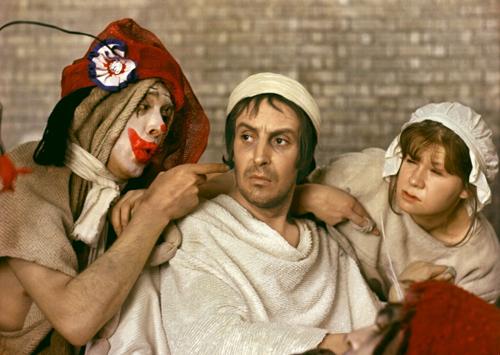
Composer Richard Peaslee discusses his work for the film "Marat/Sade"
Feb. 1, 1967 Richard Peaslee discusses his work as a composer in the film "Marat/Sade" directed by Peter Brook and based off Richard Weiss' 1964 play.
-
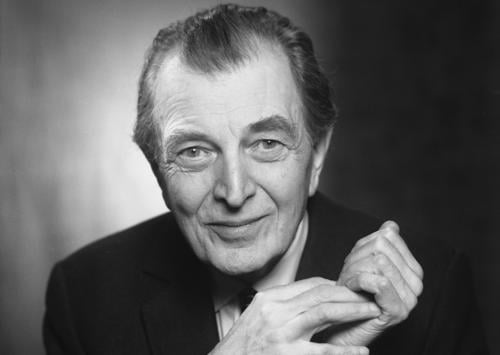
Alexander Tcherepnin discusses his career ; part 1
May. 21, 1962 Russian composer Alexander Tcherepnin discusses his early upbringing, training, and composing in Saint Petersburg, as well as the influence of his composer father, Benois family relatives, and associates of Ballet russes.
-
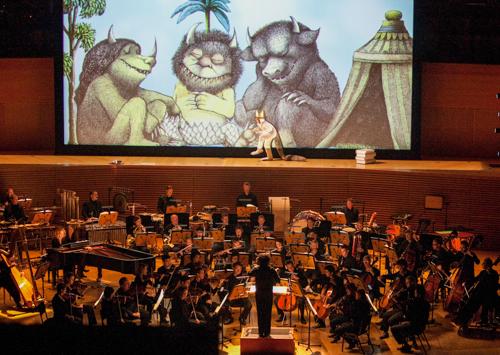
Composer Oliver Knussen discusses his opera adaptation of "Where the Wild Things Are"
Dec. 13, 1988 Oliver Knussen discusses his adaptation of "Where the Wild Things Are", which was beginning production at the Chicago Opera Theater, Chicago.
-

Easley Blackwood, David Schrader and Ramon Salvatore in discussion with Studs Terkel about music
Apr. 14, 1993 Presenting music published by Chicago record label Cedille Records including the music of composer and pianist Easley Blackwood along with David Schrader and Ramon Salvatore.
-
Elsa Charleston and Abraham Stokman discuss classical music
Nov. 24, 1975 Presenting music soprano Elsa Charleston and pianist Abraham Stokman.
-
Abraham Chasins discusses the vibrant and creative life of Leopold Stokowski and his book, “Leopold Stokowski: A Profile”
Nov. 8, 1979 Studs interviews Abraham Chasins about his book, “Leopold Stokowski: A Profile.” They discuss Stokowski’s life in great detail as they discuss different parts of the book. Chasins describes the amazing career and life of Stokowsky who revolutionized the symphony orchestra. Studs reads a few excerpts from the book. Chasins shares some background behind some of the stories from his book. Studs and Chasins discuss the various orchestras Stokowsky worked with. Chasins notes that Stokowski taught his audience how to behave and never used a baton when he conducted.
-
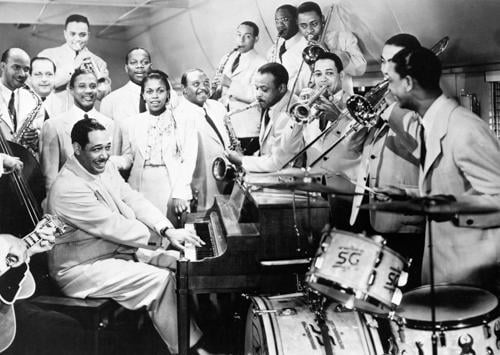
Harriet Choice discusses the career of Duke Ellington and promotes the Grant Park 5th Annual Tribute to Duke Ellington concert
Aug. 25, 1978 Studs interviews Harriet Choice, Jazz critic for the Chicago Tribune. They reflect on the music, talent and career of Duke Ellington. Choice describes several Ellington songs and the history behind them. She shares how Duke created music and wrote specifically for individual people. Studs reads what Ellington wrote about his song “Harlem Airshaft.” Choice and Terkel reflect on Ellington’s music and those who made music with him. Choice shares how a Duke Ellington performance at the Newport Jazz Festival rejuvenated Ellington’s career.
-
Barbara Cook discusses her musical Broadway career and shift into opera with her soprano voice
Feb. 13, 1981 Studs interviews Barbara Cook about her work in musical theater from Broadway to opera. Cook speaks about the composers and writers she has worked with. She explains some of her songs such as “Ice Cream” and “Grass Harp” and describes her first Carnegie concert. Studs quotes Leonard Bernstein, who speaks to Cook’s talent. Cook describes how she went from Broadway to opera and shares how she chooses the songs that she performs. She discusses the art of her talent. The musical pieces are removed from this edited version of the original recording.
-
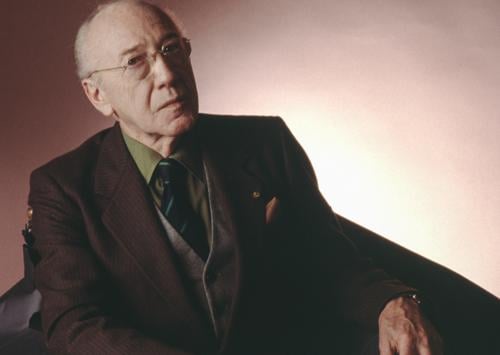
David Diamond discusses his training, influences and work as a classical composer
May. 28, 1975 Studs interviews David Diamond who is in Chicago for a concert at Thorn Hall. Diamond reflects on his family background and his exposure to diverse theater and movies of a variety of cultures that influenced his music. He explains his training and how he uses emotion and then structure to create his work. Studs and David discuss McCarthyism and its affect on performers and the personal affect it had in Diamond's life. The musical pieces are removed from this edited version of the original recording.
-
George Flynn discusses his career as a contemporary American composer and explains how worldly events influence his compositions
Nov. 1, 1982 Studs rebroadcasts an interview he did five years ago with George Flynn, composer and head of the music department at DePaul University. Flynn explains the creative part of his music and how worldly events such as the Vietnam War help him and other musicians like him, write their avant-garde music. Flynn defines some of his compositions that include: "Wound," "American Rest," and "Canal." He shares the people and events in his life from a teenager who have influenced his work.