Listen to New Voices on Studs Terkel our partnership with 826CHI-here! Read the Story


Showing 1 - 10 of 38 results
-
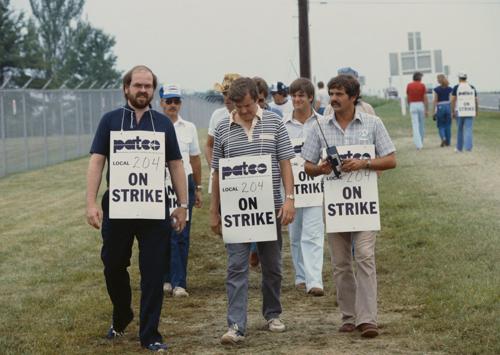
Jim Paulei of PATCO discusses the air traffic controller's strike and describes a day on the job
Oct. 5, 1981 Mr. Paulei talks with Studs about the air traffic controllers strike in 1980 and subsequent firing of over 1000 air traffic controllers. They discuss what a normal shift as an air traffic controller consists of, and the unions reasons for the strike in 1980.
-
-
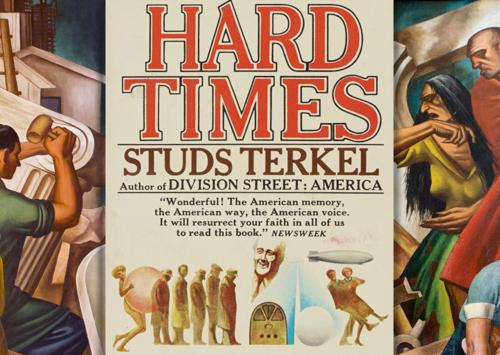
Inteviewees discuss a variety of topics from the Hard Times: an Oral History of the Great Depression program; excerpts part 3
Excerpts from different episodes of "Hard Times: an Oral History of the Great Depression". Concerning The New Deal: Ed Paulsen talks about conflicting feelings regarding the New Deal and how the government seemed more present in daily life. Gardner C. Means explains how the New Deal was created to help save the country. Joe Marcus remembers feeling like his ideas were valued and were making a difference in his government job. John Beecher talks about working in the transient camps.
-
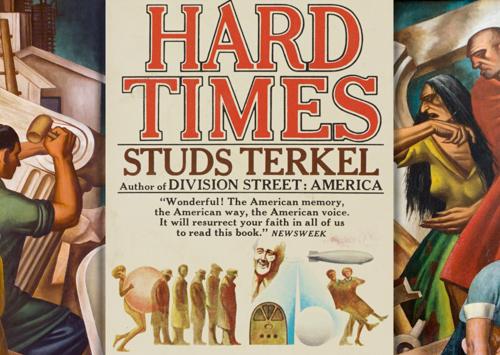
Inteviewees discuss a variety of topics from the Hard Times: an Oral History of the Great Depression program; excerpts part 1
Excerpts from different episodes of "Hard Times: an Oral History of the Great Depression". A Fairy Tale: Montage of young voices that talk about their parents' stories of surviving the Depression. The March: Jimmy Sheridan talks about what life was like on the rails as part of the Bonus March. Born Losers: Ed Paulsen discusses trying to find work in San Francisco and upon failing, marching to City Hall, which then led to rioting with the police. Hard Travelin': Pauline Kael remembers her mother feeding beggars that came to the back door.
-
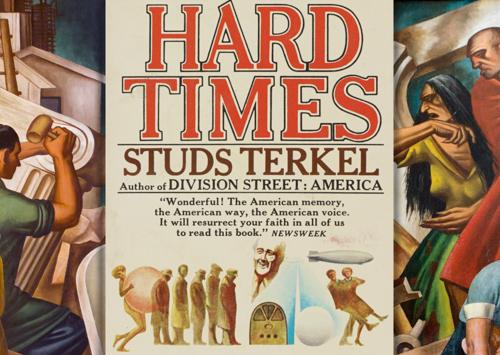
Inteviewees discuss a variety of topics from the Hard Times: an Oral History of the Great Depression program; excerpts part 2
Excerpts from different episodes of "Hard Times: an Oral History of the Great Depression". Bonnie Laboring Boy: Joe Morrison talks about generational differences in laborers. Evelyn Finn talks about trying to unionize at clothing factories. Two Strikes: Jose Yglesias talks about strikes in cigar factories and the lifelong stigmas of strikebreakers. Bob Stinson discusses working at General Motors and the sit-down strike. The Farmer is the Man: Oscar Heline explains farmer's actions in response to farm foreclosures.
-

Lew Kreinberg, German (Herman) Leyte, and Nate Duncan discuss Maxwell Street, Chicago
Dec. 8, 1993 Discussing Maxwell Street with Lew Kreinberg and vendors German (Herman) Leyte, and Nate Duncan.
-
A young white cabbie talks with Studs Terkel
Mar. 26, 1962 Interviewing a young white cabbie and farewell comments on the plane ride home when Studs traveled home from Montgomery, Alabama.
-
Interview with Tom Ramsay
1970 Interviewing labor organizer Tom Ramsay while Studs was in Lexington, Kentucky.
-
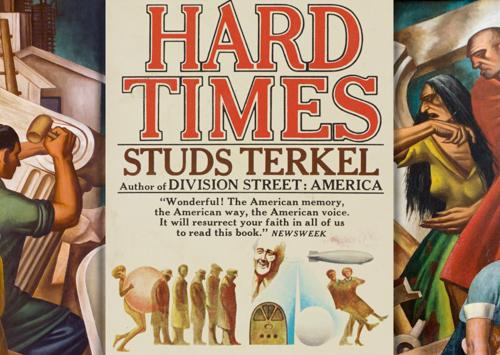
Terkel comments and presents "Hard Times: an Oral History of the Great Depression" ; Chapter 7
1971 Presenting "Hard Times: an Oral History of the Great Depression" High Life, Sixteen Ton: Chapter 7. Sally Rand talks about the creation of her signature fan dance and predictions for future depressions. Doc Graham discusses his upbringing, Chicago mobs, and Count Victor Lustig. Tony Soma talks about prohibition before and after the 1929 crash. Jerome Zerbe talks about inventing paparazzi photography, spending 2 weeks working in a coal mine, and the New Deal. Buddy Blankenship recalls working 16 hour days in West Virginia coal mines. Mary Owsley remembers life as a coal miner's wife.
-
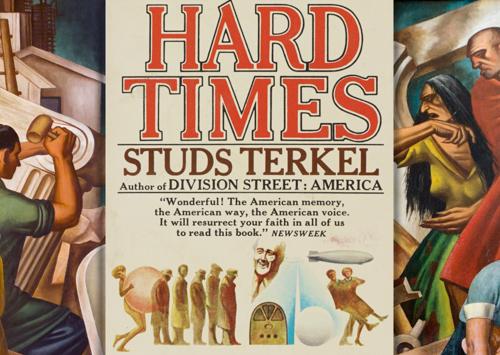
Terkel comments and presents "Hard Times: an Oral History of the Great Depression" ; Chapter 1
1971 Presenting "Hard Times: An Oral History of the Great Depression" Chapter 1: A Fairy Tale. Montage of young voices that talk about their parents' stories of surviving the Depression. The March: Jimmy Sheridan explains the origins of the Bonus March and what life was like on the rails. The Song: Edgar Yipsel (Yip) Harburg talks about writing "Brother, Can You Spare a Dime" while a version by the Weavers plays. Born Losers: Ed Paulsen discusses traveling the country to find work, march riots in San Francisco, and the relief felt as WPA projects and money began to lift burdens.