Listen to New Voices on Studs Terkel our partnership with 826CHI-here! Read the Story


Showing 1 - 10 of 28 results
-

Irwin Silber discusses music from the Civil War and his book “Songs of the Civil War” ; part 1
Jul. 1, 1960 Studs Terkel and Irwin Silber, a writer and Civil War historian, talk about music from the Civil War and Silber’s book “Songs of the Civil War.” This is the first part of the interview with Silber.
-
Irwin Silber discusses music from the Civil War and his book “Songs of the Civil War” ; part 2 ; followed by Abdullah Ariff discussing Malayan culture
Jul. 1, 1960 Studs Terkel and Irwin Silber, a writer and Civil War historian, talk about music from the Civil War and Silber’s book “Songs of the Civil War.” This is the final part of the interview with Silber. A brief interview with Malayan artist Abdullah Ariff follows the Silber interview. Ariff discuss Malayan culture and the artwork he has on display in the United States.
-

Erik Bye discusses the history of Norwegian immigration to America in the 19th century and his work as a television journalist and singer
Aug. 18, 1975 Studs interviews Erik Bye about Norwegian immigration to America and his music. They discuss the reasons why people left Norway in the 19th century and the conditions they suffered when they settled in New York. Bye explains Norwegian history and why the Norwegians moved from the American east coast to the west. Studs notes that Bye is in Chicago to gather information to produce a Norwegian television documentary about early Norwegian immigrants. Bye shares his interpretations of some of his songs and explains Norwegian music.
-
Terkel comments and presents musical performance of old jazz duets with Don DeMichael
Sep. 20, 1978 Don DeMichael, editor-in-chief of DownBeat, has brought a collection of jazz duets and critiques and evaluates the songs with Studs Terkel.
-
Ralph Gleason discusses jazz, jazz artists, and jazz festivals ; part 1
Jul. 31, 1971 Studs interviews jazz and pop critic, and founding editor of "Rolling Stone" magazine, Ralph Gleason while in Berkeley, California (3 parts). Topics include the history of jazz, blues, and jazz culture, and how race played in the development and distribution of the music. Songs include Louis Armstrong's "(I'll Be Glad When You're Dead) You Rascal You."
-
Ralph Gleason discusses jazz, jazz artists, and jazz festivals ; part 2
Jul. 31, 1971 In Berkeley, Calif., Ralph Gleason, jazz and pop critic, and founding editor of Rolling Stone, talks with Studs about the history of jazz and jazz artists. They talk in depth about Billie Holiday, white performers who imitated the style of black jazz singers, and jazz festivals. Songs include Holiday's "Them There Eyes" and "God Bless the Child."
-
Ralph Gleason discusses jazz, jazz artists, and jazz festivals ; part 3
Jul. 31, 1971 Interviewing Ralph Gleason while Studs was in Berkeley, California (3 parts). Bob Dylan and Joan Baez sings "Daddy, You Been on My Mind." Elsa Knight Thompson.
-
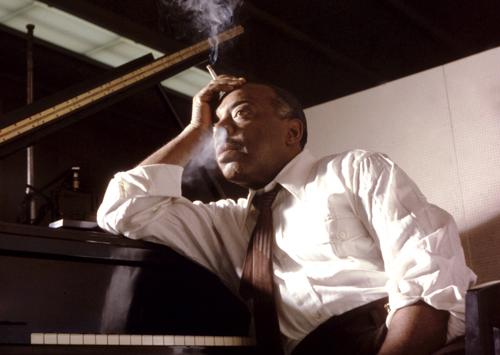
Studs Terkel and William (Bill) Leonard discuss their favorite memories of Frank Holzfeind and the Blue Note Jazz Club in Chicago
Jan. 9, 1975 Studs Terkel and William (Bill) Leonard share memories of the Blue Note Jazz Club as a tribute to Frank Holzfeind. Music is played throughout the episode: "After You've Gone" by the Benny Goodman Sextet, "The Flat Feet Floogie" by Slim and Slam, "How High the Moon" by Sarah Vaughan, "Destination K.C." by Count Basie, "West End Blues" by Louis Armstrong, "Lil' Augie Is A Natural One Man" by Chet Roble, and "Rock Skippin' at the Blue Note", Duke Ellington. Songs have been removed for copyright reasons.
-

Bob Greene discusses his book "Billion Dollar Baby"
Nov. 20, 1974 Journalist Bob Greene joins Studs Terkel to talk about his book “Billion Dollar Baby” and about his experience on tour with rock and roll band Alice Cooper. Greene talks about the band’s inception and their grotesque performance style, and comments on society’s (particularly the youth’s) acceptance and adoration of this band despite their violent message, and the irony of that adoration. Studs connects the band’s success to the society’s acceptance to the Vietnam War.
-
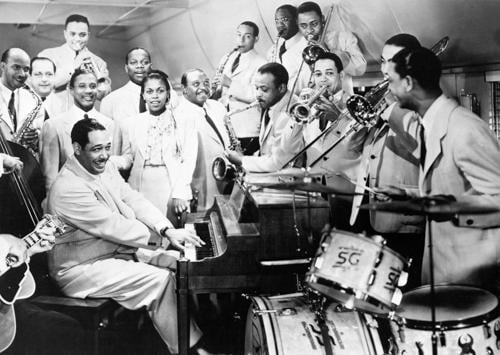
Harriet Choice discusses jazz
Aug. 7, 1978 Chicago Tribune jazz critic Harriet Choice plays and discusses some favorite records from her own personal collection with Studs Terkel.