Listen to New Voices on Studs Terkel our partnership with 826CHI-here! Read the Story


Showing 161 - 170 of 261 results
-

Harrison Salisbury discusses his book "The 900 Days: The Siege Of Leningrad" and Isabella Zorina discusses a trip to mass graves
Jul. 1, 1982 Harrison Salisbury discusses his book “The 900 Days: The Siege Of Leningrad” and the lasting impact of the siege on the Soviet Union and life in Leningrad during the siege. Salisbury reads a poem by Olga Bergholz.Isabella Zorina discusses a trip to mass graves, including the many young people who were also visiting, some as part of wedding ceremonies, and the music played at the graves. Terkel plays Beethoven's Symphony No. 3, conducted by Leonard Bernstein, at the end of the program.
-
Harrison Salisbury discusses his views on the constantly changing world of Russia ; part 1
Jun. 8, 1962 Being a correspondent for the New York Times in Moscow gave others the chance to see Russia through Harrison Salisbury's reporting. Inside their country, the people, says Salisbury, they have started to loosen up and they have started to talk to one another. The freedoms of the arts have come back, too.
-
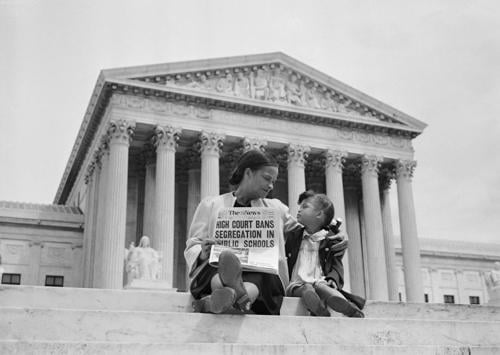
Ira B. Harkey discusses the south, civil rights, race relations, racism, his newspaper, and his career ; part 1
1966 Ira B. Harkey discusses the south, civil rights, race relations, racism, his newspaper, and his career. Includes Ira Harkey reading his writing from his newspaper the Mississippi "Chronicle-Star."
-
-
Rahul Barpute discusses his career and life experiences ; part 2
Aug. 29, 1963 Actor and editor of the newspaper Majhi Kahani, Rahul Barapute discusses his first impressions and experiences in the United States.
-
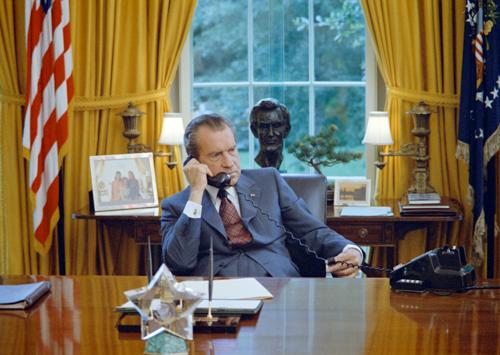
Frank Mankiewicz discusses his book "U.S. v. Richard M. Nixon: The Final Crisis"
Mar. 28, 1975 Frank Mankiewicz discusses the events surrounding the Watergate scandal and his new book, "U.S. vs Richard M. Nixon: The Final Crisis." A major theme of the book is the fact that legal issues were at the heart of the Watergate scandal, but the Nixon administration portrayed it as a public relations issue. Other topics of discussion include investigative journalism and the role of certain individuals in the prosecution of Richard Nixon.
-
Marya Mannes discusses book "But Will It Sell?" ; part 1
Dec. 1, 1964 Marya Mannes talks about her book But Will It Sell?, published in 1964. Mannes talks about American life and consumerism.
-
Marya Mannes discusses book "But Will It Sell?" ; part 2
Dec. 1, 1964 Marya Mannes discusses her book But Will It Sell?, published in 1964. Mannes talks about American life and consumerism.
-
Milton Mayer discusses the educational philosophy of Robert Hutchins
May. 27, 1977 Milton Mayer discusses the state of U.S. education and the educational ideas of Robert Hutchins.
-
Milton Mayer discusses Quakerism and the impact they have had on society
Dec. 27, 1974 Milton Mayer, journalist and educator, talks with Studs about Quakerism. They talk about how religion relates to society in the times of change. Mr Mayer describes an exchange with a gentleman who asked what is a Quaker. The man had been an SS officer who told Mr Mayer his story. The man had been touched by the anonymous generosity of the Quakers many years before. Mr Mayer speaks of A. J. Musty, clergyman and political activist as his mentor and friend, and the things he learned from him.