Listen to New Voices on Studs Terkel our partnership with 826CHI-here! Read the Story


Showing 331 - 345 of 365 results
-
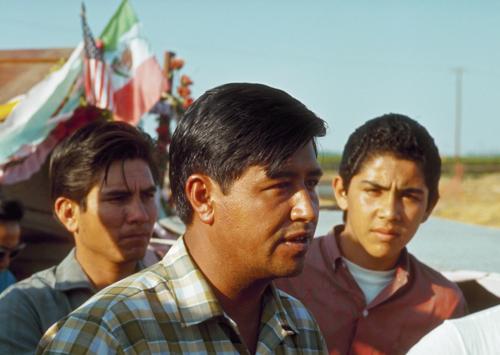
Cesar Chavez discusses farm labor rights
1967 Cesar Chavez discusses the United Farm Workers effort to gain rights for farm laborers and his childhood that led him to become a labor rights activist.
-

Caroline Bird discusses her book, 'Born Female: The High Cost of Keeping Women Down'
Caroline Bird discusses her book, 'Born Female: The High Cost of Keeping Women Down', published in 1968. Studs plays interviews from dissenters of the Women's Liberation Day and Caroline Bird responds. The discussion continues on issues of sexism and the future of the women in the workforce.
-
Carl Smith discusses his book "Urban Disorder and the Shape of Belief: the Great Chicago Fire, the Haymarket Bomb, and the Model Town of Pullman"
Feb. 27, 1995 Non-fiction author Carl Smith discusses his latest work which focuses on the history of Chicago. Topics covered include labor movements, specifically the Pullman strike and the 1970's case trial with the Chicago Seven.
-
Carl and Hallie Foster discuss living their lives in Newburgh, Indiana
1970 Carl and Hallie Foster talk about the good and the bad of Newburgh, Indiana. Having been a welder for most of his life, Carl Foster, reflects on the time he got sick while on the job. He had gotten cancer and had to be fed intravenously for six months. While he was out sick, the company did not compensate him. When asked about his hobby of growing banana trees, a true calm and passion takes over his personality, as noticed by Studs Terkel.
-
-
-
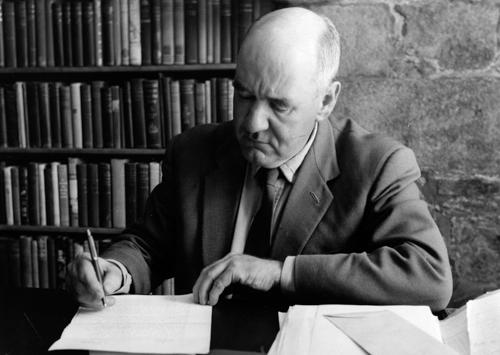
Buzz Hirsch discusses the film "Silkwood"
Jan. 6, 1983 Discussing the film "Silkwood" a movie about Karen Silkwood and the circumstances surrounding her death with movie producer Buzz Hirsch.
-
Bill Adelman, Paul Avrich, Carolyn Ashbaugh, and Bill Neebe discuss the Haymarket Square Riot
May. 2, 1986 Commemorating the centennial of the Haymarket Square Riot, or Haymarket Affair, are authors and historians Bill Adelman, Paul Avrich, Carolyn Ashbaugh, and the grandson of Haymarket defendant Oscar Neebe, Bill Neebe. The interveiwees create a timeline of the events leading up to the Haymarket Riot including the German immigrants living situations, unions and strikes, police brutality and corruption. The group also lays out the events from May 1st to May 5th and then the following corrupt trials.
-
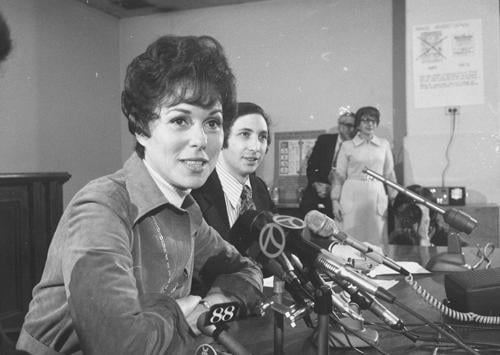
Bess Myerson discusses her career
Jun. 12, 1974 Bess Myerson discusses her career including her experiences as Miss America and as Commissioner of Consumer Affairs for New York City.
-
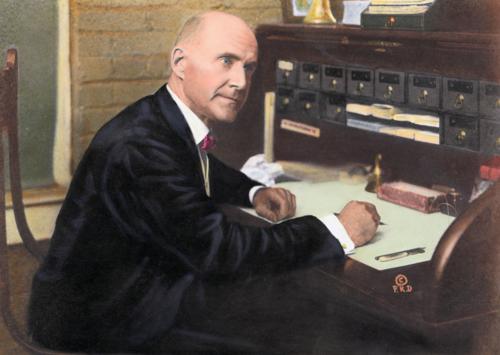
Bernard J. Brommel discusses his book "Eugene V. Debs: Spokesman for Labor and Socialism"
Oct. 6, 1981 Bernard J. Brommel discusses his book "Eugene V. Debs: Spokesman for Labor and Socialism."
-
Basil Davidson discusses Africa and his book "Lost Cities of Africa," part 2
British historian and writer Basil Davidson discusses Africa and his book "Lost Cities of Africa," part 2. This recording also includes a discussion with Anne Graham Bell and Tony Mott about London's youth (recorded while Studs was in England) beginning at 00:20:14. Mott and Bell portion of the interview cuts off abruptly at the end.
-
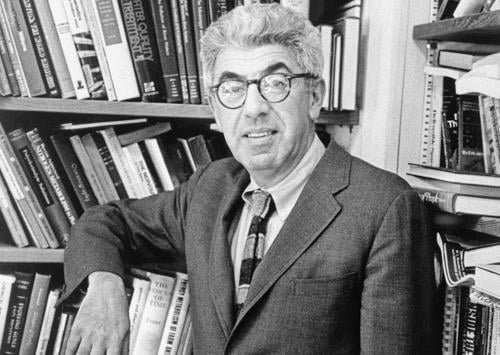
Barry Commoner discusses his book "The Politics of Energy"
Jun. 18, 1979 Scientist and educator Dr. Barry Commoner discusses his book "The Politics of Energy." Main topics include nuclear energy, solar energy, renewable energy and the future of energy.
-
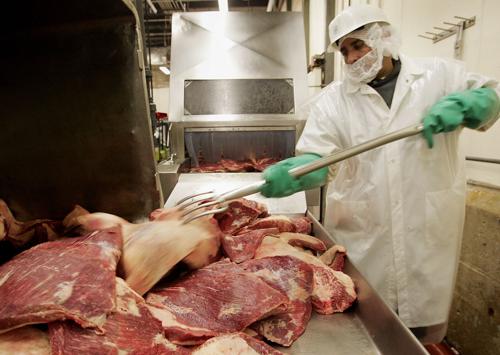
Barbara Kopple discusses her documentary "American Dream"
Mar. 20, 1992 Academy Award winning documentarian Barbara Kopple talks with Studs about her documentary "American Dream" and the battle fought and lost by union workers in Austin, Minnesota during the mid-80s. They set the backdrop in the small, tight-knit community that Hormel Foods had such a profound impact on, how the UFCW international union declined to support the local union, the gripping dynamics between family members who crossed picket lines, and the healing that occurred when the film was screened in the town several years later.
-
Barbara Kingsolver discusses her book "Holding the Line: Women in the Great Arizona Mine Strike of 1983"
Sep. 17, 1990 Since no men were allowed to picket against the Phelps Dodge Corp., Mexican American women showed up and according to Kingsolver’s book, “Holding the Line,” the picket lines were a brand new experience for the women. Some of the women had to get their husbands’ permission to picket. The group of women found their lives transformed not only with their cause but with new bonds of friendship from the other women.
-
Barbara Garson discusses her book "The Electronic Sweatshop"
Jun. 16, 1988 According to Barbara Garson's book, "The Electronic Sweatshop: How Computers are Transforming the Office of the Future into the Factory of the Past," companies are trying to make jobs so simple, as a result, kids in jobs are as replaceable as paper plates. Some companies don't want their employees to have to think but rather they need them to push buttons on machinery to get jobs accomplished.