Listen to New Voices on Studs Terkel our partnership with 826CHI-here! Read the Story


Showing 166 - 180 of 241 results
-

Harvey Phillips and Dr. Frederick Fennell discuss their holiday ensemble the TubaSantas
Dec. 13, 1994 Presenting music by the TubaSantas with Harvey Phillips and Dr. Frederick Fennell. Program may include a live performance. "Generic Version"-Re-edited on 12/6/1995
-
Harry Belafonte discusses jazz and folk music ; part 2
Jan. 6, 1955 The conversation continues with Belafonte talking about his album, "Belafonte Sings of the Caribbean". The songs, explained Belafonte, were both reflections of his childhood and things he was exposed to as an adult. Belafonte believed both Louis Armstrong and Jack Teagarden played important roles in jazz music.
-
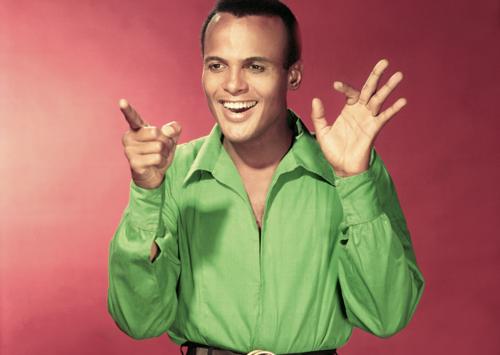
Harry Belafonte discusses jazz and folk music ; part 1
Jan. 6, 1955 Singer Harry Belafonte discusses Black music including spirituals and jazz and how it has contributed to American culture.
-
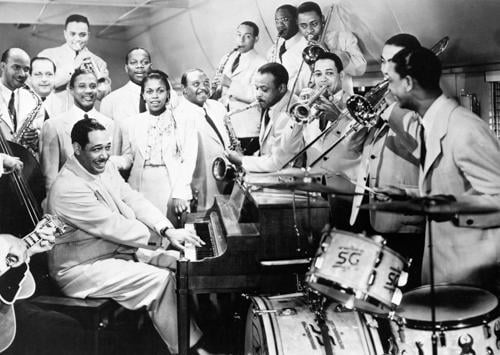
Harriet Choice discusses the career of Duke Ellington and promotes the Grant Park 5th Annual Tribute to Duke Ellington concert
Aug. 25, 1978 Studs interviews Harriet Choice, Jazz critic for the Chicago Tribune. They reflect on the music, talent and career of Duke Ellington. Choice describes several Ellington songs and the history behind them. She shares how Duke created music and wrote specifically for individual people. Studs reads what Ellington wrote about his song “Harlem Airshaft.” Choice and Terkel reflect on Ellington’s music and those who made music with him. Choice shares how a Duke Ellington performance at the Newport Jazz Festival rejuvenated Ellington’s career.
-
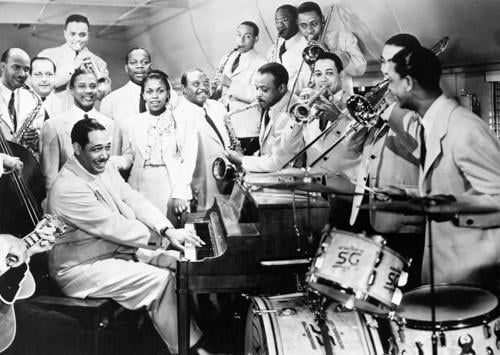
Harriet Choice discusses jazz
Aug. 7, 1978 Chicago Tribune jazz critic Harriet Choice plays and discusses some favorite records from her own personal collection with Studs Terkel.
-
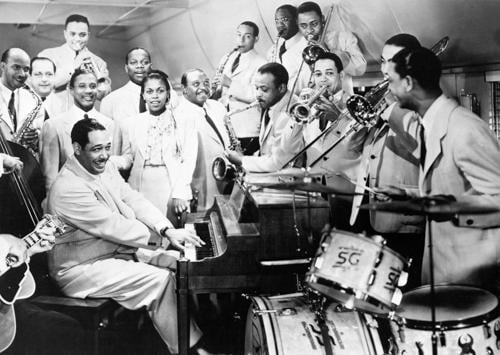
Harriet Choice discusses jazz
Aug. 7, 1978 Chicago Tribune jazz critic Harriet Choice plays and discusses some favorite records from her own personal collection with Studs Terkel.
-
George Shearing discusses his career as a jazz musician and his interpretations of songs from various composers
May. 10, 1979 Studs interviews George Shearing about his career and performances at Rick's Cafe in Chicago. Shearing shares the events and people who influenced his Jazz music. He describes European audiences and studio musicians. Studs quotes Leonard Feather, music critic, on Shearing's take on the song "San Jose." The musical pieces are removed from this edited version of the original recording.
-
-
Gana M'Bow discusses Senegalese folk music
Oct. 1, 1965 In addition to talking about Senegalese music, Gana M'Bow goes over the history of the "talking drum." M'Bow also plays various songs from Senegal and West Africa. Through the State Department, M'Bow was touring various cities across the US.
-
Erroll Garner discusses music and his career
Jul. 20, 1962 Erroll Garner, jazz pianist, talks about his music style and his career. He explains how he taught himself to play and how he creates new music. He continues to explain his unique style and how it compares to other jazz musicians.
-
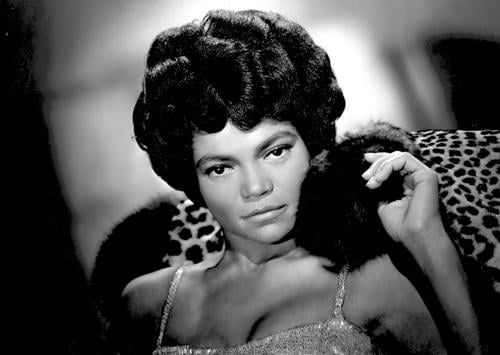
Eartha Kitt discusses her music career ; part 3
Jul. 10, 1962 Studs Terkel continues to interview actress and singer Eartha Kitt. Part 3 of the interview begins with Kitt discussing the following; her career; her international travels; and linguistic abilities.
-
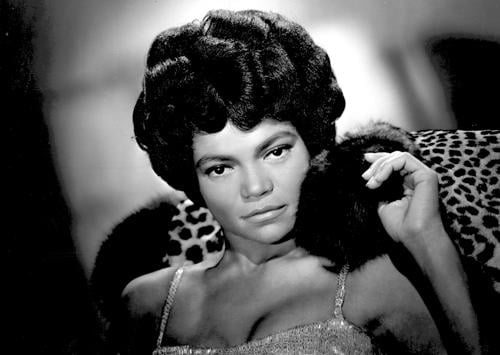
Eartha Kitt discusses her music career ; part 2
Jul. 10, 1962 Studs Terkel continues to interview actress and singer Eartha Kitt. Part 2 of the interview begins with the song "Üsküdara", and ends with "Mountain High, Valley Low", both sung by Kitt. Kitt discusses the following; her career; her desire to entertain; her autobiography, "Thursday's Child"; her mothers death; the art of interacting with the audience; the femme fatale; her time with the Katherine Dunham Dancers; and her portrayl of Helen of Troy.
-
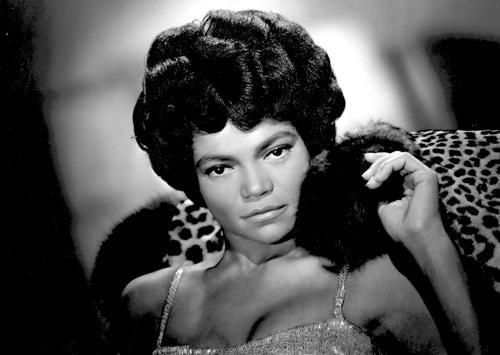
Eartha Kitt discusses her music career ; part 1
Jul. 10, 1962 Studs Terkel interviews actress and singer Eartha Kitt. The program begins with a musical selections sung by Kitt, "C'est Si Bon". Kitt discusses the following; her career; how the songs she sings are interpreted and preferred by people of different nationalities; what led her to be an international star; her childhood; her meeting with Albert Einstein;
-
Earl "Fatha" Hines and John McDonough discuss jazz music
Sep. 8, 1976 Earl "Fatha" Hines discusses various musicians he's worked with including Louis Armstrong, Charlie Parker, and Dizzy Gillespie. He remembers that bands became bigger after needing to add members to play bigger venues because people liked to dance. He also talks about how he liked to work to create shows and his approach to jazz composition. Music is played throughout: "Weather Bird" with Louis Armstrong, "My Monday Date", "Cavernism", "Boogie Woogie On St. Louis Blues", "Rosetta", and "Second Balcony Jump". Music has been removed from this file for copyright reasons.
-
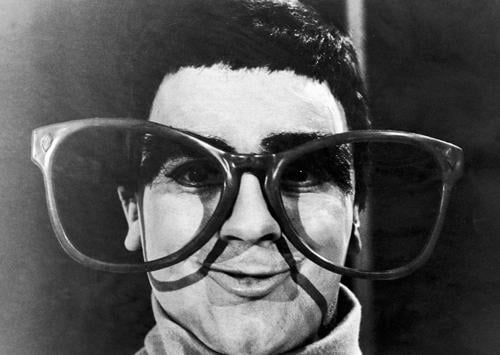
Dudley Moore discusses his background and influences
Jan. 6, 1963 When he was a child, Dudley Moore first wanted to study the violin. He's grateful to his mother for insisting that he first study the piano. Moore said his influences include Bach and Garner. Unlike other musicians, Moore's main focus has always been on the beat, both the cultivation and the presence of the beat of a song and of music.