Listen to New Voices on Studs Terkel our partnership with 826CHI-here! Read the Story


Showing 121 - 135 of 457 results
-
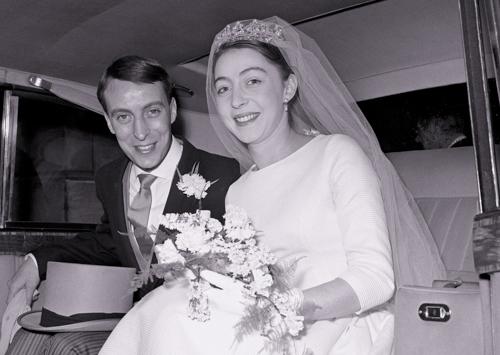
Maroussia Frank discusses "King Lear" and life in the theater
1960 Maroussia Frank analyzes Paul Scofield's performance as King Lear in the theater production as well as life in a theater company and her experiences as a member and a wife of a member.
-

Marlon Brando discusses his views on mankind ; part 3
Apr. 19, 1963 Content Warning: This conversation includes racially and/or culturally derogatory language and/or negative depictions of Black and Indigenous people of color, women, and LGBTQI+ individuals. Rather than remove this content, we present it in the context of twentieth-century social history to acknowledge and learn from its impact and to inspire awareness and discussion. In conclusion, Marlon Brando added that his being a famous actor posed an ugly and difficult burden to his son.
-
Marlon Brando discusses his views on mankind ; part 2
Apr. 19, 1963 Content Warning: This conversation includes racially and/or culturally derogatory language and/or negative depictions of Black and Indigenous people of color, women, and LGBTQI+ individuals. Rather than remove this content, we present it in the context of twentieth-century social history to acknowledge and learn from its impact and to inspire awareness and discussion. In a surprising twist, Marlon Brando asks Studs Terkel why he is so obsessed with asking people so many questions and Terkel’s reply was curiosity.
-
Marlon Brando discusses his views on mankind ; part 1
Apr. 19, 1963 Content Warning: This conversation includes racially and/or culturally derogatory language and/or negative depictions of Black and Indigenous people of color, women, and LGBTQI+ individuals. Rather than remove this content, we present it in the context of twentieth-century social history to acknowledge and learn from its impact and to inspire awareness and discussion. Self-righteousness and values are topics covered by Marlon Brando. Here in the states, Brando said, we are living a dream. We do not want strife in our lives, and yet he says it seems as though we seek it.
-
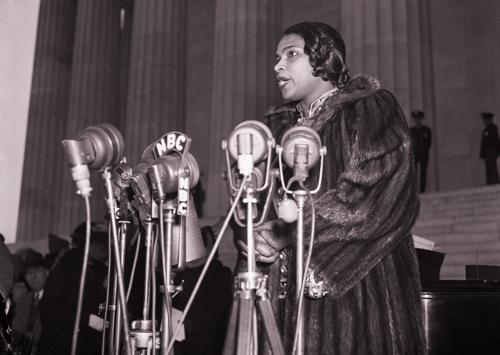
Marian Anderson and James DePreist discuss their experiences in music ; part 1
1966 Marian Anderson recalls singing on stage for the first time at the Metropolitan Opera House in 1957 and how it was the realization of a dream come true. Marion's nephew, James DePreist remembers being able to conduct a piece of music he had never conducted before because his aunt Marion had exposed him to it when he was a child. James said when his aunt Marion sung spirituals, he couldn't help but feel religious and he's an atheist.
-
Margaret Webster discusses Shakespeare and his plays
Apr. 21, 1961 American-British actress Margaret Webster, talks about the unsophisticated audience members that go to see plays by Shakespeare. Upon seeing a play, they're afraid to go at first but once they are there, they realize how much they are truly enjoying themselves.
-
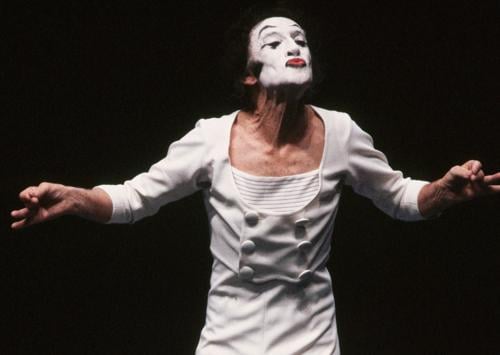
Marcel Marceau talks with Studs Terkel
Oct. 6, 1960 French actor and mime Marcel Marceau discusses the art of pantomime and many of his performances including "The Overcoat" by Gogol and "The Mask Maker". Marceau also discusses the history of pantomime, his inspirations, and how he came to be a mime.
-
Marcel Marceau talks about adapting his work to film
Oct. 17, 1974 The famed French mime and actor discusses illusion and reality, as depicted in the surrealist horror film, Shanks.*Please note: some sections have been edited out from the original recording due to copyright considerations
-
Marcel Marceau discusses the art of mime ; part 2
Mar. 21, 1973 Marcel Marceau, world renown mime, talks about when he performed in prisons in France, Germany, and Chicago, including death row inmates who he could not see. He also discusses moments where he met famous silent actors such as Charlie Chaplin, Harpo Marx, and Stan Laurel. They then discuss childhood and aging. Content Warning: This conversation has the presence of outdated, biased, offensive language. Rather than remove this content, we present it in the context of twentieth-century social history to acknowledge and learn from its impact and to inspire awareness and discussion.
-
Marcel Marceau discusses the art of mime ; part 2
Feb. 1, 1982 Marcel Marceau, a French mime, discusses the art behind mime including silence, humanity, and astonishment. Parts of an earlier interview with Marceau are also played.
-
Marcel Marceau discusses the art of mime ; part 1
1970 Marcel Marceau, world renown mine, discusses the art and history of pantomime. Marceau talks about mime throughout history from Ancient Rome to the 20th century. He discusses some well-known mimes such as Pierrot and Charlie Chaplin. From aging, to humor and tragedy, and different cultures, Marceau explores about how the art of mime affects and reflects society. They also discuss how Marceau created and plays Bip and how the audience interacts with his character.
-
Maggie Renzi and John Sayles discuss the movie "Return of the Seacaucus Seven"
Feb. 1, 1981 Discussing the movie "Return of the Secaucus seven" with Maggie Renzi and John Sayles.
-
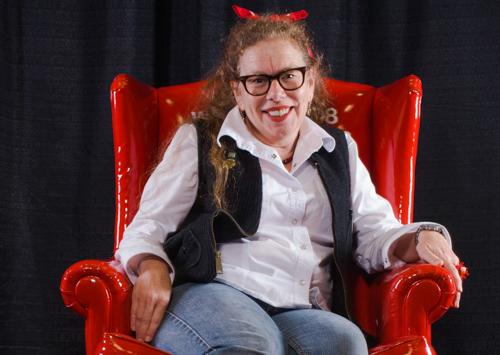
Lorell Wyatt, Glenda Starr-Kelly and Lynda Barry discuss "The Good Times are Killing Me"
Oct. 2, 1989 Best friends, white flight and racism are all apart of Lynda Barry's book, "The Good Times are Killing Me." Lorell Wyatt and Glenda Starr-Kelly reenact scenes from the play, which is playing at the Body Politic Theater. In the end, Barry's book showed power and privilege mattered more than friendship.
-
Lois Wheeler Snow discusses her book “China on Stage”
Actor and author Lois Wheeler Snow discusses her book “China on Stage,” and shares her experiences in China, primarily involving ballet, opera, and plays.
-
Lois Wheeler Snow discusses her book "China on Stage"
Dec. 19, 1972 The Peking Opera and "Taking Tiger Mountain by Strategy" are among topics discussed in Lois Wheeler Snow's book, "China on Stage: An American Actress in the People's Republic". While visiting China, Snow learned the Chinese plays were both of the traditionally old ways and of the new revolutionary ways. Snow also adds that performances of Chinese acrobatics is like nothing in the United States.