Listen to New Voices on Studs Terkel our partnership with 826CHI-here! Read the Story


Showing 46 - 60 of 64 results
-
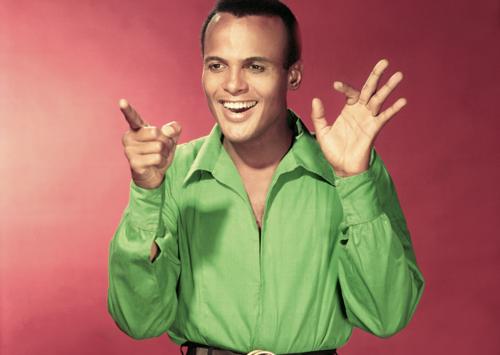
Harry Belafonte discusses jazz and folk music ; part 1
Jan. 6, 1955 Singer Harry Belafonte discusses Black music including spirituals and jazz and how it has contributed to American culture.
-
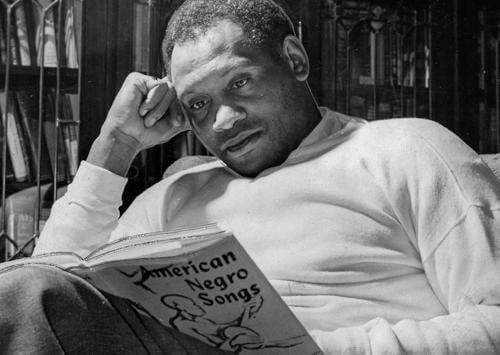
Gathering of friends discussing Paul Robeson
May. 8, 1970 Recorded live on Chicago's South Side. Robeson is ill at the time of recording. Speakers: Earl Dickerson, Etta Moten Barnett, Judge Sidney Jones, J. Mayo "Ink" Williams, Joan Brown (possibly Abena Joan Brown), Charles Hamilton, Margaret Burroughs, [John Gray's sister], [Stevens?]
-

-
Fleming Brown plays the banjo and discusses his career with Studs Terkel
Jan. 12, 1982 Fleming Brown, banjo player, discusses the influences Uncle Dave Macon, Pete Seeger, The Almanac Singers, and his teacher, Doc Hopkins had on him. He and Terkel also discuss the influence of WLS's Barn Dance radio show in Chicago and the Grand Ole Opry's WSM had on folk music. Fleming plays "Uncle Buddy" by Arthur Smith, to open and close the show. He also discusses the themes of Appalachian music such as lost love, mystery and murder, and plays examples for the audience.
-
Erroll Garner discusses music and his career
Jul. 20, 1962 Erroll Garner, jazz pianist, talks about his music style and his career. He explains how he taught himself to play and how he creates new music. He continues to explain his unique style and how it compares to other jazz musicians.
-
Ella Jenkins discusses her music and her influences
Dec. 7, 1963 Using a Trobriand drum and harmonica, Ella Jenkins plays examples of call and response music with Studs. A few of her popular songs play between their discussion. Ella explains how her music came to be from the Chicago neighborhood streets with influences from her Uncle and other blues and folk musicians. Songs played include "Tahboo," "Miss Mary Mack," "You'll Sing a Song and I'll Sing a Song," "Come Dance By the Ocean," and "Dulce." Songs have been removed due to copyright restrictions.
-
Ella Jenkins discusses call and response music
Jul. 17, 1993 Using past recordings, Ella discusses how she works with children to help them find their rhythms using call and response music and percussion. She explains the West African and Latin music influences within her own music. Music played includes Jenkins' own music such as "Miss Mary Mack," "Tahboo," and "Where Has My Little Dog Gone?" She also plays song written by Carl Orff and performed by the Chorus of the Children's Opera Group, such s "Pat-a-Cake," and "Name-Calling." Untitled West African music is also played. Music has been removed due to copyright restrictions.
-
Dr. Samuel Floyd, Jr. discusses Black music, history, and culture
Oct. 11, 1990 Interviewing Dr. Samuel Floyd, author and scholar of Black music. He discusses prominent Black musicians and composers who shaped their perspective genres.
-
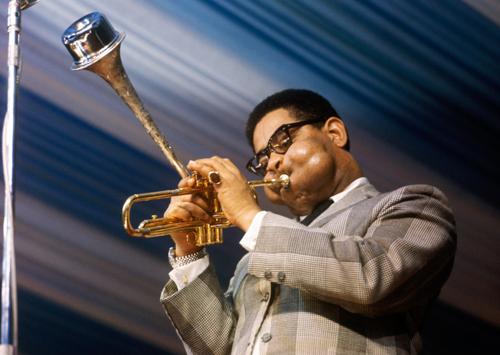
Dizzy Gillespie discusses the art of jazz ; part 1
Mar. 30, 1961 Part 1 of this program begins with Studs Terkel reading an excerpt from the book "Giants of Jazz" , which describes Dizzy Gillespie's early life. Gillespie discusses the following: the state of jazz; his fellow musicians; jazz contributors; jazz fundamentals; and his tours abroad. Gillespie's "Groovin' High" is played towards the end of this part of the program.
-
Discussing the work of Josephine Baker with Ivory Moss
Mar. 21, 1979 Program includes excerpts of performances by Baker.
-
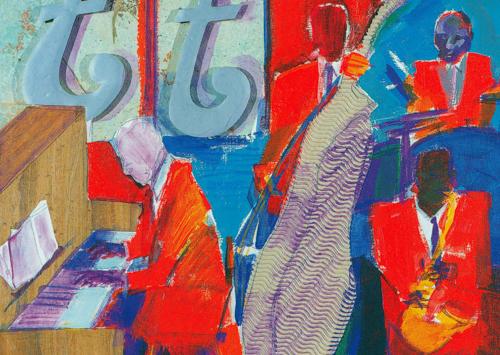
Discussing the book "Jazz Piano: History and Development" with Billy Taylor
Nov. 16, 1982 Studs Terkel and Billy Taylor discuss the book "Jazz Piano: History and Development". They discuss jazz musicians and the history of jazz music. Includes excerpts of drums, piano, and orchestra playing in the background.
-
-
-
Dempsey Travis discusses jazz artists and recalls his early memories of Chicago jazz
Feb. 1, 1989 Dempsey Travis presents a jazz program and discusses the life, the music, and the community of Chicago jazz from before The Great Depression until World War II. Travis discusses 1920s-1930s Chicago for Black families including rent parties, breakfast dances, employment opportunities, union strikes, and jazz.
-
Dempsey Travis discusses big band jazz players
Nov. 21, 1994 Dempsey Travis, real estate entrepreneur and civil rights activist turned historian and author, recalls his earlier days meeting and listening to many of the African American jazz artists. Some of the musicans mentioned are Louis Armstrong, Jimmie Lunceford, Fletcher Henderson, Duke Ellington, Earl Hines, Art Tatum, Cab Calloway, Nat King Cole, and Benny Goodman.