Listen to New Voices on Studs Terkel our partnership with 826CHI-here! Read the Story


Showing 1 - 15 of 69 results
-
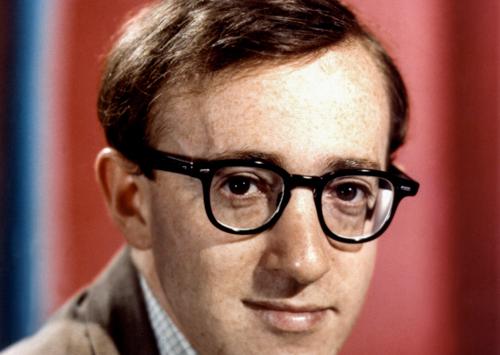
Woody Allen discusses his work as a comedic writer and performer
Jun. 1, 1965 Woody Allen discusses his life and art, the influence of both success and failure on his work, and how he finds comedy in life’s difficulties and trials. He discusses his first screenplay, “What’s Up Pussycat?” and other comedians who have influenced the development of his own comedic work, including Mort Sahl, Charlie Chaplin, the Marx Brothers, and George S. Kaufman.
-

Willard R. Espy in conversation with Studs Terkel
Nov. 1, 1977 The clever writer and editor, fond of wordplay and literary forms, shares with Studs some insight into his satirical biography, The Life and Works of Mr. Anonymous.*Please note: some sections have been edited out from the original recording due to copyright considerations
-
Victor S. Navasky in conversation with Studs Terkel
May. 17, 1996 Discussing the book "Report From Iron Mountain: On the Possibility and Desirability of Peace" (published by The Free Press) with the author of the book's introduction, editor of "The Nation," Victor Navasky.
-
Vic Greco and Fred Willard discuss their original comedy skits
Oct. 4, 1962 While performing some of their original material, comedians Vic Greco and Fred Willard talk about how they come up with their ideas for their shows. Always the entertainers, and while talking over one another, Greco and Willard explain that most of what they do on stage is improvisation.
-
Terry Jones discusses his books "Fairy Tales" and "The Saga of Eric the Viking"
Nov. 18, 1983 Discussing and reading from "Fairy Tales" and "The Saga of Eric the Viking" (both published by Schocken Press) with the author Terry Jones.
-
Talking with Judith Martin AKA Miss Manners
Dec. 6, 1982 The columnist and etiquette authority joins Studs to talk about her manual, Miss Manners' Guide to Excruciatingly Correct Behavior, as well as her novel, Gilbert: A Comedy of Manners.*Please note: some sections have been edited out from the original recording due to copyright considerations
-
Talking about Groucho Marx, with Charlotte Chandler
Jul. 20, 1978 The biographer discusses the early life of comedian Groucho Marx, his stage career, his brothers, and their mother/manager, all further described in the book, Hello, I Must be Going: Groucho & His Friends.*Please note: some sections have been edited out from the original recording due to copyright considerations
-
Studs Terkel presents a performance of "Feiffer's America"
Apr. 1988 Studs and Jules Feiffer read several of Feiffer’s political cartoons culminating in a performance of “Feiffer’s America.” The performance is preceded by Feiffer’s explanation of the inspiration behind these works. Feiffer attempts to answer what drives him to create these astute observations of political happenings, which are often used as an outlet for his anger regarding social and political events. Studs plays "On the Good Ship Lollipop" - Shirley Temple (1934).
-
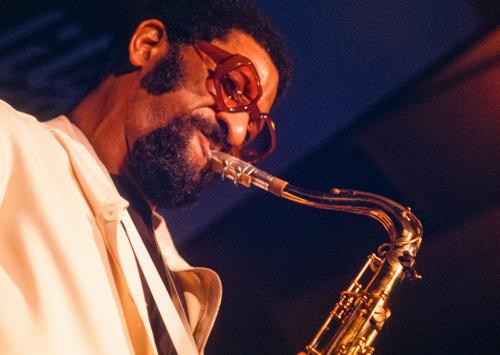
Sonny Rollins discusses his career
Oct. 16, 1978 Studs Terkel comments on baseball, baseball player Sam Crawford, comedian Spike Milligan, and interviews jazz musician Sonny Rollins. Includes a voice clip of baseball player Sam Crawford.
-
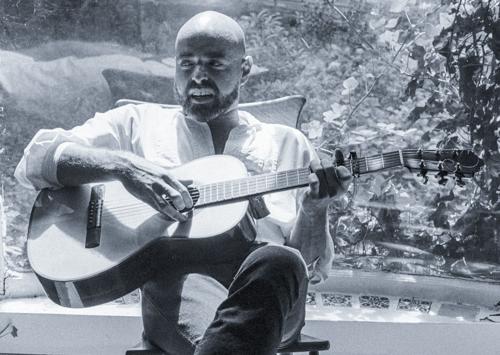
Shel Silverstein discusses his books, children's literature, and art; part 1
Nov. 20, 1961 Shel Silverstein discusses his books "Lafcadio: The Lion Who Shot Back" and "Uncle Shelby's ABZ Book".. Shel Silverstein discusses his books, children's literature, and cartoonists.
-
Sam Levenson talks with Studs Terkel
1957 Sam Levenson discusses comedy and talks about his family life. He talks about the social push to get the children "off the corner" and how the roles in a traditional family have changed.
-
Roy Blount Jr. shares stories from his latest collection.
Oct. 8, 1982 The writer, speaker, and humorist discusses his book, One Fell Soup: or I'm Just a Bug on the Windshield of Life.*Please note: some sections have been edited out from the original recording due to copyright considerations
-
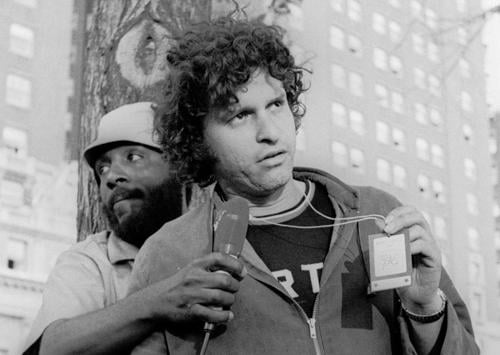
Paul Krassner discusses his book "Confessions of a Raving, Unconfined Nut: Misadventures in the Counter-Culture"
Oct. 19, 1993 Author, comedian and satirist Paul Krassner joins Studs Terkel in a “mosaic” of an interview, as Krassner calls it, to discuss his book, “Confessions of a Raving, Unconfined Nut: Misadventures in the Counter-Culture.” The conversation begins with two clips from Abbie Hoffman and Lenny Bruce, friends of Krassner’s and fellow key figures in the counterculture movement of the 1960s. Krassner speaks on his friends’ legacies, and then begins telling his story, reading a passage from his book about when he first started questioning society.
-
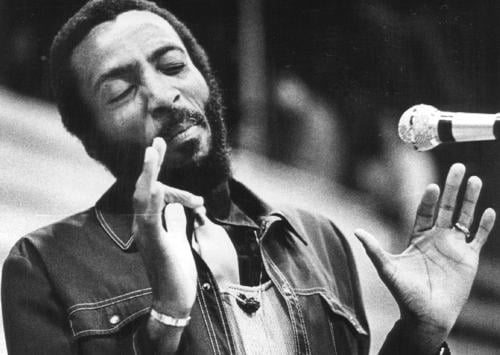
Panel at University of Chicago Law School discuss ending capital punishment, part 3
Feb. 19, 1965 Dick Gregory satirizes capital punishment in the United States, calls for the churches to take action, and talks about potential actions from "demonstrators." Other panel members answer audience questions (Father James Jones, Norval Morris, Hans W. Mattick, and Arthur Wineberg). Hosted by the University of Chicago. (Part 3 of 3)
-
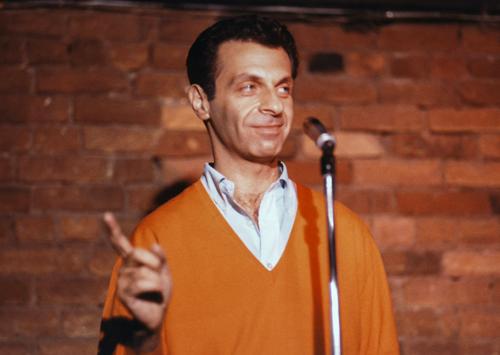
Mort Sahl discusses comedy, social satire, politics, and humorists
Feb. 17, 1960 Mort Sahl the comedian discusses comedy, social satire, and humorists. He discusses the difference between sick humor and social commentary. He discusses politics in America. Includes a speech by humorist Will Rogers towards the end of the program.