Listen to New Voices on Studs Terkel our partnership with 826CHI-here! Read the Story


Showing 211 - 225 of 549 results
-

Lotte Lehmann discusses her opera roles and how opera has changed
Apr. 18, 1960 Interviewing Madame Lotte Lehmann about her opera roles and how the genre of opera has changed.
-
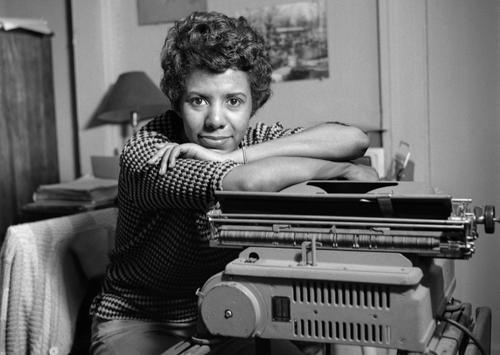
Lorraine Hansberry discusses her play "A Raisin in the Sun"
May. 12, 1959 Playwright Lorraine Hansberry discusses her play "A Raisin in the Sun" and theater in general; last 10 minutes is a reading of "Chicago: South Side Summers" from "To Be Young, Gifted, and Black." Orginal air date is 05/12/1959
-
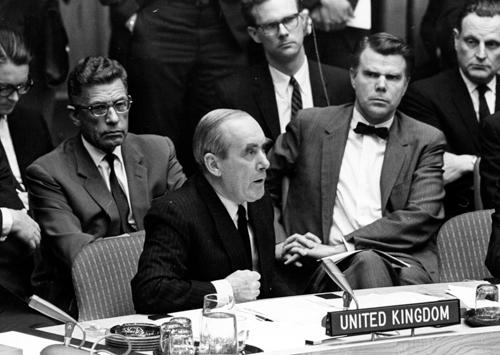
Lord Caradon discusses the United Nations
1967 Lord Caradon discusses the United Nations and its efforts.
-
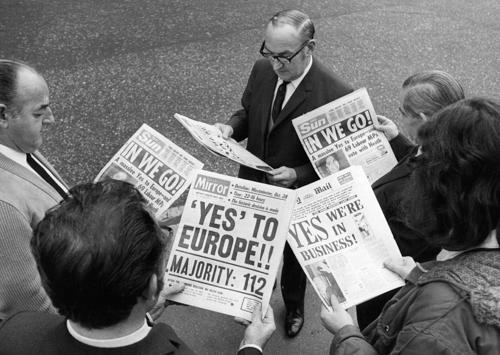
London newspaper vendor, George Curry, discusses politics and art, while Studs Terkel was in London, England
Sep. 1975 While in London, England, Studs Terkel interviews George Curry, a newspaper vendor with a storefront in a hotel. The two discussed Curry’s hometown of Dundee, Scotland and its politics, in addition to London’s current political atmosphere. They also talk about Curry’s political leanings; he is a socialist, and he criticizes England’s immigration policies. Curry comments on his interest in the arts and speaks on stereotypes surrounding the working class. The interview is interrupted intermittently by customers buying their morning paper.
-
Lois Wille discusses the many problems at Crane High School
Dec. 14, 1965 Lois Wille caused an uproar with the story she wrote for the Chicago Daily News, "Inside a Slum High School." According to Wille's investigation, a lack of money, over crowding of students, lights that don't work in the school and no books were among some of the problems that Wille found at Crane High School. Students also had a pessimistic view, explained Wille, as she found students didn't believe the teachers and counselors cared what theyd do after they got out of high school but they just wanted them to get out and leave Crane.
-
-

Lisa Richette discusses her book The Throwaway Children ; part 1
Lisa Richette, lawyer and judge, discusses her book "The Throwaway Children", published in 1969. She discusses issues of juvenile justice and the law regarding juveniles.
-
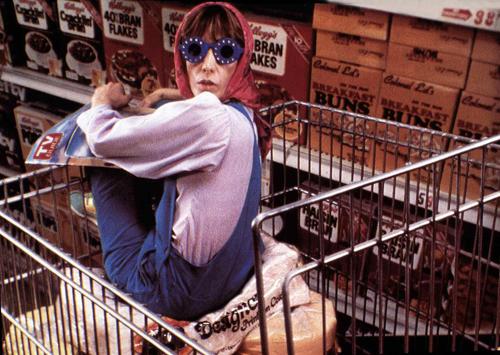
Lily Tomlin discusses the "The Search for Signs of Intelligent Life in the Universe"
Sep. 27, 1988 Tomlin talks in depth about the characters she has created and played (Trudy the Bag Lady, Kate, Agnus Angst, Chrissy, Lynn, Marie, ) in the play "The Search for Signs of Intelligent Life in the Universe" by Jane Wagner. Tomlin talks in detail about each character and inspirations and influences behind each, especially Trudy.
-
Lillian Smith discusses her books; part 3
Nov. 11, 1961 Content Warning: This conversation includes racially and/or culturally derogatory language and/or negative depictions of Black and Indigenous people of color, women, and LGBTQI+ individuals. Rather than remove this content, we present it in the context of twentieth-century social history to acknowledge and learn from its impact and to inspire awareness and discussion. Lillian's Smith first book was "Strange Fruit." Smith said people that were reading that book covered up the book jacket so no one could see the title of the book.
-
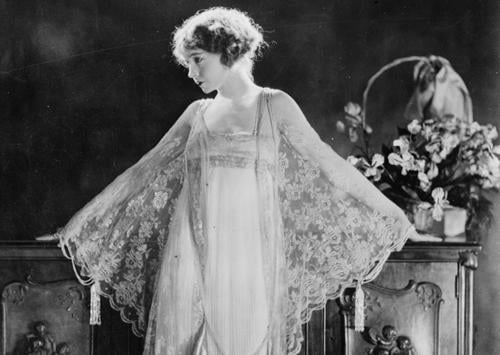
Lillian Gish discusses the play "Passage to India" and her career
Jan. 16, 1963 Actress Lillian Gish joins Studs Terkel to talk about her role in the play “Passage to India.” Gish connects the play based on a book by E. M. Forster to “Uncle Tom’s Cabin,” and discusses the relevance and importance of historical works like those mentioned. Studs asks Gish about working with D. W. Griffith, and the two praise Griffith’s impact on the world of film; Gish comments on her experience with working with Charles Laughton too.
-

Licia Albanese discusses her opera performances
Feb. 27, 1960 Licia Albanese discusses her performance preparations, advice to young new opera singers, the conductor techniques from Fausto Cleva, and the late Arturo Toscanini.
-
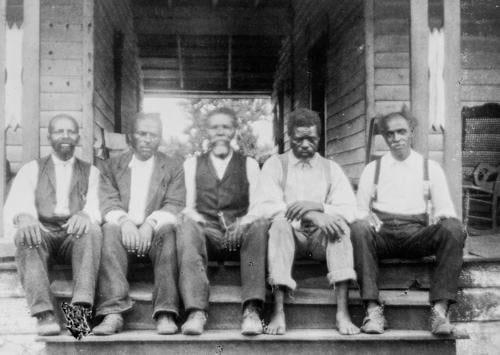
Lerone Bennett, Jr., John Hope Franklin and Hoyt Fuller discuss the book "Distortions of Negro History"
Jun. 3, 1965 Discussing "Distortions of Negro History" and interviewing Lerone Bennett, Jr., John Hope Franklin and Hoyt Fuller.
-
Leonard Boudin discusses various cases he's tried
May. 20, 1986 Dr. Benjamin Spock, Paul Robeson and Jimmy Hoffa are a few of Leonard Boudin's clients. Although some people were outraged Boudin welcomed Hoffa as a client, Boudin's belief had always remained that whether a person be good or bad, that person is, like all people, entitled to civil liberties and good representation. Boudin lastly explained he liked law students and that from what he witnessed, he was hopeful for their/our futures.
-

Leon Golub discusses recent art with Studs Terkel ; part 2
Nov. 25, 1964 Golub discusses his work "Man" and talks about his process as an artist.
-

Leon Golub discusses recent art with Studs Terkel ; part 1
Nov. 25, 1964 Golub discusses his work "Man" and talks about his process as an artist.