Listen to New Voices on Studs Terkel our partnership with 826CHI-here! Read the Story


Showing 751 - 765 of 3671 results
-
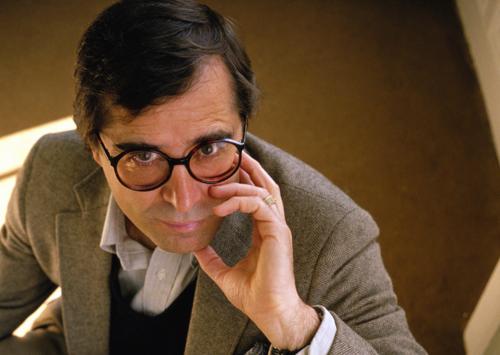
Paul Theroux discusses his book “Picture Palace”
Jun. 23, 1978 Writer Paul Theroux discusses his book “Picture Palace” and the meaning of a photograph with Studs Terkel. Both Theroux and Terkel read excerpts from Theroux’s book, and an audio clip of a photographer discussing what photography means to them is played.
-
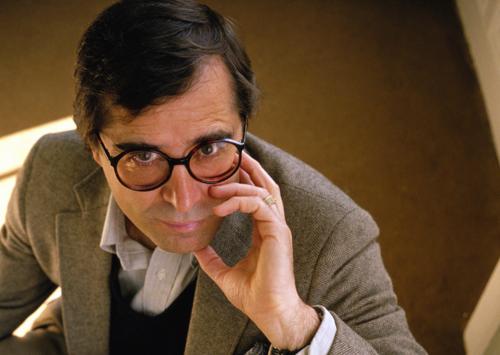
Paul Theroux discusses his book "Mosquito Coast"
Feb. 23, 1982 Discussing the book "Mosquito coast" with the author novelist Paul Theroux.
-

Paul Schilpp talks with Studs Terkel
May. 20, 1965 Interviewing philosopher Paul Schilpp.
-
Paul Linn in conversation with Studs Terkel
Sep. 28, 1976 Interviewing Paul Linn.
-
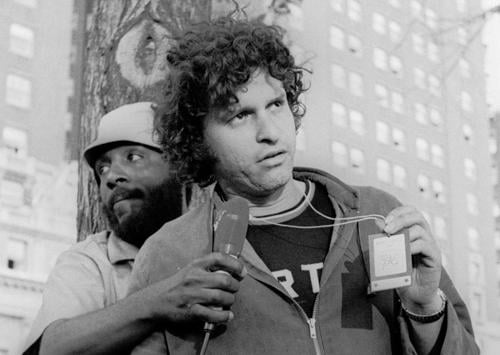
Paul Krassner discusses his book "Confessions of a Raving, Unconfined Nut: Misadventures in the Counter-Culture"
Oct. 19, 1993 Author, comedian and satirist Paul Krassner joins Studs Terkel in a “mosaic” of an interview, as Krassner calls it, to discuss his book, “Confessions of a Raving, Unconfined Nut: Misadventures in the Counter-Culture.” The conversation begins with two clips from Abbie Hoffman and Lenny Bruce, friends of Krassner’s and fellow key figures in the counterculture movement of the 1960s. Krassner speaks on his friends’ legacies, and then begins telling his story, reading a passage from his book about when he first started questioning society.
-
-
-
-
Paul Fussell in conversation with Studs Terkel
Discussing the book "BAD, or, The Dumbing of America" (published by Summit Books) with author Paul Fussell.
-
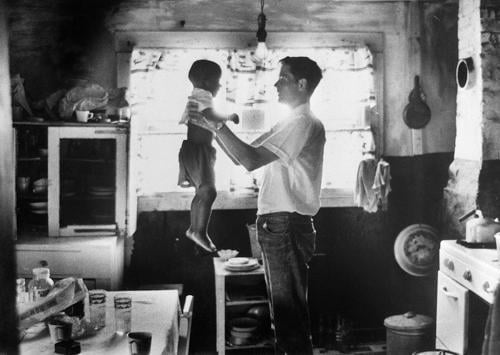
Paul Cowan discusses his book "The Making of an UnAmerican", part 2
May. 4, 1970 Writer and activist Paul Cowan discusses the Peace Corps and his book "The Making of an UnAmerican", part 2
-

Paul Cowan discusses his book "The Making of an UnAmerican," part 1
May. 4, 1970 Writer and activist Paul Cowan discusses the events and experiences that inspired his book "The Making of an UnAmerican," part 1.
-
Paul Cowan discusses his book "An Orphan in History"
Jan. 7, 1983 Discussing the book "An orphan in history: retrieving a Jewish legacy" with the author Paul Cowan.
-
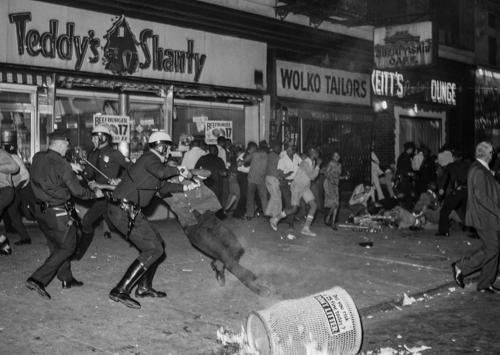
Paul Chevigny discusses his book "Police Power"
According to Paul Chevigny’s book, “Police Power: Police Abuses in New York," disobeying the police is what precipitated violence. Chevigny explained some of the police felt if they had to deal with the undesirables, whether they were criminals or not, anything goes on the street to get these guys and anything goes in court to make a conviction stick.
-
Paul Carroll discusses his book of poetry "The Garden of Earthly Delights"
Jul. 7, 1986 Discussing the book of poetry "The Garden of Earthly Delights" with poet Paul Carroll, winner of the 1985 Chicago Poets Award.
-
Paul Boyer discusses his book "By the Bomb's Early Light"
Jan. 9, 1986 In the book, "By the Bomb's Early Light: American Thought and Culture at the Dawn of the Atomic Age," Paul Boyer covers people's feelings and attitudes after the bomb was dropped in Hiroshima. Boyer admits he, himself, when he was a young boy, he sent away for a free atomic ring that was being advertised. The program includes an excerpt of David Lilienthal talking.