Listen to New Voices on Studs Terkel our partnership with 826CHI-here! Read the Story


-

Helene Kazantzakis talks with Studs Terkel; Part 1
May. 13, 1969 Helene Kazantzakis talks about “The Great Passion” which was written by her husband, Nikos Kazantzakis. She also talks about the book that she is writing about her husband’s life. Studs Terkel reads aloud from “The Great Passion” and Helene reads aloud some of letters featured in the biography titled “Nikos Kazantzakis.” This interview opens with a song written by Nikos Kazantzakis called “The Dance” and closes with the song “Myrtia.”
-
Helen Vlachos discusses her career and her book "House Arrest"
1970 In 1967, because Helen Vlachos spoke freely and called someone in the junta a clown, she was placed under house arrest. Artists took part in a type of silent resistance, as there was no new music, no new paintings, no new poems or writings that were created. Freedom isn't allowed, explained Vlachos, as people aren't allowed to use their own minds.
-
Helen Humes discusses her career
Jun. 29, 1977 Helen Humes discusses her career and touring with Count Basie and his orchestra. John McDonough is present for the interview and contributes. Songs sung by Helen are played throughout the interview: "He May Be Your Man", "Song of the Wanderer", "If I Could Be with You for One Hour Tonight" (2 recordings- one from 1940 and one from 1977), "Unlucky Woman", "They Can't Take That Away From Me", "Today I Sing the Blues", and "They Raided the Joint". Music has been removed for copyright reasons.
-

Heinrich Gruber and Howard Schomer discuss Nazi Germany and resistance
1968 German theologian Heinrich Gruber and pastor Howard Schomer discuss Nazi Germany and resistance
-
-
Harvey Phillips and Dr. Frederick Fennell discuss their holiday ensemble the TubaSantas
Dec. 13, 1994 Presenting music by the TubaSantas with Harvey Phillips and Dr. Frederick Fennell. Program may include a live performance. "Generic Version"-Re-edited on 12/6/1995
-
-
-
Harry Edwards discusses the sociology of sports
May. 12, 1983 In his class, Edwards points out that the chances of becoming the next Kareem Abdul-Jabbar or Michael Jordan are extremely rare. According to Edwards, collegiate sports players spend 55 to 60 hours a week playing their sport, leaving little or no time for book learning. For many, after training and competing for four years, they're not able to secure good jobs because they didn't have time for studying while at the college.*Please note: some sections have been edited out from the original recording due to copyright considerations
-
Harry Chapin discusses his career as a writer and singer and reflects on the stories behind his music
Mar. 31, 1975 Studs interviews Harry Chapin about his music and career. They discuss Chapin’s style of writing songs. Chapin describes some of his songs such as “Cats In the Cradle,” “Sniper,” “WOLD,” and “Mr. Tanner.” He stresses that his songs tell stories and often are influenced by real-life events. For example, “30,000 Bananas Pounds of Bananas” came from a trip he took on a Greyhound bus through Pennsylvania where there was a truck accident.
-
Harry Belafonte discusses jazz and folk music ; part 2
Jan. 6, 1955 The conversation continues with Belafonte talking about his album, "Belafonte Sings of the Caribbean". The songs, explained Belafonte, were both reflections of his childhood and things he was exposed to as an adult. Belafonte believed both Louis Armstrong and Jack Teagarden played important roles in jazz music.
-
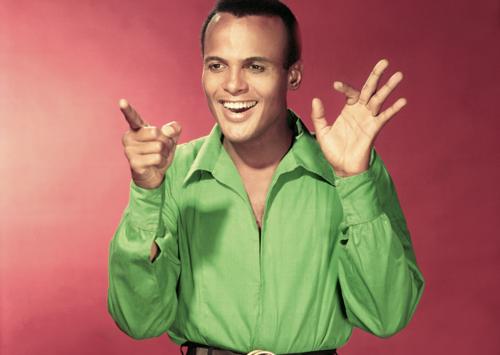
Harry Belafonte discusses jazz and folk music ; part 1
Jan. 6, 1955 Singer Harry Belafonte discusses Black music including spirituals and jazz and how it has contributed to American culture.
-
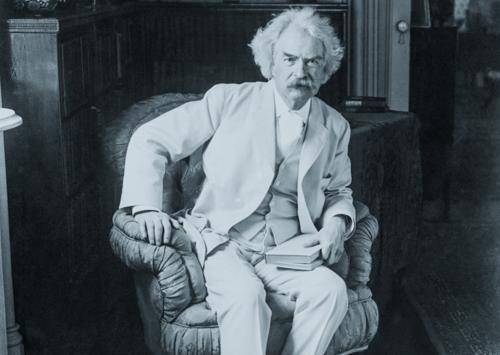
Harry Barnard discusses life as a teacher, writer and biographer
1967 Mr Barnard discusses being a writer and biographer. He strongly discusses the theory, What is literature? and states, "If the work(writing) enriches the person reading and causes deep thought it is literature." He is working, at the time of broadcast, on the papers, notes manuscripts of Upton Sinclair preparing to . He was also writer in residence at Roosevelt University at the time of broadcast.
-
Harrison Salisbury discusses the book "The New Emperors: China in the Era of Mao and Deng", and his time in China
Mar. 31, 1992 American author, journalist, and one time New York Times correspondent in Moscow, Harrison Salisbury, discusses his book "The New Emperors: China in the Era of Mao and Deng" They discuss the politics of China and Mr Harrison shares stories of the politicians, and Chinese people he spent time with. Studs shares an excerpt of an interview with physician George Hatem regarding China and her people. The interview closes with; "Che lai" performed by Paul Robeson
-
Harrison Salisbury discusses his views on the constantly changing world of Russia ; part 2
Jun. 8, 1962 Salisbury continues talking about the artists like writers, musicians and dancers being national assets to Russia. In a country with its history of tyranny, Russian society is becoming more permissive and relaxed, explained Salisbury. Khrushchev keeps the peace right now, says Salisbury but wonders, like the title of a new book he's working on, is this "A New Russia?".