Listen to New Voices on Studs Terkel our partnership with 826CHI-here! Read the Story


Showing 91 - 105 of 115 results
-
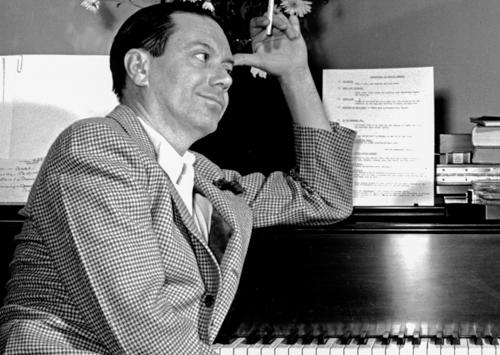
Discussing Cole Porter's work and the book "Cole" and interviewing its author Robert Kimball
1970 Cole Porter biographer Robert Kimball talks with Studs about his book "Cole" and his subject's life and work as they listen to classic performances of some of his most beloved songs. They marvel at how Porter perfectly captured the zeitgeist of the times in his lyrics, his lyrical influences, his unique method of outside-in composing lyrics and music simultaneously, Bobby Short's masterful interpretations, controversies over some of his works, and how well his material holds up.
-
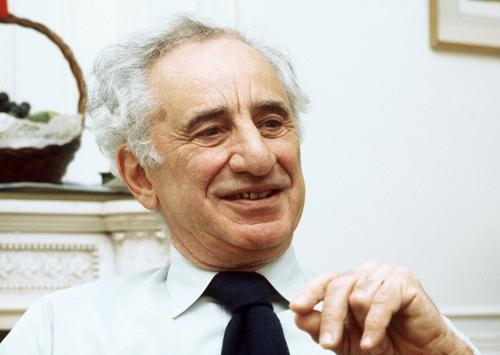
Discussing "The Understudy" and interviewing Elia Kazan
Jan. 3, 1975 Discussing "The Understudy : a Novel" and interviewing Elia Kazan.
-
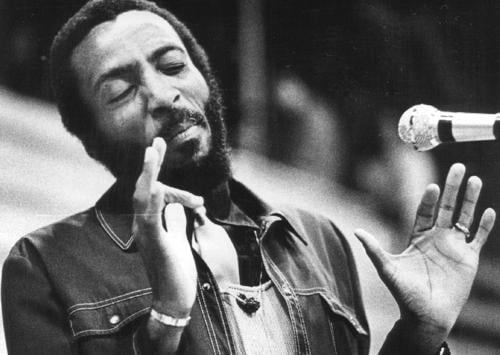
Dick Gregory discusses his career
May. 14, 1970 Lillian Smith excerpt opens the program.
-

Dick Gregory discusses American politics
Dec. 17, 1964 This interview begins with a clip of one of Dick Gregory’s performances, where he talks about nonviolence and Native Americans. Studs Terkel introduces his guest as an observer, explaining that comedians are the best observers in society. Gregory offers extended analogies to communicate his views on a variety of topics, including the Vietnam War, race relations, segregation, human rights, and urban renewal. [The date is unclear, but it has to be after 1970, since the Kent State Shootings were mentioned]
-
Del Close discusses hipsters and comedy
May. 15, 1970 Del Close discusses hipsters, what is hip, and comedy. Includes a clip of Del Close and his colleague John Brent from the beatnik satire "How to Speak Hip".
-
Cliff Norton discusses his career
1960 When Cliff Norton performed his first live gig, he tried out his comedy on the band. Norton credits having good performances because of being given good material, funny material. Norton further explained that being an entertainer, one always has to be writing in order to maintain their creative edge.
-

Christopher Durang discusses his play "A History of the American Film" and "Sister Mary Ignatius Explains It All For You"
Dec. 7, 1984 Studs interviews Christopher Durang, playwright, about his plays. "A History of the American Film" is the highlight of the interview, which is playing at the Heron Theater in Chicago. Durang describes parts of the play and it's characters. He explains that it portrays the different eras and famous moments of movies and references real actors and actresses. Durang reads several times from the play, but all musical numbers are removed from this edited version of the original recording.
-
Charlie Hill discusses his approach to comedy
Sep. 23, 1982 Charlie Hill talks about his comedy career, the portrayal and stereotypes of Native American Indians, and the Bureau of Indian Affairs.*Please note: some sections have been edited out from the original recording due to copyright considerations
-
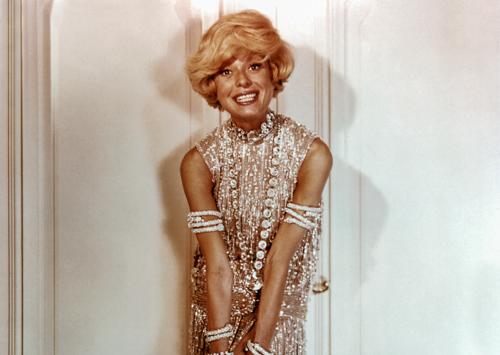
Carol Channing discusses her career
May. 11, 1959 Carol Channing discusses the following with Studs Terkel: her early career; her growth as actor/comedian; her approach to her work; her performance in "Lorelei" as Lorelei; her performance in "Wonderful Town" as Ruth; the job of the understudy; and breaking performance barriers and type casting.
-
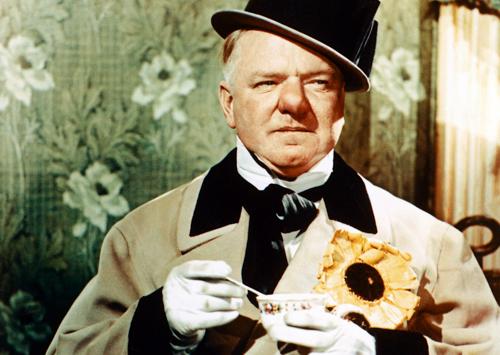
Carlotta Monti discusses W.C. Fields and her book "W.C. Fields & Me"
Jun. 7, 1971 Carlotta Monti discusses W.C. Fields and her book "W.C. Fields & Me".
-
Candy Armstrong-Jones discusses her book "Village of Vice" ; part 2
1968 Interviewing author Candy Armstrong-Jones about her book “Village of Vice.”
-
Candy Armstrong-Jones discusses her book "Village of Vice" ; part 1
Interviewing author and copywriter Candy Armstrong-Jones about her book “Village of Vice.” She discusses her writing techniques and shares themes from her book.
-
Candy Armstrong-Jones discusses her book "City of Sin"
1970 Studs Terkel plays Wagner’s “Liebestod” to introduce his guest, author Candy Armstrong-Jones. The two discuss her second book, “City of Sin,” a romance about a couple who work at a Chicago newspaper. Despite negative reviews for being pornographic, Armstrong Jones says she is celebrity now, which makes her “swinging” complicated. She asks Terkel if he ever swings several times, to which Terkel replies that he is married.
-
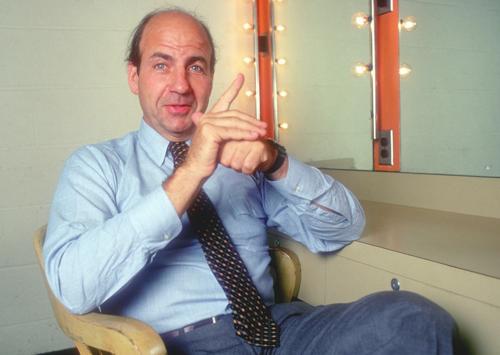
Calvin Trillin discusses his book “Third Helpings”
Apr. 22, 1983 Writer Calvin Trillin talks about his book “Third Helpings” and different regional foods and the ethnicities that influence them. Both Studs Terkel and Calvin Trillin read excerpts from Trillin’s book, and a soundbite from the former Commissioner of Immigration, Leonel Castillo, is played.
-