Listen to New Voices on Studs Terkel our partnership with 826CHI-here! Read the Story


Showing 1 - 15 of 115 results
-
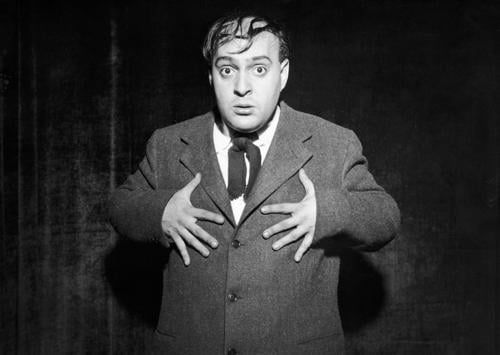
Zero Mostel discusses the play "Rhinoceros" and acting theory ; part 2
Aug. 14, 1961 Zero Mostel talks about acting theory, French and American theater differences, and the reflection of art in society.
-
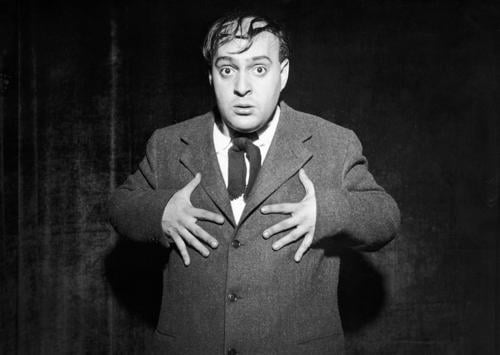
Zero Mostel discusses the play "Rhinoceros" and acting theory ; part 1
Aug. 14, 1961 Zero Mostel talks about acting theory, French and American theater differences, and the reflection of art in society.
-
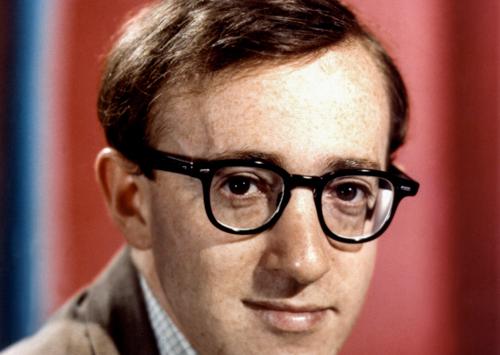
Woody Allen discusses his work as a comedic writer and performer
Jun. 1, 1965 Woody Allen discusses his life and art, the influence of both success and failure on his work, and how he finds comedy in life’s difficulties and trials. He discusses his first screenplay, “What’s Up Pussycat?” and other comedians who have influenced the development of his own comedic work, including Mort Sahl, Charlie Chaplin, the Marx Brothers, and George S. Kaufman.
-

Willard R. Espy in conversation with Studs Terkel
Nov. 1, 1977 The clever writer and editor, fond of wordplay and literary forms, shares with Studs some insight into his satirical biography, The Life and Works of Mr. Anonymous.*Please note: some sections have been edited out from the original recording due to copyright considerations
-
Walter Kerr discusses his book "The Silent Clowns"
Dec. 11, 1975 Writer and critic Walter Kerr discusses his book "The Silent Clowns," about the film era's greats including Charlie Chaplin, Buster Keaton, Harold Lloyd, Raymond Griffith, and Harry Langdon. Studs begins by reading an excerpt from James Agee's "Death in the Family" with music in the background followed by Kerr reading from his book. They begin talking about how silent films affected the audience, lesser known stars Lloyd Hamilton and Charley Chase, and then analyze several famous Charlie Chaplin scenes to assess the complex nature of his characters.
-
Victor S. Navasky in conversation with Studs Terkel
May. 17, 1996 Discussing the book "Report From Iron Mountain: On the Possibility and Desirability of Peace" (published by The Free Press) with the author of the book's introduction, editor of "The Nation," Victor Navasky.
-
Vic Greco and Fred Willard discuss their original comedy skits
Oct. 4, 1962 While performing some of their original material, comedians Vic Greco and Fred Willard talk about how they come up with their ideas for their shows. Always the entertainers, and while talking over one another, Greco and Willard explain that most of what they do on stage is improvisation.
-
Terry Jones discusses his books "Fairy Tales" and "The Saga of Eric the Viking"
Nov. 18, 1983 Discussing and reading from "Fairy Tales" and "The Saga of Eric the Viking" (both published by Schocken Press) with the author Terry Jones.
-
Talking with Lily Tomlin, and her collaborators George Boyd, Cheryl Swannack, and Larry Freeman
Jul. 22, 1981 The American actress and comedian gives some insight into how she develops her vivid characters, and how her colleagues help bring them to the stage and screen. Four of Tomlin's comic pieces are included in the interview.*Please note: some sections have been edited out from the original recording due to copyright considerations
-
Talking with Judith Martin AKA Miss Manners
Dec. 6, 1982 The columnist and etiquette authority joins Studs to talk about her manual, Miss Manners' Guide to Excruciatingly Correct Behavior, as well as her novel, Gilbert: A Comedy of Manners.*Please note: some sections have been edited out from the original recording due to copyright considerations
-
Talking with Calvin Trillin
Jun. 4, 1982 The American journalist and humorist, described by Studs as a sit-down comic, shares selections from his book, Uncivil Liberties, and some of the anecdotes behind it.*Please note: some sections have been edited out from the original recording due to copyright considerations
-
Talking to journalist, humorist, and novelist Calvin Trillin
Nov. 11, 1980 Author Calvin Trillin discusses the world of professional writing and his novel, Floater. Both Trillin and Studs read excerpts from the book.*Please note: some sections have been edited out from the original recording due to copyright considerations
-
Talking about Moliere with Richard Wilbur
Dec. 13, 1973 The poet and literary translator talks about his translation of Moliere's Tartuffe. Includes a clip from an earlier interview with Wilbur.*Please note: some sections have been edited out from the original recording due to copyright considerations
-
Talking about Groucho Marx, with Charlotte Chandler
Jul. 20, 1978 The biographer discusses the early life of comedian Groucho Marx, his stage career, his brothers, and their mother/manager, all further described in the book, Hello, I Must be Going: Groucho & His Friends.*Please note: some sections have been edited out from the original recording due to copyright considerations
-
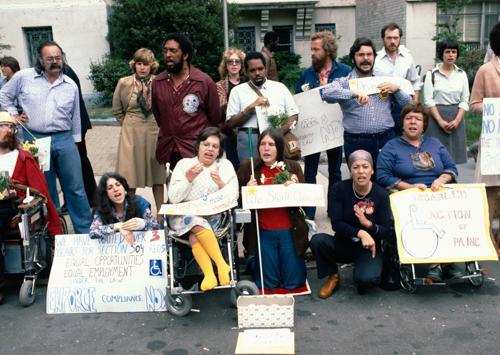
Susan Nussbaum and Michael Pachovas discuss the Disabled Americans Freedom Rally with Studs Terkel
Feb. 28, 1981 Susan Nussbaum, founder of Access Living and Michael Pachovas founder of Disabled Prisoners Program discuss the upcoming Disabled Americans Freedom Rally in the backdrop of the International Year of the Disabled Persons and President Reagan's budget cuts. Society needs to understand that expenditures are required to secure the rights of disabled people to live active, productive lives. They need to be able to get out of their apartment buildings or homes, travel on sidewalks and ride buses. That may require access ramps, working elevators, cut curbs, and hydraulic buses to lower steps.