Listen to New Voices on Studs Terkel our partnership with 826CHI-here! Read the Story


Showing 106 - 120 of 429 results
-

Mordecai Gorelik discusses his book New Theater for Old ; part 2
Feb. 28, 1962 Theatrical designer, producer, and director Mordecai Gorelik discusses his career in the theater industry and the strong influence of Bertolt Brecht. Gorelik worked his way from volunteering at the Group Theater in New York to working with designers such as Robert Edmund Jones.
-
-
-
-
Micheál Mac Liammóir discusses his show "The Importance of Being Oscar"; part 2
Nov. 17, 1961 Micheál Mac Liammóir, actor and playwright, discusses his upcoming performance based on the writings of Irish playwright and poet Oscar Wilde.
-
Melvin Douglas and Frank Lovejoy discuss their roles in the play "The Best Man"
Oct. 2, 1961 Melvin Douglas and Frank Lovejoy discuss their roles in Gore Vidal's play "The Best Man", politics, and their careers.
-
Maurice Sendak discusses his book "Where the Wild Things Are"
Dec. 19, 1990 Monsters, imagination and violence in children's literature are all topics of Maurice Sendak's book, "Where the Wild Things Are." When writing the book, Sendak used his own experiences as a little boy, remembering that the monsters in the family were relatives on his mother's side. There are two excerpts of composer Oliver Knussen.
-
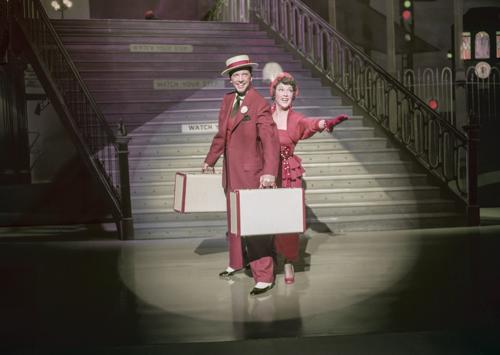
Martin Gottfried discusses his book "Broadway Musicals"
Nov. 15, 1979 Martin Gottfried discusses his book "Broadway Musicals" and the history of the musicals by evaluating the different big name composers, lyricists, and directors of Broadway.
-
Martin Duberman discusses his book "Paul Robeson"
Feb. 28, 1989 Martin Duberman, historian and biographer, discusses his latest work which focuses on the singer, actor, and political activist Paul Robeson. Robeson was known for his performance in Showboat and Emperor Jones.
-
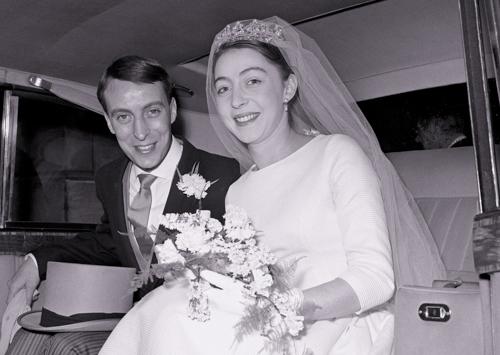
Maroussia Frank discusses "King Lear" and life in the theater
1960 Maroussia Frank analyzes Paul Scofield's performance as King Lear in the theater production as well as life in a theater company and her experiences as a member and a wife of a member.
-
Marlon Brando discusses his views on mankind ; part 3
Apr. 19, 1963 Content Warning: This conversation includes racially and/or culturally derogatory language and/or negative depictions of Black and Indigenous people of color, women, and LGBTQI+ individuals. Rather than remove this content, we present it in the context of twentieth-century social history to acknowledge and learn from its impact and to inspire awareness and discussion. In conclusion, Marlon Brando added that his being a famous actor posed an ugly and difficult burden to his son.
-
Marlon Brando discusses his views on mankind ; part 2
Apr. 19, 1963 Content Warning: This conversation includes racially and/or culturally derogatory language and/or negative depictions of Black and Indigenous people of color, women, and LGBTQI+ individuals. Rather than remove this content, we present it in the context of twentieth-century social history to acknowledge and learn from its impact and to inspire awareness and discussion. In a surprising twist, Marlon Brando asks Studs Terkel why he is so obsessed with asking people so many questions and Terkel’s reply was curiosity.
-
Marlon Brando discusses his views on mankind ; part 1
Apr. 19, 1963 Content Warning: This conversation includes racially and/or culturally derogatory language and/or negative depictions of Black and Indigenous people of color, women, and LGBTQI+ individuals. Rather than remove this content, we present it in the context of twentieth-century social history to acknowledge and learn from its impact and to inspire awareness and discussion. Self-righteousness and values are topics covered by Marlon Brando. Here in the states, Brando said, we are living a dream. We do not want strife in our lives, and yet he says it seems as though we seek it.
-
Margaret Webster discusses Shakespeare and his plays
Apr. 21, 1961 American-British actress Margaret Webster, talks about the unsophisticated audience members that go to see plays by Shakespeare. Upon seeing a play, they're afraid to go at first but once they are there, they realize how much they are truly enjoying themselves.
-
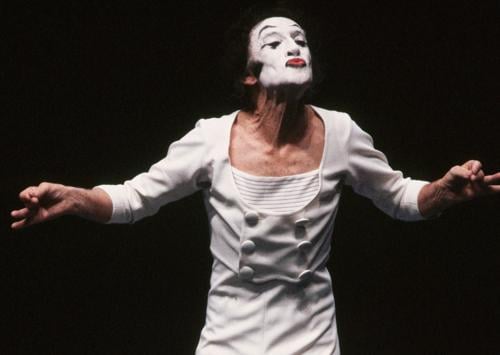
Marcel Marceau talks with Studs Terkel
Oct. 6, 1960 French actor and mime Marcel Marceau discusses the art of pantomime and many of his performances including "The Overcoat" by Gogol and "The Mask Maker". Marceau also discusses the history of pantomime, his inspirations, and how he came to be a mime.