Listen to New Voices on Studs Terkel our partnership with 826CHI-here! Read the Story


Showing 166 - 180 of 1202 results
-

Rose Rigsby and Betty Shifflett discuss writing and being a writer
Jun. 7, 1971 Rose Rigsby a writer and poet is interviewed along with Betty Shifflett, who teaches fiction at Columbia College. Ms Rigsby and Ms. Shifflett talk about writing with Studs. Ms. Rigsby reads from her stories and about her time in the Sanitarium and receiving shock therapy. Several excerpts are presented from an interview with Rose Rigsby speaking about children and of taking care of them. (1925145-3-1)
-
Ronnie Dugger discusses his book "Politician: The Life and Times of Lyndon Johnson"
Jul. 15, 1982 Ronnie Duggar’s book, “Politician: The Life and Times of Lyndon Johnson,” shows Johnson’s rise to power. Duggar explained that from a young age, Johnson knew to court power. While at the Teachers College in Texas, Johnson told his cousin, “It starts at the president’s office,” where Johnson was the president’s right arm man. Once in the Senate, Johnson chose to be on the Armed Services Committee because he knew Senator Richard Russell ran the Senate. Johnson courted powerful men and in exchange, these men would advance his career.
-
Ronnie Dugger discusses his book "On Reagan: The Man & His Presidency"
Nov. 29, 1983 Past radio transcripts of former President Ronald Reagan were being hidden or suppressed. Ronnie Dugger worked tirelessly at getting the transcripts so that people would learn the truth about Reagan. In Dugger’s book, “On Reagan: The Man & His Presidency,” Dugger points out that President Reagan was against the ERA. He didn’t believe in anti-trust, and he opposed every civil rights act every placed in front of him. Dugger said Reagan’s genius was that he’d get elected without people knowing of his records.
-
Ronald Sukenick joins Studs for a discussion about his writing.
May. 17, 1971 Power, politics, sex, and violence are all themes found in Ronald Sukenick's Out, an experimental novel that challenges conventional forms.*Please note: some sections have been edited out from the original recording due to copyright considerations
-
Ronald Blythe discusses the village of Akenfield ; part 1
1968 Ninety five miles outside of London, Ronald Blythe has interviewed residents of the village of Akenfield for his next book, "Akenfield: A Portrait of an English Village." Blythe said what surprised him most of all was that newspapers and TV didn't have much effect on this little village. Blythe also learned that the village people would take part in political conversations with one another but they'd never let on as to which political party they were apart of.
-
Roger Wilkins discusses his book "A Man's Life"
Aug. 30, 1982 Discussing the book "A man's life" with the author Roger Wilkins.
-
Roddy Doyle discusses his book "Paddy Clark Ha Ha Ha" winner of England's The Man Booker Prize
Jan. 24, 1994 Studs interview with Roddy Doyle, Irish writer, and author of "Paddy Clark Ha Ha Ha." Doyle reads several times from the book. Studs also reads a few lines from the book. Doyle describes the book set in the Republic of Ireland in the 1960's that portrays the life of a small boy. He discusses the characters and themes of the book that relate to real-life. Doyle speaks about his own childhood that is not reflected in the book. Studs notes that the musical comedy-drama film "Commitments" is based off Doyle's book.
-
Robertson Davies discusses his new book "The Manticore"
Oct. 24, 1972 Canadian journalist and novelist Robertson Davies discusses his new book, the second installment in "The Deptford Trilogy" titled "The Manticore." Much of the discussion also focuses on the prequel, titled "Fifth Business."
-
Robertson Davies discusses his book, "Lyre of Orpheus"
Jan. 26, 1989 Robertson Davies, Canadian writer and professor, discusses his newest book, "Lyre of Orpheus," the third book in the "Cornish Trilogy." The summary of the book and its ties to the King Arthur legend are explained.
-
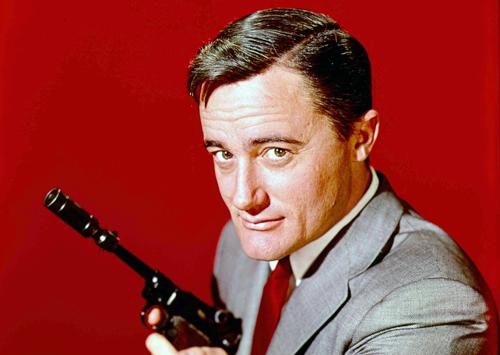
Robert Vaughn talks with Studs Terkel
1970 Robert Vaughn takes time out from his Drury Lane appearance in "Tender Trap" to discuss his new book "Only Victims" with Studs Terkel. The discussion spans the years 1938 when Martin Dies became the first House Committee on Unamerican Activities (HUAC) chairman to Vice President Spiro Agnew's condemnation of the "New York Times" and "Washington Post". Vaughn created the title of his book "Only Victims" from a Dalton Trumbo speech that reflected back on the era of HUAC as being one where there were no heroes, no villains, only victims.
-
Robert Twombly discusses the biography “Louis Sullivan: His Life and Work”
Mar. 24, 1986 Architectural historian Robert Twombly discusses the biography “Louis Sullivan: His Life and Work.” Referred to by Studs as the architect that most symbolizes Chicago architecture, Louis Sullivan, this program outlines Sullivan’s life as a prominent architect who was one of the first to incorporate nature, or "the organic", into architecture, and who ended his life in poverty. This program includes a clip from 1956 of Frank Lloyd Wright speaking to his contemporaries, indignant, asking what took them so long to recognize Louis Sullivan and his genius in the architectural field?
-
Robert Theobald discusses his books “Teg’s 1994” and “An Alternative Future for America II”
Apr. 30, 1970 Economist Robert Theobald discusses changes in society, the future’s outlook, and his books “Teg’s 1994” and “An Alternative Future for America II” with Studs Terkel.
-
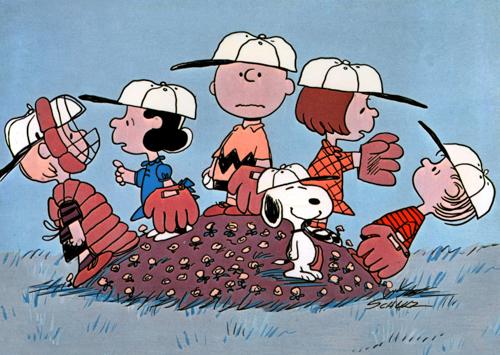
Robert Short discusses his book “The Gospel According to Peanuts”
1975 Theologian Robert Short talks with Studs Terkel about the Christian allegories and references in the comic strip “Peanuts” as well as Short’s book “The Gospel According to Peanuts.” Terkel reads a few excerpts from Short’s book. Terkel, Short, and Cathy Zmuda read a few “Peanuts” comic strips and all three assume various “Peanuts” characters during the readings.
-
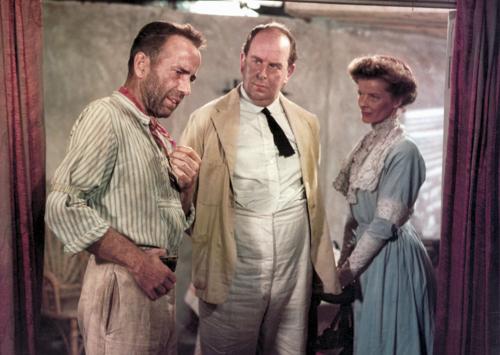
Robert Morley discusses his autobiography ; part 2
Actor Robert Morley discusses his career and autobiography, "Robert Morley: A Reluctant Autobiography;" part 2.
-
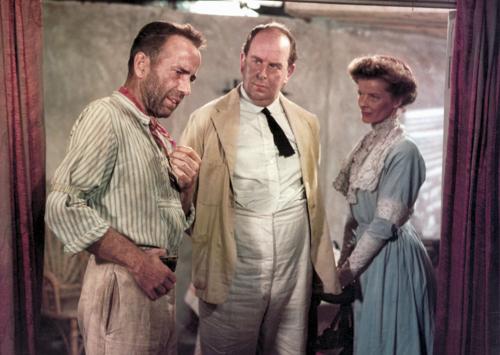
Robert Morley discusses his autobiography ; part 1
Actor Robert Morley discusses his career and autobiography, "Robert Morley: A Reluctant Autobiography;" part 1.