Listen to New Voices on Studs Terkel our partnership with 826CHI-here! Read the Story


Showing 481 - 495 of 5186 results
-

Studs Terkel discusses his life with Dorothy Hajek and Sylvia McDonnel of Rosary College
Mar. 21, 1963 Dorothy Hajek and Sylvia McDonnel discuss Studs Terkel's life. Includes Studs talking about his life, early career, and opinions on American society. Cuts off at 31:38 to 31:50.
-

Studs Terkel discusses his life and career with Norman Pellegrini
Mar. 1, 1994 Norman Pellegrini interviews Studs Terkel to discuss his life and career as a radio personality. Studs recalls a specific moment walking through the streets of Chicago and hearing blues music coming through the window of someone’s home. As Studs recalls, this moment is one that jump-started his interest in music and radio and inspired him to leave his life of studying law and move into the unknown of music radio. Technical engineer and producer of the show, Jim Unrath, joins the conversation to recount previous interviews and programs of Studs'.
-
Studs Terkel discusses his book and the musical adaption of his book titled “Working”
Jul. 1979 Studs Terkel shares interviews with actors and workers featured in his book “Working.” Includes interviews with Paul Deitch, Eleanor Nemitz, and Arny Freeman.
-
Studs Terkel discusses George Bernard Shaw with Stanley Weintraub
1970 Studs discusses the life and work of Irish playwright, critic, and political activist George Bernard Shaw with historian and biographer Stanley Weintraub. The focus of the interview is Weintraub's book, Journey to Heartbreak: The Crucible Years of Bernard Shaw 1914-1918.*Please note: some sections have been edited out from the original recording due to copyright considerations
-
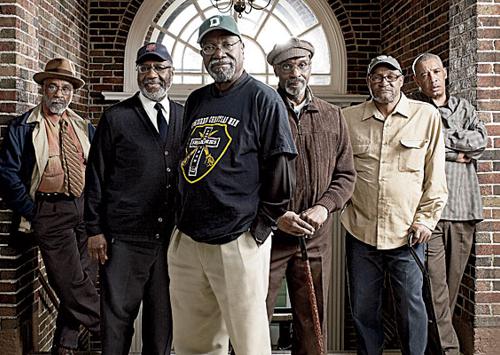
Studs Terkel discusses gang life with Allan Evans and Henry Jordan
1969 Studs Terkel discusses gang life with Allan Evans and Henry Jordan, members of the Vice Lords, an urban street gang based in Chicago. Evans and Jordan were both born and grew up in Chicago.
-
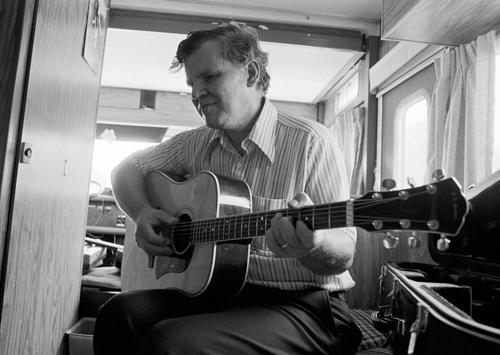
Studs Terkel discusses folk music with Doc Watson
Feb. 20, 1969 Studs Terkel interviews and discusses the history and cultural significance of folk music with Doc Watson. Topics include Watson's personal history and biography, the origins of some of the songs he sings, sacred music.
-
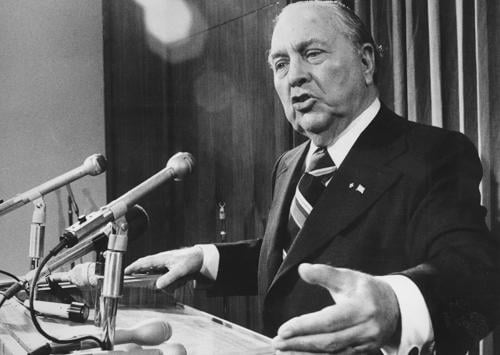
Studs Terkel discusses contemporary Chicago politics with Dick Simpson and Mike Royko
Jul. 22, 1971 Discussing Mayor Daley and nepotism in government with Alderman Dick Simpson, and author-journalist Mike Royko. Includes clips of Mayor Daley defending his appointment of Thomas P. Keane, son of Alderman Tommy E. Keane. Also includes Mike Royko reading his column from the "Chicago Daily News" July 22, 1971.
-
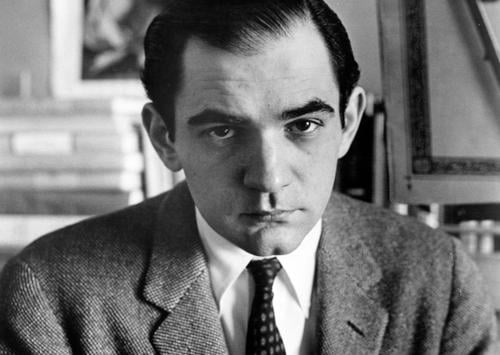
Studs Terkel discusses contemporary American music with composer and trombonist Bill Russo
May. 18, 1983 Discussing the origins of three schools of contemporary American music, their influence upon each other, and the new directions composers are taking with their music with composer and trombonist Bill Russo.
-
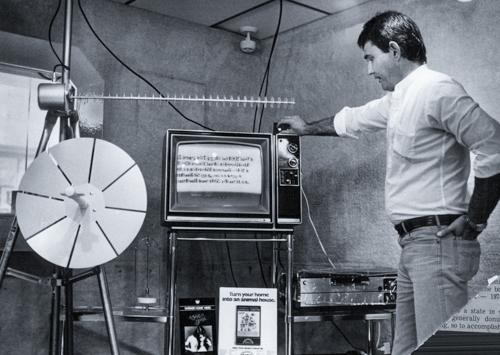
Studs Terkel discusses commercial and public broadcasting Nicholas Johnson of the FCC
Apr. 1, 1971 Studs Terkel discusses television and advertising with Nicholas Johnson, Commissioner at the Federal Communications Commission. Johnson had recently delivered a speech in Dubuque, IA about possibilities for the future of broadcasting, and had released a book a year prior, "How to Talk Back to Your Television Set". Topics of conversation include censorship, the role of advertising and corporate sponsorship of radio and television, and the hope and promise of public television.
-
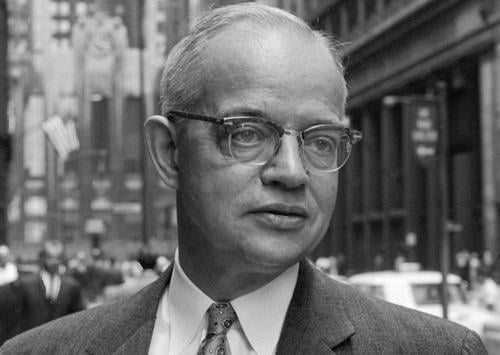
Studs Terkel discusses church architecture with William Cooley and Martin Marty
Apr. 27, 1965 Studs Terkel discusses church architecture William Cooley, a church architect, and Martin E. Marty, a theologian and scholar at the University of Chicago.
-
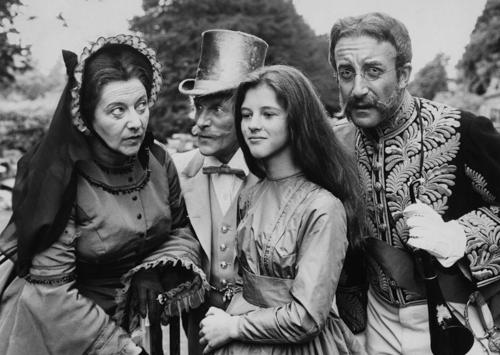
Studs Terkel discusses childhood, imaginiation, science, social history, politics, medicine and theater with Jonathan Miller in London, England
Jonathan Miller reminisces about his childhood in Regent Park, London and offers his opinion on philosophy and the changing English class structure with the loss of the Indian empire. His remake of "Alice in Wonderland" for BBC 1 is reviewed and he states he is most interested in the human imagination.
-
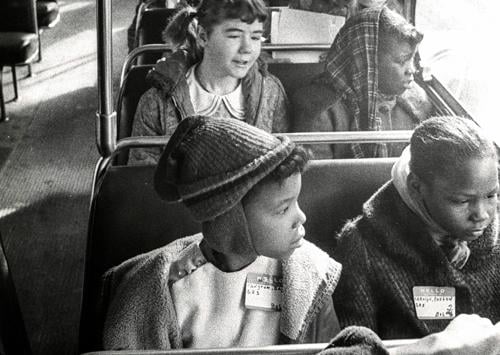
Studs Terkel discusses busing for school integration with psychologist Thomas J. Cottle
Oct. 11, 1976 Studs Terkel discusses the transportation of students for school integration with psychologist Thomas J. Cottle. The main topic of conversation is Cottle's book, "Busing" (1976, Boston, MA, Beacon Press). Terkel and Cottle discuss busing in several cities, focusing on Boston, MA, where Cottle did his research and writing. They each read passages from the book, and discuss the relationship between busing and racism in America.
-
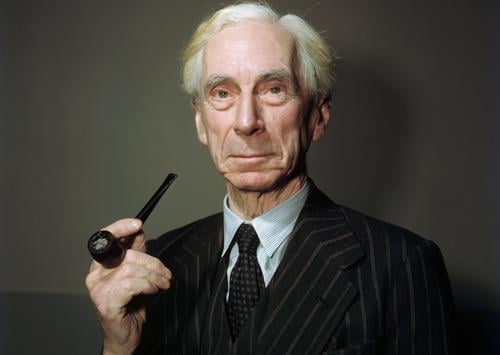
Studs Terkel discusses and presents a memoir of British philosopher, logician, mathematician, historian, writer, social critic, political activist and Nobel laureate Lord Bertrand Russell
Feb. 3, 1970 Studs talks of British philosopher, logician, mathematician, historian, writer, social critic, political activist and Nobel laureate Lord Bertrand Russell, and presents a recorded discussion with Lord Russell from December of 1961. Lord Russell speaks of a strong stance on nuclear disarmament, and the current climate of politics, science and society.
-
Studs Terkel discusses and comments the musical "The Cradle Will Rock"
Jan. 28, 1992 Studs Terkel presents The Cradle Will Rock, a 1937 musical play. Includes interview with Marc Blitzstein and Hiram Sherman talking about the challenges of presenting for the first time.
-
Studs Terkel discusses adults with young adults
1966 Discussing adults with young people. Subjects are: Ed Bocsel, age 16 Becky Milton, age 24 Chick Marmor, age 19 Stacy Goings, age 22 Danny Paul Yates, age 17 Paul Me, age 19 Jerry J., age 20 Lucky Miller, age 19 Lily, age 16 Topics include: Relationships with adults and family members, social alienation, religion, the Vietnam War, and the rise of corporate America overtaking local businesses.