

-

Technology
Studs Terkel played the role of the gleeful Luddite, never learning to drive a car, operate a computer or even reliably run a tape recorder despite many decades of radio and oral history making.
-
Television
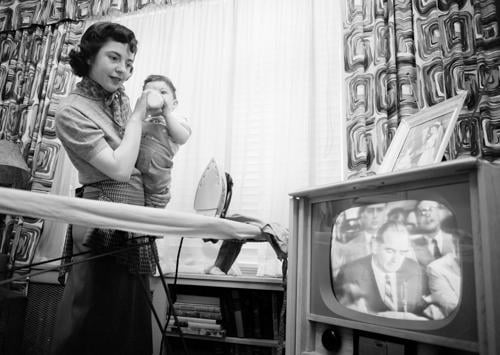
While radio was Studs Terkel’s main media home, he himself spent time on the small screen as a star of one of the milestone programs of the short-lived Chicago School of Television, Studs Place.
-
Theology, Religion, Religious Organizations
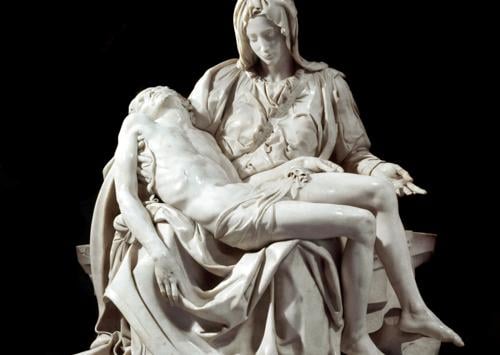
Terkel’s radio show took religious belief and the spiritual dimension of life seriously (despite he himself being a non-believer) and he spoke with numerous religious leaders and questers from a wide variety of faiths and cultures.
-

Travel & Culture - Denmark
On a journey to Denmark, Studs Terkel was intrigued to try to understand what made the Scandinavian social model different from the United States.
-

Travel & Culture - France
During excursions to Paris and elsewhere in France, Terkel made field recordings during lively visits to leading intellectual and cultural figures.
-
Travel & Culture - General
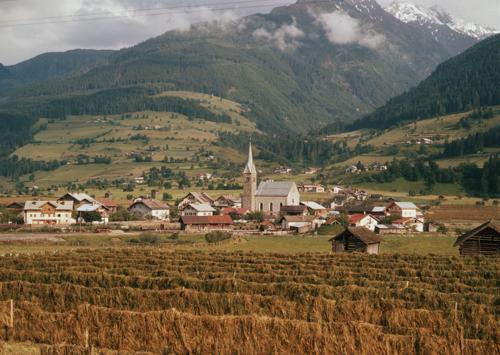
In addition to extended trips to China, France, Germany, Great Britain, Italy, Russia, Scandinavia and South Africa, the archive contains conversations about parts of the world.
-

Travel & Culture - Germany
Terkel devoted many programs to trying to understand the role of Germany in the 20th century and made a fascinating tour of the country in 1968.
-

Travel & Culture - South Africa
Studs Terkel was deeply interested in South Africa and he made a pivotal trip there in 1963 during which he witnessed the tragedy of Apartheid first-hand talking with key figures in the resistance.
-

Urban Life
Terkel’s radio program celebrated the poetry of urban life and was also unblinking in examining the social ills of great cities.
-

World History & Politics
Recorded almost entirely in an era before the internet existed as a tool for potentially exploring global media, Terkel’s radio show (1952-1997) was designed to help listeners go beyond an America-centric understanding of the world.