

-
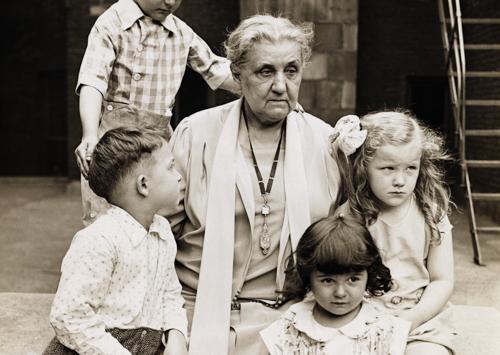
Jessie Binford discusses Chicago and Hull House
1968 Jessie Binford discusses Hull House and Chicago.
-
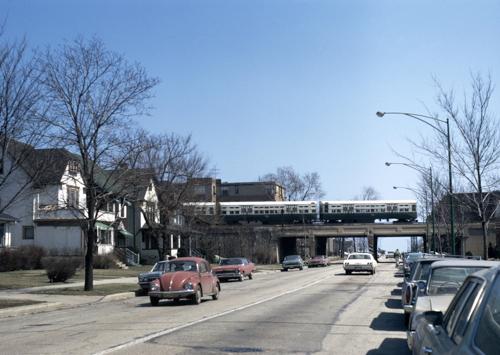
Dick Simpson discussing federal aid to local governments
Jul. 6, 1981 Discussing Reaganomics and federal economic assistance to local government and interviewing Dick Simpson.
-

-
Douglas Turner Ward discusses the play “The River Niger”
Dec. 4, 1973 Theater director Douglas Turner Ward talks with Studs Terkel about the play "The River Niger." Further discussion is had about the play's writer, Joseph Walker, as well as the story and characters, and the play's connection to the African-American community.
-
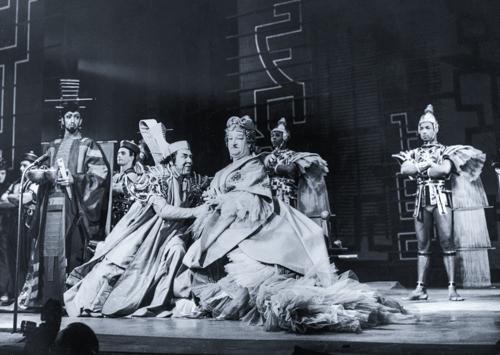
Interview with Ian Wallace
Nov. 16, 1962 British baritone Ian Wallace discusses the Glyndebourne Festival Opera. Recorded while Studs was in England.
-
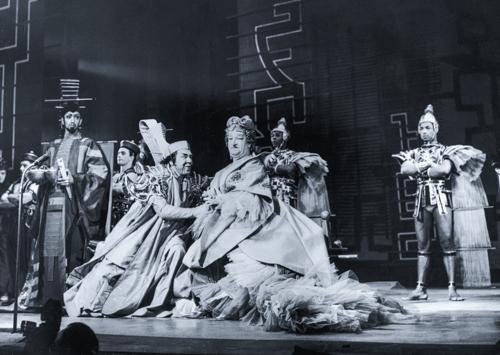
Interview with Ian Wallace
Nov. 16, 1962 British baritone Ian Wallace discusses Glyndebourne Festival Opera. Recorded while Studs was in England.
-
Three Vietman War veterans, Robert Black, Robert Johnson, Dr. Gordon Livingston, and Steve Perriman discuss the war, part 2
Nov. 13, 1973 Robert Black, Robert Johnson, Dr. Gordon Livingston, and Steve Perriman talk about the Vietnam War. All three are officers in the military and veterans of the Vietnam War. They discuss their lives before and after the war and the contradiction and changes that came after seeing the horrors of the Vietnam War.
-
Designer and instructor John E. Walley discusses design work
Apr. 22, 1959 Institute of Design instructor John E. Walley discusses teaching techniques and design trends.
-
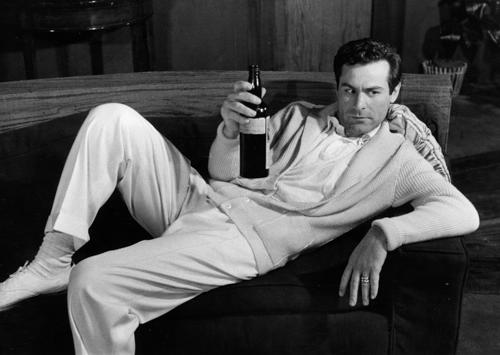
Sam Wanamaker discusses the theater ; part 1
Dec. 4, 1964 Sam Wanamaker talks about the curtain of a stage being a barrier between the set and the audience. Wanaker says that with theater today, there are more theaters in the round and more thrusts of ramps built into the audience, so that the audience can feel they are a part of the production of the play.
-
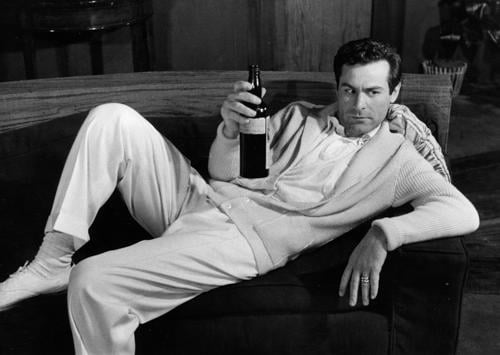
Sam Wanamaker discusses theater ; part 2
Dec. 4, 1964 Sam Wanamaker continues his discussion about the theater, with an emphasis on lights and music. With his production of "Macbeth," Wanamaker didn't want three-dimensional witches. Instead, he used lighting to convey their presence. In addition, similar to the line from Macbeth, Wanamaker was able to show the witches disappearing and melting into the air.