

-

Richard and Patricia Waterman talk with Studs Terkel ; part 1
1953 Terkel interviews anthropologists Richard and Patricia Waterman. This interview is done in two parts.
-
-
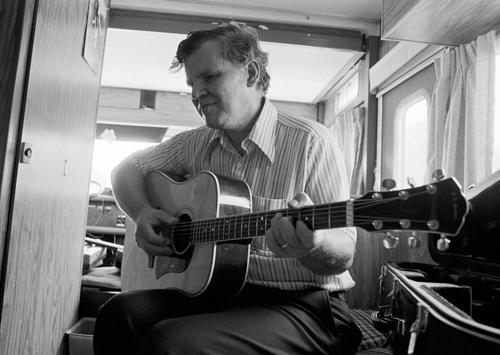
Studs Terkel discusses folk music with Doc Watson
Feb. 20, 1969 Studs Terkel interviews and discusses the history and cultural significance of folk music with Doc Watson. Topics include Watson's personal history and biography, the origins of some of the songs he sings, sacred music.
-
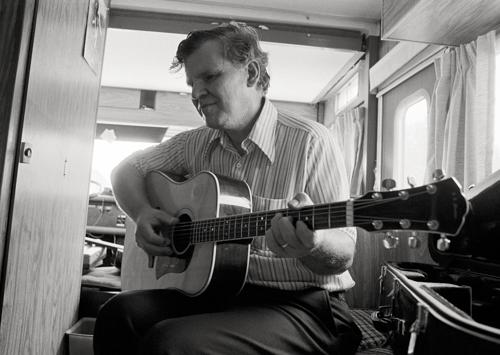
Studs Terkel interviews Doc Watson about his music career
Dec. 10, 1971 Studs Terkel interviews Doc Watson about his music career. The interview includes recordings and live sections of different songs that have shaped his career.
-
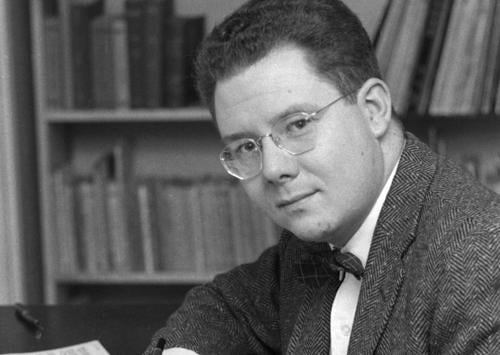
Easley Blackwood, Midwestern composer, pianist and educator at University of Chicago, discusses his music
Mar. 1, 1961 Studs and Mr. Blackwood discuss his musical theory of tonal composition, and Mr. Blackwood plays several excerpts of his piece "Chamber Work for Fourteen Winds" on the piano.
-
Alan Watts discusses and reads from his book "In My Own Way"
1970 In Alan Watts' autobiography, "In My Own Way," he explains that the song "Onward Christian Soldier" is militant, and of a militant religion, whereas Zen Buddhism is not militant at all. Watts also says that most of the troubles that go in the world are created by people that take life too seriously.
-
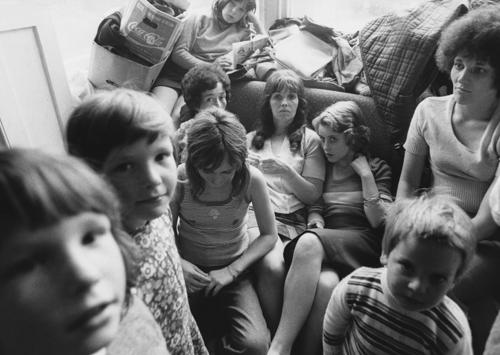
Candace Wayne talks about domestic violence
Jan. 12, 1979 Candace Wayne talks about domestic violence and the legal process in the field and her role as an attorney-at-law at the Battered Women's Center in Chicago.
-
John D. Weaver discusses his book "The Brownsville Raid"
Apr. 6, 1971 Events not recorded in history books is what prompted John D. Weaver to write "The Brownsville Raid: The Story of America's Black Dreyfus Affair". Weaver had heard the story of Black Army soldiers causing a raucous, when they were actually set up. Without even being granted a trial, President Theodore Roosevelt, dismissed those soldiers from the United States Army, Weaver explained.
-
Margaret Webster discusses Shakespeare and his plays
Apr. 21, 1961 American-British actress Margaret Webster, talks about the unsophisticated audience members that go to see plays by Shakespeare. Upon seeing a play, they're afraid to go at first but once they are there, they realize how much they are truly enjoying themselves.
-
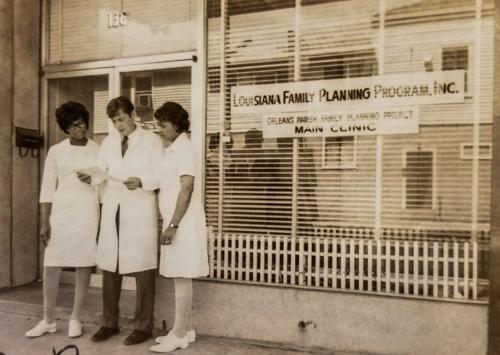
Dr. Aviva Weissman discusses Planned Parenthood and the use of contraception
Mar. 24, 1966 Dr. Aviva Weissman discusses the emergence of family planning services in England and the importance of women having access to contraception and other services. Weissman discusses her experience with families who have benefitted from the services of Planned Parenthood.