

-

Interviewing author and journalist John Howard Griffin
Jan. 1, 1960 A wide-ranging discussion of musical theory, sound therapy, and Gregorian chants.*Please note: some sections have been edited out from the original recording due to copyright considerations
-
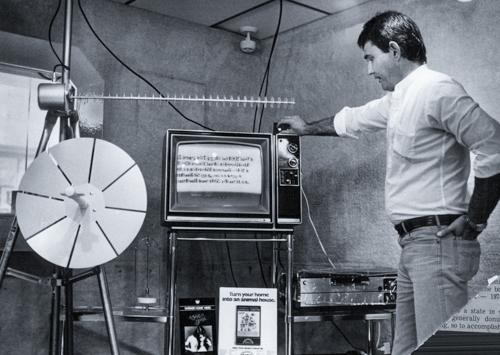
Studs Terkel discusses commercial and public broadcasting Nicholas Johnson of the FCC
Apr. 1, 1971 Studs Terkel discusses television and advertising with Nicholas Johnson, Commissioner at the Federal Communications Commission. Johnson had recently delivered a speech in Dubuque, IA about possibilities for the future of broadcasting, and had released a book a year prior, "How to Talk Back to Your Television Set". Topics of conversation include censorship, the role of advertising and corporate sponsorship of radio and television, and the hope and promise of public television.
-
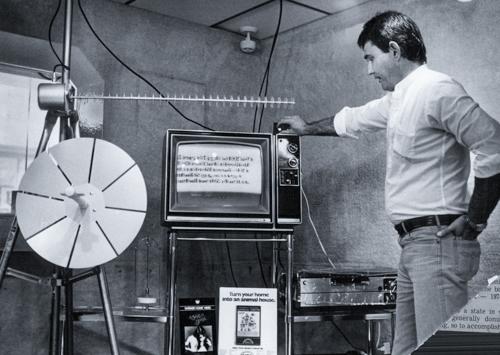
Nicholas Johnson talks about communication and its impact
Jan. 16, 1981 Interviewing Nicholas Johnson, a former member of FCC in which discusses communication, advanced technology, the role of the public, censorship and control of information
-
-
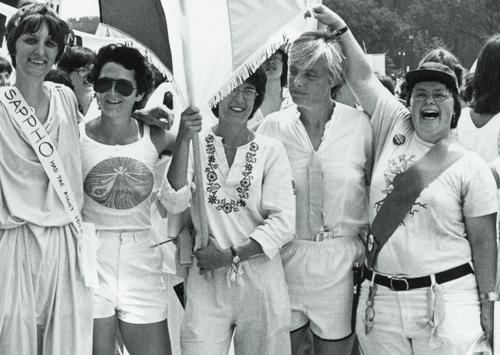
Jill Johnston discusses her book "Lesbian Nation: The Feminist Solution"
Jun. 29, 1973 Jill Johnston speaks about her book 'Lesbian Nation: The Feminist Solution', published in 1973. Johnston describes her political definition of lesbianism as self-commitment, and how her writings fits into the feminism on the whole.
-

Cleve Jones talks about the NAMES Project Foundation and AIDS quilt
Sep. 7, 1988 Cleve Jones talks about the AIDS quilt (NAMES project) that he started, the politics surrounding treating AIDS, and the compassionate feelings that the quilt engenders (compared to American barn raisings). There is a postscript with Mike Savage from Dignity Chicago, a lesbian and gay Catholic organization.
-
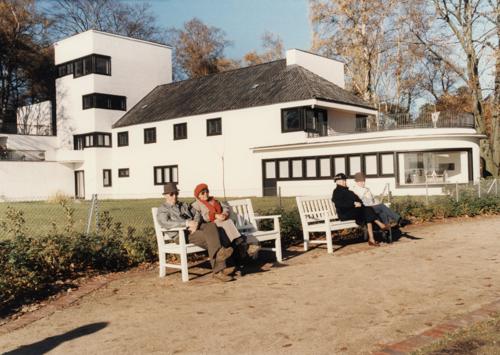
Cranston Jones talks about his book, "Architecture Today and Tomorrow" ; part 2
1961 Cranston Jones discusses the idea of architecture as art, historic architecture ideals, and the future of architecture.
-
Sidney Lens discusses his book "The Labor Wars"
Jun. 22, 1973 Unions, strikes, the eight-hour work day, and better pay are all topics from Sidney Lens' book, "The Labor Wars: From the Molly Maguires to the Sitdowns". This recording also includes an excerpt of an interview from the Flint sitdown in 1937 with a worker named Bob Stinson.*Please note: some sections have been edited out from the original recording due to copyright considerations
-
Sharon R. Curtin discusses the book "Nobody Ever Died of Old Age"
Jun. 7, 1973 In order to write her book, "Nobody Ever Died of Old Age", Sharon R. Curtin went undercover and pretended to be interested in nursing homes in order to visit the facilities. Curtin's book also offers praise for older people and outrage for their loneliness.*Please note: some sections have been edited out from the original recording due to copyright considerations
-
Josephine Winslow Johnson reads from and discusses her book "The Inland Island"
1970 The beauty of nature and all it has to offer is the main topic of Josephine Winslow Johnson's book, 'The Inland Island: A Year in Nature."*Please note: some sections have been edited out from the original recording due to copyright considerations