Listen to New Voices on Studs Terkel our partnership with 826CHI-here! Read the Story


Showing 11 - 20 of 20 results
-

-
Interview with North Carolina labor organizers
1960 Discussing "The Story of 77" with Oliver Harvey, Mary Ellen Kent, Lucy Bug and Pete Brandon.
-
Discussing civil liberties in Chile
Sep. 1, 1978 Discussing civil liberties in Chile with Isabel Letelier and Michael Moffitt, the authors of a report for the Institute for Policy Studies: "Human Rights, Economic Aid, and Private Banks: The Case of Chile."
-
John Bernard discusses his life, politics and his work with the Farmer Labor Party
Aug. 1, 1977 Interviewing labor organizer, civil rights activist, and former Congressman John Bernard. Bernard was elected as a Farmer-Labor candidate to the U.S. House of Representatives and served from 1937-1939.
-
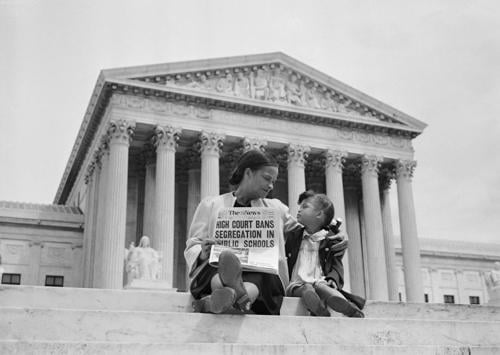
Ira B. Harkey discusses the south, civil rights, race relations, racism, his newspaper, and his career ; part 1
1966 Ira B. Harkey discusses the south, civil rights, race relations, racism, his newspaper, and his career. Includes Ira Harkey reading his writing from his newspaper the Mississippi "Chronicle-Star."
-
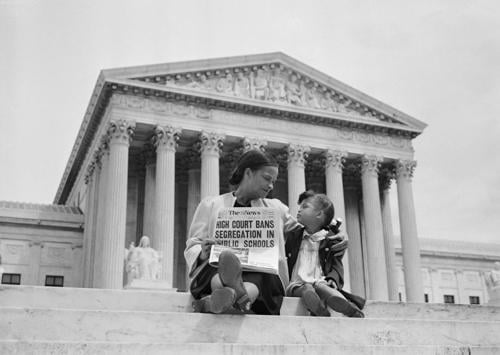
Ira B. Harkey discusses the south, civil rights, race relations, racism, his newspaper, and his career ; part 2
1966 Ira B. Harkey discusses the south, civil rights, race relations, racism, his newspaper, and his career. Includes Ira Harkey reading from his newspaper the Mississippi "Chronicle-Star".
-
Mike Royko discusses some of his journalist stories ; part 1
Jul. 29, 1966 Mike Royko, a long-time journalist in Chicago, discusses some of his most popular columns. Topics include Cook County Hospital's lack of air conditioning in surgery rooms, the future of workers, and the Civil Right's Movement. The responsiblities of journalists and the effect of newspapers are also discussed.
-
Discussing the book "The harder we run" with the author William Harris
Jan. 21, 1982 Discussing the book "The harder we run" with the author William Harris.
-
Former President Jimmy Carter and Rosalynn Carter discuss their book "Everything To Gain"
Jun. 5, 1987 From the book, “Everything to Gain: Making the Most of the Rest of Your Life”, in a country with such great wealth, to see so many (people) without a place to live is devastating, according to Rosalynn Carter, and President Jimmy Carter said it was embarrassing. Their backgrounds, their time in the White House, the homeless and Habitat for Humanity are some of the topics covered in the Carters’ book. At the time when the Carters started to write this book, they had been married for 40 years. Mr. Carter revealed that writing this book together was the worst experience they shared.
-
Dave Dellinger discusses his book, "More Power Than We Know: The People's Movement Toward Democracy"
Jun. 27, 1975 Dave Dellinger, activist, discusses his book, "More Power Than We Know: The People's Movement Toward Democracy." Dillinger describes his thoughts and past experiences with non-violent protesting. He recalls his experiences with the police during Vietnam War protests and the Trialrial of the Chicago . He also discusses Dr. Martin Luther King Jr. and other well-known protesters.