Listen to New Voices on Studs Terkel our partnership with 826CHI-here! Read the Story


Showing 51 - 60 of 83 results
-
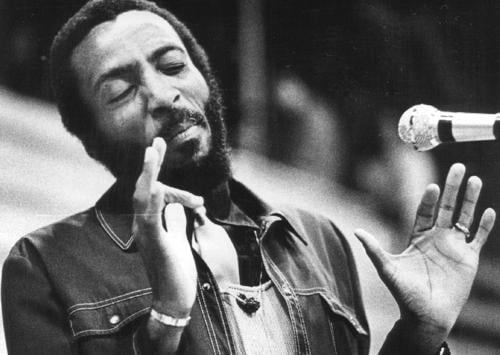
Dick Gregory discusses his career
May. 14, 1970 Lillian Smith excerpt opens the program.
-
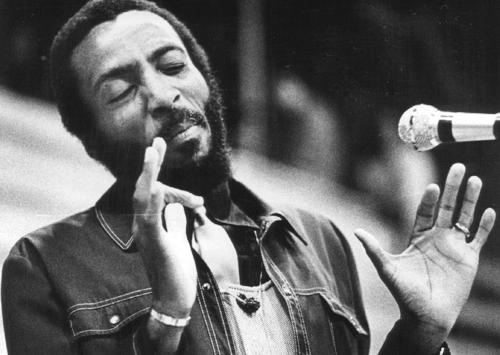
Dick Gregory discusses his book "Dick Gregory's Natural Diet for Folks Who Eat: Cookin' With Mother Nature"
May. 30, 1973 Comedian and activist Dick Gregory joins Studs Terkel to discuss his new book “Dick Gregory's Natural Diet for Folks Who Eat: Cookin' With Mother Nature.” Gregory talks about his experiences fasting for both political and health reasons, and he comments on hunger in America, the power of the navy bean, and changing trends in eating. The two discuss the peace movement and Watergate, and Gregory shares his experience as a black man in the military. Gregory believes that how you treat yourself and your body reflects how you treat others.
-
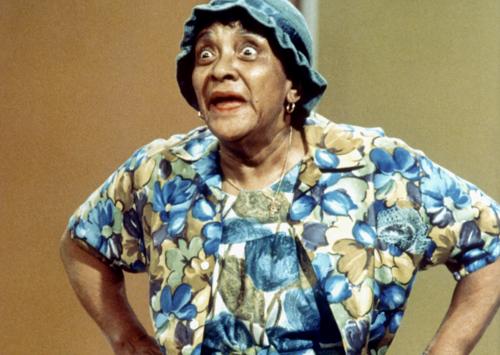
Jackie "Moms" Mabley talks about her life and career as a comedian ; part 1
Jun. 13, 1961 Jackie "Moms" Mabley talks about her life and career as a comedian. She speaks fondly of her hometown and of her childhood and family. Copyrighted material has been removed from this program.
-
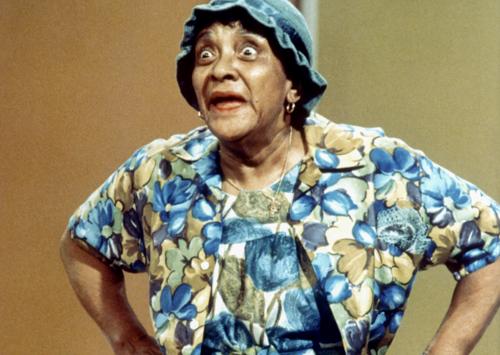
Jackie "Moms" Mabley talks about her life and career as a comedian ; part 2
Jun. 13, 1961 Jackie "Moms" Mabley talks about her life and career as a comedian. She speaks about how comedy/humor has changed and how some have become thieves of material. Copyrighted material has been removed from this program.
-
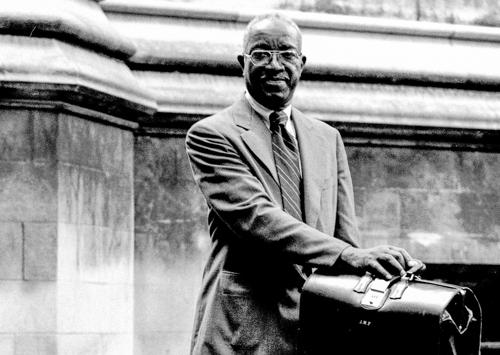
Dr. John Hope Franklin discusses the history of Civil War Reconstruction; part 1
1966 Dr. John Hope Franklin, professor of history at University of Chicago, outlines the history of reconstruction during the American Civil War and briefly his experience at the March to Montgomery; part 1.
-
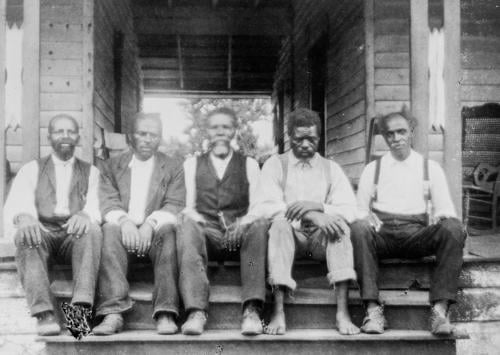
Dr. John Hope Franklin discusses reconstruction after the American Civil War; part 2
1966 Dr. John Hope Franklin, professor of history at University of Chicago, discusses the political history of reconstruction after the Civil War, along with which political decisions led to a power imbalance and the rise of the Ku Klux Klan in the southern states; part 2.
-
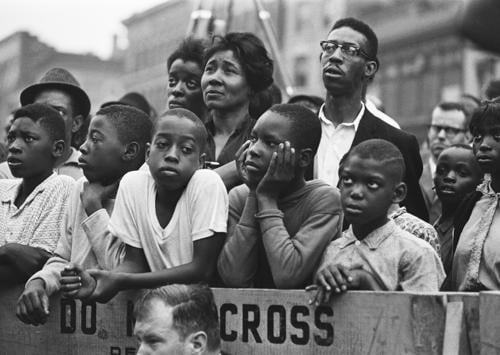
Studs Terkel interviews Professor Charles V. Hamilton on his book written with Stokely Carmichael entitled "Black Power: Politics of Liberation in America" ; part 1
Nov. 21, 1967 Using the backdrop of James Baldwin's "Nobody Knows My Name" and Baldwin's feelings that Blacks were ashamed of where they came from, Terkel interviews Professor and Chairman of the Political Science Department of Roosevelt University on his book coauthored with Stokely Carmichael entitled" Black Power: Politics of Liberation in America". Hamilton states that Blacks were taught to hate themselves and leave school believing that. Institutional racism and the deliberate oppression it creates, holds blacks back. Blacks are left out of crucial decision making processes that concern them.
-
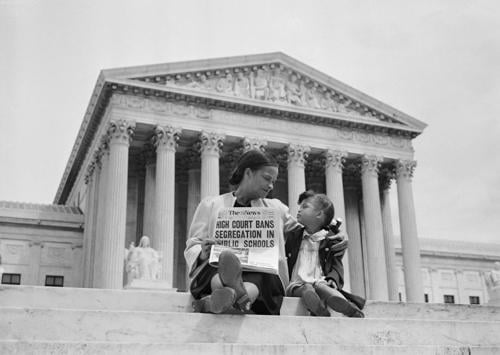
Ira B. Harkey discusses the south, civil rights, race relations, racism, his newspaper, and his career ; part 1
1966 Ira B. Harkey discusses the south, civil rights, race relations, racism, his newspaper, and his career. Includes Ira Harkey reading his writing from his newspaper the Mississippi "Chronicle-Star."
-

-