Listen to New Voices on Studs Terkel our partnership with 826CHI-here! Read the Story


Showing 11 - 18 of 18 results
-

-
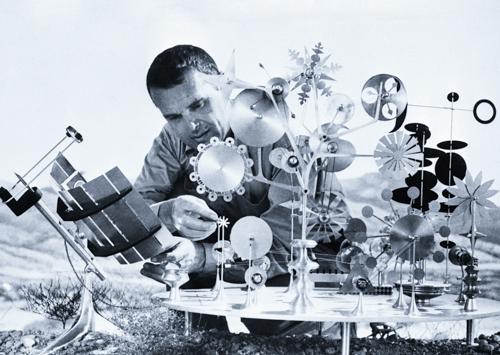
Charles Eames discusses his life of travel and his study of design and architecture, part 1
Oct. 1, 1965 Charles Eames, an architect, designer, artist, filmmaker and student of human nature, talks with Studs about his years of travel in India and Europe. He discusses studying architecture and working as an architect and the nature of his film making. (Part 1 of 2)
-
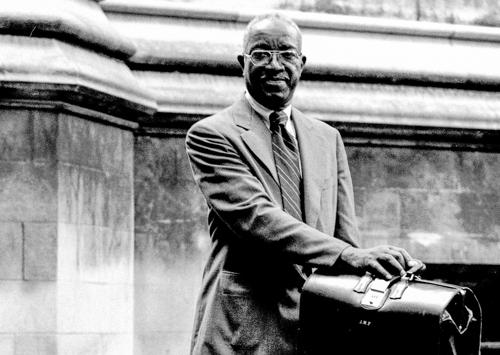
Dr. John Hope Franklin discusses the history of Civil War Reconstruction; part 1
1966 Dr. John Hope Franklin, professor of history at University of Chicago, outlines the history of reconstruction during the American Civil War and briefly his experience at the March to Montgomery; part 1.
-
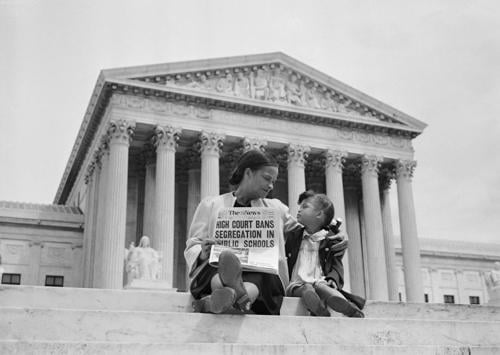
Ira B. Harkey discusses the south, civil rights, race relations, racism, his newspaper, and his career ; part 1
1966 Ira B. Harkey discusses the south, civil rights, race relations, racism, his newspaper, and his career. Includes Ira Harkey reading his writing from his newspaper the Mississippi "Chronicle-Star."
-
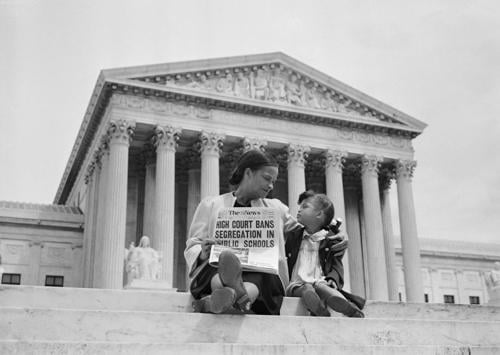
Ira B. Harkey discusses the south, civil rights, race relations, racism, his newspaper, and his career ; part 2
1966 Ira B. Harkey discusses the south, civil rights, race relations, racism, his newspaper, and his career. Includes Ira Harkey reading from his newspaper the Mississippi "Chronicle-Star".
-
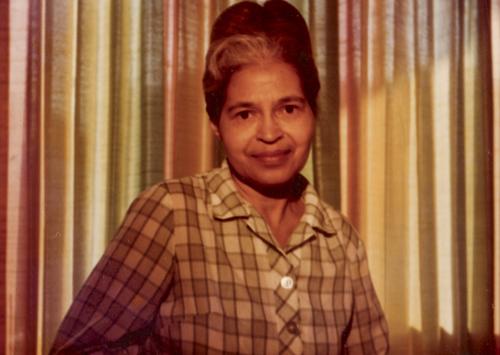
Rosa Parks and Myles Horton discuss the Highlander Folk School, the Montgomery Bus Boycott, and the American Civil Rights Movement
Jun. 8, 1973 Rosa Parks and Myles Horton discuss the importance of the Highlander Folk School, the Montgomery Bus Boycott, and the American Civil Rights Movement. The story of these two prominent figures of the Civil Rights Movement have intervened in their fight for social equality. Includes a fragment of an interview with E. D. Nixon well known civil rights leader.
-
Russell Barrett discusses his book, "Integration at Ole Miss"
Mar. 9, 1965 Political science professor and author Russell Barrett discusses and reads excerpts from his book, “Integration at Ole Miss.” He examines the legal challenges, apathy, and aggression that contributed to the build up of racial tensions leading to the enrollment of the University of Mississippi’s first black student — James Meredith — and the resulting riots and violence. Includes a recording of the Chad Mitchell Trio singing "Alma Mater (About Ole Miss)."*Please note: some sections have been edited out from the original recording due to copyright considerations
-
Richard "Skip" Richeimer discusses the Free Speech Movement
1964 Discussing UC Berkeley's Free Speech Movement with Richard "Skip" Richeimer. There is no free speech at UC Berkeley and the university is no longer concerned with the students and the faculty on this matter. Richeimer says the main problem is whether the administration of the university has the right to control the content of speech.