Listen to New Voices on Studs Terkel our partnership with 826CHI-here! Read the Story


Showing 31 - 40 of 120 results
-

Dr. Joseph Burkhalter and Dr. Charles Price talk with Studs about Pharmaceutical Chemistry ; part 2
1964 Studs has a conversation with Dr. Charles Price, American Chemical Society president and chairman of chemistry department at University of Pennsylvania and Dr. Joseph Burkhalter, Professor of pharmaceutical chemistry at University of Michigan, and chairman of American Chemical Society's division of medicinal chemistry. Dr. Price And Dr. Burkhardter discuss the drug industry and working with the government to develop pharmaceutical medicines. Both doctors voice the debate about creation of nuclear technology and how that impacted science in general.
-
Francis S. Chase discusses education, art, and science ; part 1
Dec. 30, 1964 Francis S. Chase discusses education, art, and science. Chase also discusses creativity, human behavior, and technology among other topics. Includes a clip of an interview with Dr. Jay Bernofsky.
-
Francis S. Chase discusses education, art, and science ; part 2
Dec. 30, 1964 Francis S. Chase discusses education, art, and science. Chase also discusses creativity, human behavior, and technology among other topics.
-
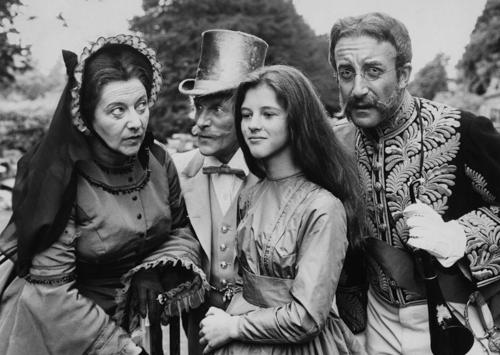
Studs Terkel discusses childhood, imaginiation, science, social history, politics, medicine and theater with Jonathan Miller in London, England
Jonathan Miller reminisces about his childhood in Regent Park, London and offers his opinion on philosophy and the changing English class structure with the loss of the Indian empire. His remake of "Alice in Wonderland" for BBC 1 is reviewed and he states he is most interested in the human imagination.
-
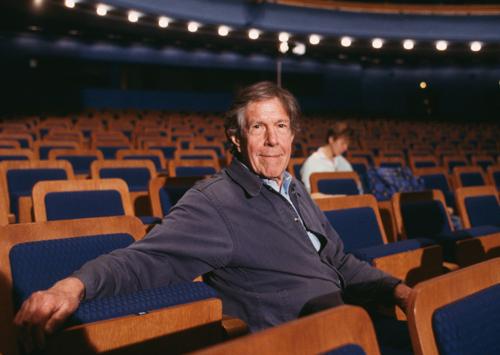
John Cage discusses his music, life, influences, and career
Aug. 13, 1992 John Cage discusses his music, life, influences, and career. Rebroadcast of an interview with John Cage to celebrate his life and what would have been soon his 80th birthday. Includes a clip of John Cage reading/ telling a story in 1969 to Studs Terkel.
-
-
-
Dr. Helen Caldicott discusses the ill-effects of a nuclear bomb going off
Apr. 7, 1981 The world spends 600 billon dollars on the arms race, which is rather puzzling to Dr. Helen Caldicott when 2/3 of the world's children are starving. Caldicott explained if a bomb went off in Chicago, there'd be a crater a half a mile wide and 300 feet deep. In addition, 90% of the people will be dead, some from being vaporized.
-
Dr. Charles Clements discusses his book "Witness to War"
Apr. 29, 1985 After having flown 50 missions in Vietnam, Charles Clements went to medical school and became a physician and a human rights activist. Dr. Clements talks about his observations in the poorest sections of Nicaragua. Because medicine for the poor people was considered contraband, Clements had to resort to putting rusty nails into a cup of water and having his patients drink the water for iron supplements. Clements reminds the audience if we don't know our history, we are bound to repeat it.
-
Interview with Dr. Charles Clements and Asa Baber
May. 20, 1986 Interviewing Vietnam veterans and peace activists Dr. Charles Clements and Asa Baber.