Listen to New Voices on Studs Terkel our partnership with 826CHI-here! Read the Story


Showing 11 - 20 of 57 results
-

John Bremer discusses educational innovation, "The School Without Walls: Philadelphia's Parkway Program"
Jan. 25, 1971 John Bremer discusses theories of educational innovation. Specifically his innovation of "The School Without Walls: Philadelphia's Parkway Program". Discusses life as education, and the societal element in open plan education.
-
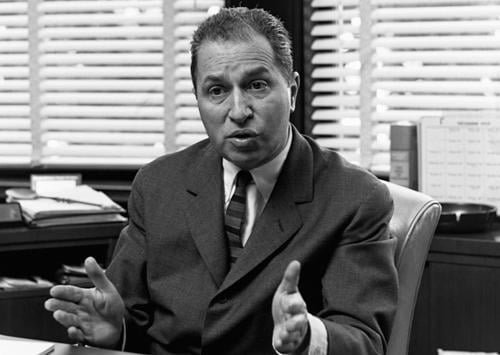
Interview with Mortimer Adler
Jun. 18, 1993 Discussing the book "A Second Look In the Rear-View Mirror: Further Autobiographical Reflections of a Philosopher at Large" (published by Macmillan) with the author Mortimer Adler. Program includes an excerpt of a September 21, 1959 interview with Robert Hutchins.
-
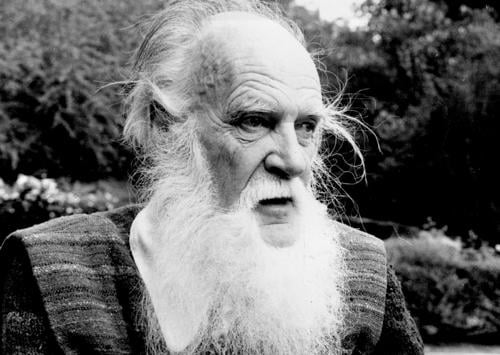
Lanza Del Vasto discusses his book "Return to the Source"
1970 Philosopher and nonviolent activist Lanza Del Vasto discusses his work as a nonviolent activist and his book "Return to the Source." Terkel refers to del Vasto as "Shantidas" occasionally during the interview.
-
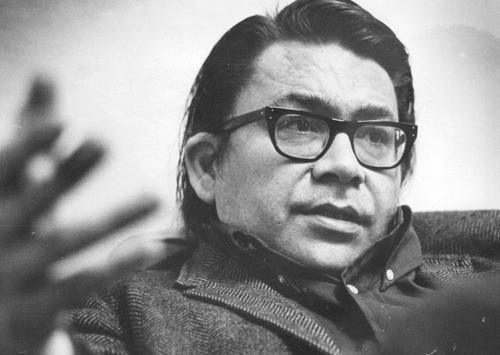
Vine Deloria discusses his book "The Metaphysics of Modern Existence"
Oct. 12, 1979 Vine Deloria discusses his book "The Metaphysics of Modern Existence", religion, ethics, Native Americans, Native American culture, and Native American history. Includes a previous interview with Vine Deloria at O'Hare Airport.
-
Discussing Montessori and Steiner Waldorf schooling with Hans A. Schieser and Theo Buergin
Apr. 3, 1981 Discussing education and alternative schools with Theo Buergin and Hans A. Schieser. They discuss educators, philosophers, and psychologists such as Rudolf Steiner, Maria Montessori, and Jean Piaget.
-
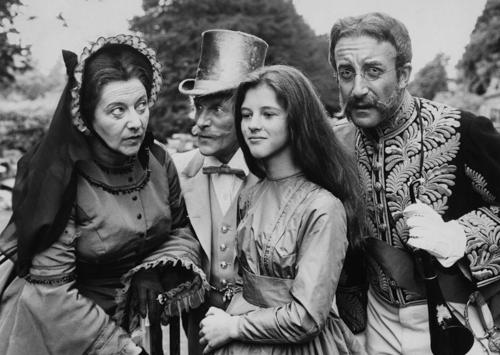
Studs Terkel discusses childhood, imaginiation, science, social history, politics, medicine and theater with Jonathan Miller in London, England
Jonathan Miller reminisces about his childhood in Regent Park, London and offers his opinion on philosophy and the changing English class structure with the loss of the Indian empire. His remake of "Alice in Wonderland" for BBC 1 is reviewed and he states he is most interested in the human imagination.
-
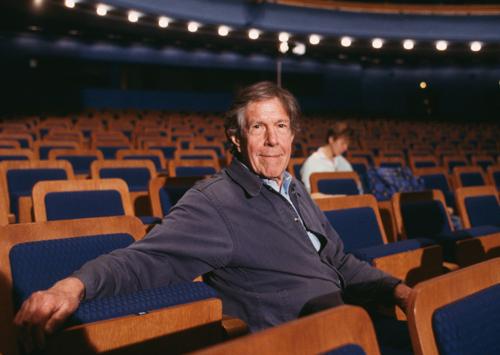
John Cage discusses his music, life, influences, and career
Aug. 13, 1992 John Cage discusses his music, life, influences, and career. Rebroadcast of an interview with John Cage to celebrate his life and what would have been soon his 80th birthday. Includes a clip of John Cage reading/ telling a story in 1969 to Studs Terkel.
-
-
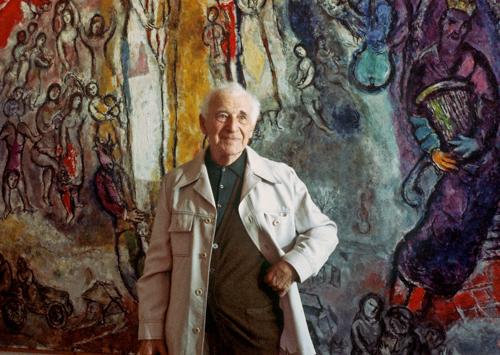
Through an interpreter, Marc Chagall discusses his approach to art and his views on people
1970 Professor John Nef explained that Marc Chagall came from an environment of nothing. From his dreams, Chagall created joy in his pieces of art. Nef lets the audience know that Chagall said he still has a lot of unfinished artwork to complete. The 3rd and last part of this program is a colloquy. Again, through another translator, Chagall’s words are translated. Chagall said his life’s purpose is art. Chagall said any man could be a bad artist but that no man can be an artist unless he is in fact, a good man.
-
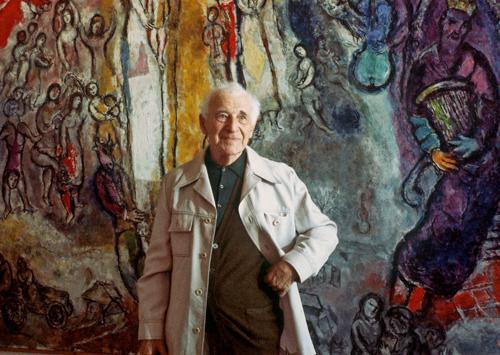
Representatives discuss the Center for Human Understanding ; part 2
May. 5, 1963 Representatives discuss the Center for Human Understanding (part 2 of 2). Center for Human Understanding conference in Washington D.C. Includes interview with [Raghav Heer]. Interviews [Chaumont Hosie]. Note: lengthy interviews in French (translated).