Listen to New Voices on Studs Terkel our partnership with 826CHI-here! Read the Story


Showing 1 - 10 of 45 results
-

Studs Terkel interviews author-dramatist Frank Norman at his Bloomsbury Square Hotel ; part 1
1968 Terkel delves into the life of Frank Norman, a London ex-con who turned his life around and became a novelist and playwright by writing on his experiences. He wrote "Bang to Rights" shortly after his prison release which brought him great fame. He followed that with "The Monkey Pulled it's Hair" that had a U.S. release under the name "Don't Darling Me Darling". Norman opened up to Terkel discussing his illegitimacy, his illiteracy till age 14, his institutionalization in an orphanage which he turned into the novel "Banana Boy".
-
-
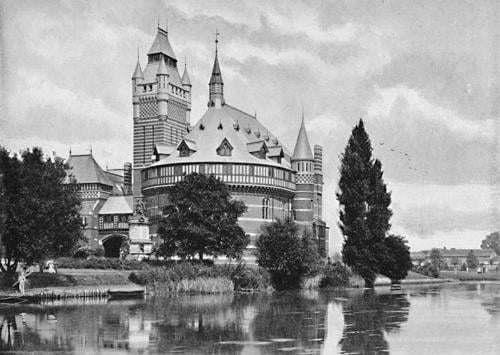
Studs Terkel in Stratford-Upon-Avon. At the National Theatre and at the Falcon Hotel ; part 1
1962 Studs Terkel heads to the British town of Stratford-upon-Avon (the birthplace of William Shakespeare) intending to interview Sir John Gielgud, and getting a few words before Studs realizes that Sir John is not intending to be interviewed. He speaks instead to other members of the company. Then he meets Mr. and Mrs. Lawrence in the Falcon Hotel.
-
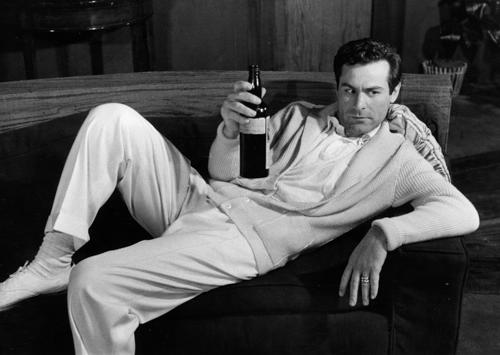
Sam Wanamaker discusses the theater ; part 1
Dec. 4, 1964 Sam Wanamaker talks about the curtain of a stage being a barrier between the set and the audience. Wanaker says that with theater today, there are more theaters in the round and more thrusts of ramps built into the audience, so that the audience can feel they are a part of the production of the play.
-
Actor Victor Spinetti talks with Studs Terkel about "Oh, What A Lovely War!" ; part 1
1962 English actor, director and writer Victor Spinelli discusses several aspects of Joan Littlewood's production of "Oh, What A Lovely War!", including the origin of the songs, slides and quotations used in the musical. The two also discuss the World War War I, blind patriotism and what an Italian drill sergeant might sound like. Includes as a reading of "Watchers Along the Mall" by Spinetti.
-
Actor Victor Spinetti talks with Studs Terkel about "Oh, What A Lovely War!" ; part 2
1962 Part Two of this engrossing interview sees Spinetti elaborate on characters from Joan Littlewood's production of "Oh, What A Lovely War!" in England. Includes a reading of "The English Seaside in High Summer" and an a capella performance of the musical's Act I closer, "Good-bye-ee!", both by Spinetti.
-
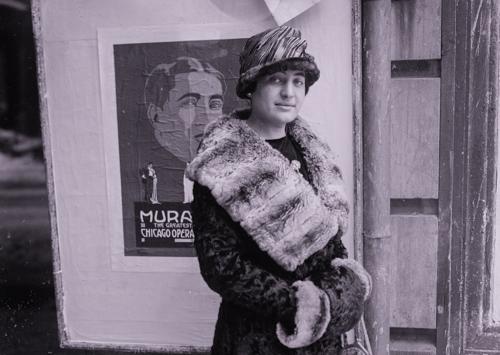
Rosa Raisa reflects on her career and her time in Chicago
Nov. 6, 1959 Renowned soprano, Madame Rosa Raisa discusses her career, early training, Chicago debuts, travels, teaching, and hobbies post opera.
-
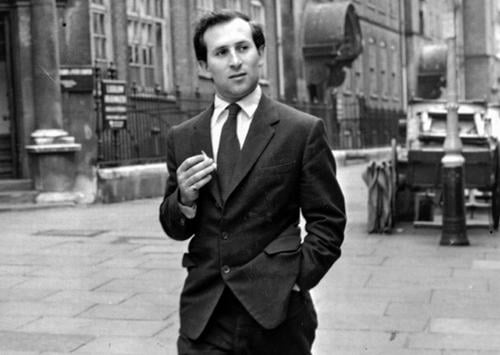
Arnold Wesker talks with Studs Terkel ; part 1
1962 Terkel Talks with known English Dramatist Sir Arnold Wesker (part 1) about the economy of England. The talk begins with the subject of apprenticeship. This is a two part interview.
-
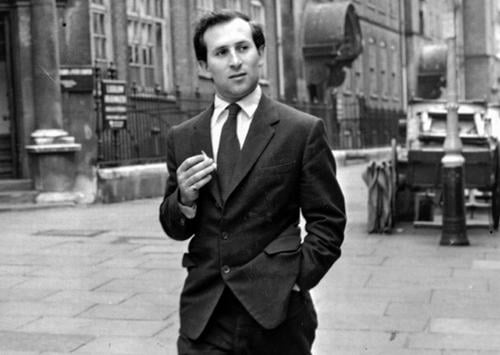
Arnold Wesker talks with Studs Terkel ; part 2
1962 Terkel Talks with known English Dramatist Sir Arnold Wesker (part 2) about the economy of England. The talk begins with the subject of apprentices and when students began their apprenticeship (usually at the age of 15). This is a two part interview
-
The very "U" girl talks with Studs Terkel ; part 2
1962 Interviewing with the very "u" girl at the establishment (Part 2) while Studs was in England.